

Why Sports & Leisure Venues Need a Smarter Water Strategy

From international tennis tournaments to major race weekends, sports and leisure venues face a unique challenge when it comes to water usage.
For much of the year, demand may remain relatively stable and manageable. Then suddenly, during a major event, water consumption can surge dramatically due to:
- Thousands of visitors using toilets and washroom facilities.
- Hospitality and catering operations.
- Ground irrigation and turf management.
- Temporary event infrastructure.
- Cleaning and maintenance requirements.
- Increased wastewater and drainage demands.
For venues such as racing circuits, exhibition grounds, stadiums, and outdoor event spaces, these short but intense spikes in demand can create significant cost pressures if not managed correctly.
The Problem with “One-Size-Fits-All” Water Contracts
Many venues end up paying for water services based on their peak demand profile year-round — even if those peaks only occur during a handful of events annually.
This can lead to:
- Higher standing charges.
- Oversized supply agreements.
- Inefficient wastewater tariffs.
- Poor visibility of event-driven consumption.
- Limited flexibility when demand changes seasonally.
A venue that hosts two or three major events each year should not necessarily be paying as though those demand levels occur every week.
That’s where a strategic water management approach becomes essential.
Why Contract Structure Matters For Sports & Leisure Organisations
One of the biggest opportunities for sports and leisure venues is ensuring they are on the right type of water contract for their operational model.
Many venues are still tied into arrangements that were designed around historic demand levels or standard commercial usage assumptions. For businesses with highly seasonal or event-led consumption, this can result in unnecessary costs throughout the year.
At Wodr, contract reviews form a key part of developing a smarter water strategy.
Flexible Contracts
For venues with significant fluctuations in attendance and usage, flexible contract structures can provide better cost alignment.
This may include:
- Tariffs designed around seasonal demand.
- Agreements that better reflect actual annual consumption.
- Flexible wastewater arrangements during event periods.
- More accurate standing charges linked to realistic operational needs.
For example, a racing circuit may require high capacity for several race weekends but minimal demand during off-season months. A more flexible approach can help avoid paying peak-level charges year-round.
Fixed Contracts
In some cases, fixed-rate agreements may still provide value, particularly where venues want:
- Greater budget certainty.
- Protection from future price increases.
- Long-term cost planning stability.
Wodr helps businesses assess whether a fixed arrangement genuinely supports their usage profile or whether more adaptive procurement options may deliver better value.
Metering & Supply Reviews
Contract strategy is not only about tariff pricing.
Wodr also reviews:
- Meter sizes and accuracy.
- Supply capacity requirements.
- Wastewater assumptions.
- Surface water drainage charges.
- Site infrastructure and operational changes.
For venues that have expanded, redeveloped, or changed event operations over time, these legacy arrangements can often become outdated and unnecessarily expensive.
How Wodr Supports Sports & Leisure Venues
Wodr helps businesses develop tailored water strategies that align with their actual operational profile — particularly for venues with fluctuating or seasonal demand.
Rather than simply renewing an existing contract, Wodr works with venues to understand:
- Annual usage patterns.
- Peak event periods.
- Wastewater generation.
- Site infrastructure.
- Metering arrangements.
- Irrigation and grounds maintenance requirements.
This allows Wodr to help businesses procure more suitable agreements with water retailers while identifying opportunities to reduce unnecessary fixed costs.
Water Strategy Is Now Part of Event Strategy
As operating costs continue to rise, water is becoming a more important area of focus for sports and leisure operators.
The right strategy can help venues:
- Reduce unnecessary expenditure.
- Improve sustainability performance.
- Increase operational resilience during major events.
- Better forecast event-related costs.
- Support ESG and environmental objectives.
For venues with highly variable demand, a proactive water strategy is no longer just a procurement exercise — it is part of running an efficient event operation.
Wodr Understands Sports & Leisure Businesses…
Every venue is different. A racing circuit, golf club, stadium, or tournament venue will all have unique usage patterns and operational pressures.
By combining strategic water planning with smarter retailer procurement, Wodr helps sports and leisure venues gain greater control over costs while ensuring they are prepared for peak event demand when it matters most.


How Sibford School Cut Water Costs by 35% with Wodr

Managing a school’s utilities can be complex, especially for a campus like Sibford School, an independent boarding school set on 55 acres in North Oxfordshire near Banbury. With 22 buildings—mostly classrooms and school facilities—the school’s water usage is significant, and keeping costs under control is a constant challenge.
Holly, the school’s Estate Manager, oversees all facilities management, health and safety, and the operation of the buildings. She explains that before working with Wodr, one of the biggest issues was simply getting in touch with their water supplier.
“It was very difficult to get hold of anybody when we had a query or issue”
On top of that, the school wasn’t fully confident that they were on the most cost-effective tariff, and there were some concerns around potential water leakages.
Why Did Sibford School Switch to a New Supplier?
The decision to explore a new water supplier came after the school’s experience with a previous utility broker left them feeling that the level of support and service was lacking. What stood out with Wodr was clear communication, responsiveness, and a genuine willingness to solve problems.
A Smooth Switching Process
Switching suppliers can be stressful, but for Sibford School, the process was remarkably smooth. Holly highlights that all pricing, contract details, and potential savings were communicated transparently, which took the guesswork out of the process.
Significant Cost Savings
Since switching, Sibford School has saved an estimated 35% on water costs. Billing has also improved: the Accounts Team now finds it much easier to query invoices and track usage. Better visibility has allowed the school to forecast water expenditure more accurately, helping with budget planning and day-to-day management.
Confidence in Compliance
While the school hasn’t used all the sustainability and monitoring services offered, Holly is finally confident that the water supply and billing are fully compliant with regulations—a key concern for any educational institution.
What Was The Impact Of Working With Wodr?
For day-to-day operations, the biggest benefit has been peace of mind. Holly shares that she would highly recommend Wodr to other businesses:
“You feel you are in safe hands, and they work to find the best deal for you and your business”.
Wodr takes away the stress of navigating your way through the complex world of utilities. So if you are in need of a new water strategy, get in touch with our experts today for free, no-obligation advice.



Why Are Business Water Costs Rising?
Understanding How Water Costs Rising Affects Your Business
Why are business water bills rising in 2026? If you’ve noticed your costs creeping up, you’re not alone—and it’s not just a simple price hike.
In this video, we break down what’s really driving the increase in commercial water charges, from ageing infrastructure that needs major investment to stricter environmental regulations pushing up compliance costs.
Unfiltered Vlog | Understanding Why Business Water Costs Rising Will Affect You
If you run a business, this isn’t something to ignore. Understanding your contract, reviewing your current charges, and planning ahead could make a real difference to your bottom line.
Get in touch with our team today to explore your options and take control of your business water—turning it into a strategic advantage, not just a cost.
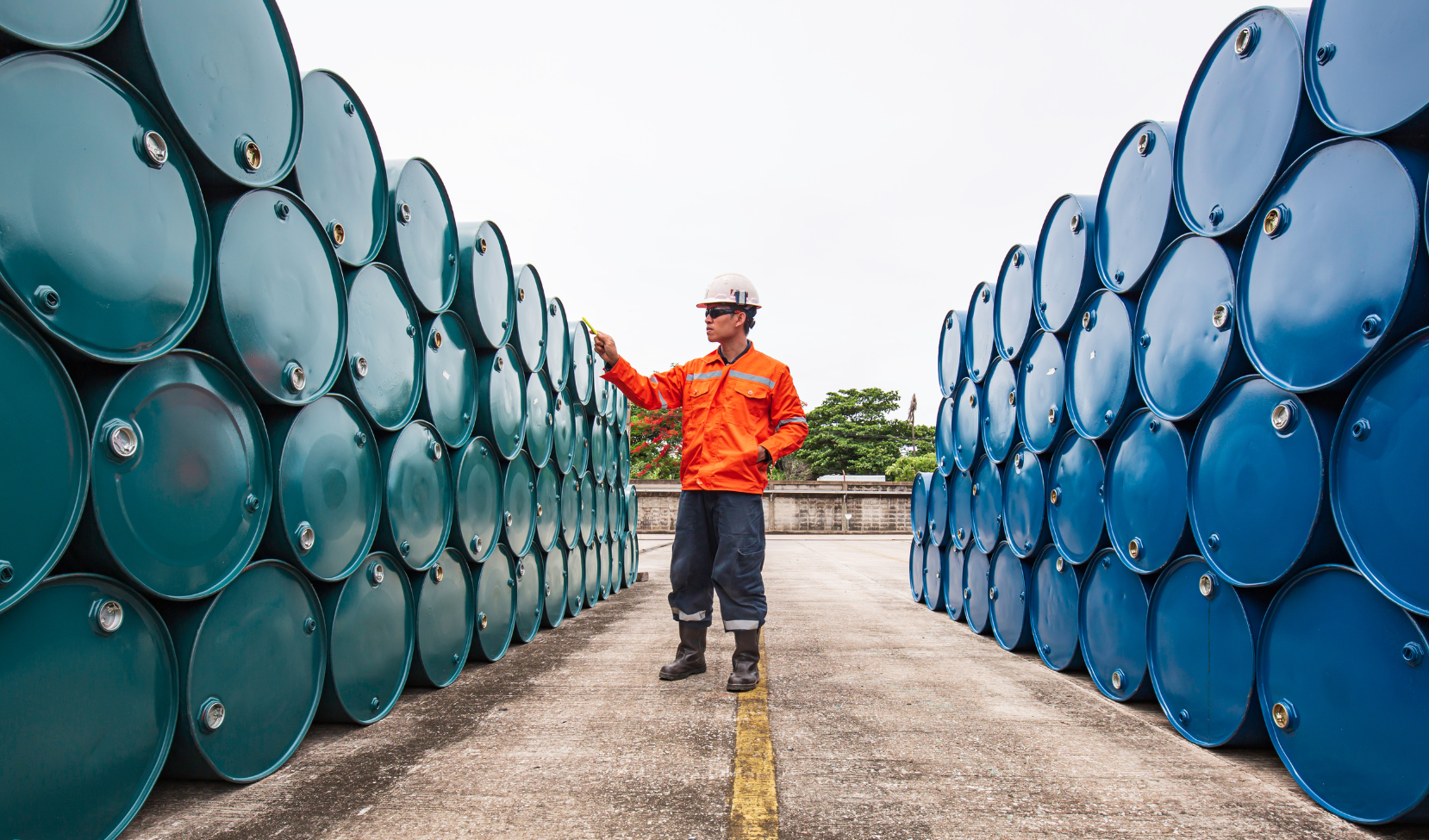
Chemical Manufacturing Compliance: Navigating Water Regulations with Confidence
In today’s operating environment, chemical manufacturing compliance is no longer a narrow regulatory obligation—it is a strategic priority tied directly to risk, cost, and long-term viability. Water use and wastewater discharge sit at the centre of this challenge, as regulators, investors, and communities demand higher standards of environmental performance.
Chemical manufacturers are increasingly asking not just whether they comply today, but whether their chemical manufacturing compliance strategies are resilient enough for what is coming next.
Meeting Today’s Compliance Standards
At its core, chemical manufacturing compliance requires adherence to current water-use and discharge regulations. This includes permits, contaminant limits, and reporting obligations that often differ by region and facility.
The complexity is easy to underestimate. Multi-site operations must navigate varying regulatory frameworks, and even small inconsistencies in monitoring or reporting can create compliance gaps. Without standardised processes, maintaining reliable chemical manufacturing compliance becomes increasingly difficult.
To address this, leading companies are investing in continuous monitoring, structured audits, and clear accountability at site level—turning compliance into an embedded operational practice rather than a periodic exercise.
Water Treatment and Use in Chemical Manufacturing
Water is a central element in any chemical manufacturing process. It is used across multiple stages—from raw material dissolution and reaction media to equipment cleaning, cooling systems, and steam generation. It also plays a critical role in infrastructure, particularly in heat exchangers and closed-loop cooling circuits.
From a chemical manufacturing compliance perspective, this creates a dual responsibility: managing water quality entering the process (upstream) and treating effluent before discharge (downstream).
Upstream, untreated or poorly conditioned water can introduce contaminants that affect product quality, cause scaling or corrosion in equipment, and reduce process efficiency. Downstream, wastewater often contains complex mixtures of organic compounds, heavy metals, suspended solids, and residual chemicals that must be treated to meet discharge standards.
Technologies such as membrane filtration, reverse osmosis, biological treatment, and advanced oxidation processes are increasingly deployed to ensure that water leaving the site meets stringent environmental regulations. Effective integration of these systems is essential to maintaining consistent chemical manufacturing compliance.
Preparing for Change
Regulation is evolving quickly, and chemical manufacturing compliance must keep pace. Emerging contaminants, tighter discharge thresholds, and expanded transparency requirements are already reshaping expectations.
For manufacturers, this raises important questions about cost and operational impact. Will new standards require upgraded treatment systems? Will production processes need to adapt? How will these changes affect margins?
Organisations that anticipate regulatory shifts—rather than react to them—are better positioned to manage costs and avoid disruption. In this context, chemical manufacturing compliance becomes a forward-looking capability that supports long-term planning.
Managing and Recovering Waste in Chemical Manufacturing
Waste management is a critical part of chemical manufacturing compliance. The sector produces large volumes of waste, including hazardous materials like solvents, oils, acids, and process residues. These substances pose serious risks to human health and the environment if mishandled. Strict regulations govern their storage, transport, treatment, and disposal, requiring strong tracking and documentation systems. However, waste is not only a liability—it can also be an opportunity. Many manufacturers are adopting recovery and reuse strategies, such as solvent recycling, energy recovery, and extracting valuable by-products. By integrating waste recovery into operations, companies can cut disposal costs, reduce environmental impact, and strengthen overall compliance.
Risk Exposure in Chemical Manufacturing
Falling short on compliance carries consequences that extend well beyond fines. While financial penalties can be significant, the greater risks often involve operational shutdowns, delayed approvals, and increased regulatory scrutiny. Reputational impact is equally critical. Environmental performance is under closer examination than ever, and failures in chemical manufacturing compliance can quickly erode trust among customers, investors, and local communities.
As a result, companies are broadening their approach—evaluating not only current compliance status but also their exposure to system failures, process variability, and external disruptions.
Scaling Chemical Manufacturing Compliance Across Multiple Sites
Managing compliance at a single facility is challenging; doing so across multiple locations introduces a new level of complexity. Each site may operate under different regulatory conditions, making consistency difficult to achieve.
Traditional tools like spreadsheets and manual reporting processes often fall short in this environment. Increasingly, companies are adopting centralised digital systems that provide real-time visibility into water usage, discharge quality, and compliance status across all sites.
Standardising metrics and reporting frameworks allows organisations to compare performance, identify risks early, and ensure that chemical manufacturing compliance is maintained consistently across the enterprise.
Turning Chemical Manufacturing Compliance Into a Strategic Advantage
Although regulatory pressure is intensifying, it also creates an opportunity. Companies that take a proactive approach to chemical manufacturing compliance often uncover efficiencies, reduce waste, and improve operational performance.
More importantly, strong compliance practices enhance transparency and build trust with stakeholders. In a landscape where water is both a constrained resource and a regulatory focus, this can become a meaningful competitive differentiator.
Chemical manufacturing compliance is no longer just about keeping up with regulations—it is about staying ahead of them. Companies that integrate compliance into their broader strategy will be better equipped to manage risk, control costs, and succeed in an increasingly complex regulatory environment.
Wodr are an independent, specialist water broker supporting chemical manufacturers with a more streamlined approach to water management.
From optimising procurement and negotiating with retailers on your behalf, to identifying leaks and inaccuracies in your usage data, Wodr helps reduce cost and complexity. Through a robust data management system, they provide the visibility and control needed to simplify operations and support your wider chemical manufacturing compliance strategy.

Trade Effluent Management for Food and Beverage Manufacturers: A Hidden Risk and Opportunity

Water is at the heart of every food and beverage operation—but what happens after it’s used is often overlooked. Across the UK, many manufacturers are unknowingly exposing themselves to unnecessary costs, compliance risks, and operational inefficiencies due to lack of visibility or support of their wastewater. That’s where trade effluent management for food and beverage manufacturers becomes critical. Done properly, it’s not just about meeting regulations—it’s about gaining control over your processes, costs, and environmental impact.
What Trade Effluent Management for Food and Beverage Manufacturers Really Means
In a manufacturing environment, wastewater is rarely “just water.” Once it has been used in production, cleaning, or cooling, it typically carries residues such as organic matter, oils, chemicals, and fine solids. Any wastewater produced as part of your business activities—outside of standard domestic use or clean rainwater—falls into the category of trade effluent.
For food and beverage manufacturers, this commonly comes from:
- Production lines and processing equipment.
- Cleaning and sanitation cycles.
- Heating and cooling systems.
- Raw material handling.
Effective trade effluent management for food and beverage manufacturers is about understanding this waste stream in detail—how much is produced, what it contains, and how it behaves over time.
Why Trade Effluent Management for Food and Beverage Manufacturers is Essential for Compliance
Regulation around wastewater discharge in the UK is strict—and for good reason. Public sewer systems and treatment facilities are not designed to handle uncontrolled industrial waste.
If your site sends anything other than domestic wastewater into the sewer network, you are required to have formal approval from your local water authority.
This approval dictates:
- The volume you’re allowed to discharge.
- The concentration of contaminants.
- How your discharge must be monitored.
Failing to comply—whether intentionally or not—can lead to enforcement action, financial penalties, and serious disruption to your operations.
That’s why robust trade effluent management for food and beverage manufacturers is not optional—it’s a legal necessity.
The Financial Impact of Trade Effluent Management for Food and Beverage Manufacturers
One of the biggest misconceptions is that wastewater costs are fixed. In reality, they are highly variable and directly influenced by your operations. Charges are typically linked to: how much wastewater you produce and how contaminated it is. Without accurate measurement and control, businesses often: pay more than they should, miss opportunities to reduce waste and risk additional charges for non-compliance.
In practice, even modest improvements in monitoring and process control can lead to significant savings over time. Strong trade effluent management for food and beverage manufacturers gives you the visibility needed to challenge costs and optimise performance.
How Trade Effluent Management Reveals Operational Inefficiencies
Wastewater provides valuable insight into how your site operates. However, many businesses fail to use this data effectively.
For instance, changes in effluent can highlight:
- Product loss during processing.
- Inefficient cleaning practices.
- Excessive water usage.
- Inconsistent chemical dosing.
Fluctuations often align with specific production activities. When you track these patterns, you can pinpoint exactly where inefficiencies occur. As a result, trade effluent management for food and beverage manufacturers becomes a powerful tool for improving operations—not just meeting compliance requirements.
Protecting Brand Value Through Trade Effluent Management for Food and Beverage Manufacturers
Today, customers and regulators expect strong environmental performance. Therefore, how you manage wastewater directly affects your reputation. If issues arise, they can lead to: regulatory investigations, negative publicity and loss of trust. However, businesses that take control of their wastewater demonstrate responsibility and professionalism. In turn, they strengthen relationships with stakeholders and improve their market position.
So, effective trade effluent management for food and beverage manufacturers helps protect and enhance your brand.
Practical Approaches to Trade Effluent Management for Food and Beverage Manufacturers
You can manage trade effluent in several ways. However, each option requires careful planning and compliance.
On-site Collection and Removal: You can store wastewater and arrange collection by licensed contractors. In this case, you must follow strict rules for storage, transport, and documentation.
Discharge to Sewer Networks: Most manufacturers choose this route. However, you must operate within agreed limits and maintain accurate monitoring at all times.
Direct Environmental Discharge: In some cases, you may discharge treated wastewater into the environment. However, this requires permits and tighter controls.
Therefore, every option reinforces the need for structured trade effluent management for food and beverage manufacturers.
Why Data is Central
You cannot control what you do not measure. Therefore, data sits at the core of effective wastewater management. Monitoring systems allow you to track: discharge volumes, pollutant levels and pH and temperature.
As a result, you can: maintain compliance with confidence, identify trends and issues quickly, reduce unnecessary costs and improve operational efficiency. Without this insight, businesses often react to problems rather than prevent them.
Final Thoughts on Trade Effluent Management for Food and Beverage Manufacturers
Wastewater should not remain an afterthought. Instead, it should act as a key operational indicator.
When you take a proactive approach to trade effluent management for food and beverage manufacturers, you gain:
- Better cost control.
- Stronger compliance.
- Improved efficiency.
- Reduced risk.
Ultimately, manufacturers that manage trade effluent effectively do more than meet regulations—they build more resilient, efficient, and competitive operations.

Wodr Continues Sponsorship of Stratford Town Football Club

On the back of National Non-League Day this past Saturday, Wodr is proud to confirm the continuation of our sponsorship of Stratford Town Football Club for another season.
This partnership reflects our ongoing commitment to supporting local teams and strengthening the communities that surround them. Non-league football represents the heart and soul of the game—bringing people together, nurturing grassroots talent, and creating unforgettable moments both on and off the pitch.
New Football Kit Launch
To mark the occasion, Stratford Town FC has also unveiled their brand-new kit for the 2026/27 season. The design pays tribute to one of football’s most iconic looks—the England ‘82 shirt—reimagined as part of the club’s summer World Cup campaign. It’s a bold and nostalgic nod to football heritage, blending tradition with ambition as The Bards look ahead to an exciting season.

Spirit of England ‘82
We’re incredibly proud to stand alongside Stratford Town FC and play a part in their journey. Partnerships like this go beyond sponsorship—they’re about shared values, community pride, and a passion for the game. The spirit of ’82 is well and truly embedded in the team. So, if you’re as excited about the new season as we are, now’s the perfect time to show your support by backing the Bards and pre-booking the new season kit!
Follow the QR code below to pre-order your kit today!

#SpiritOf82 #BackTheBards
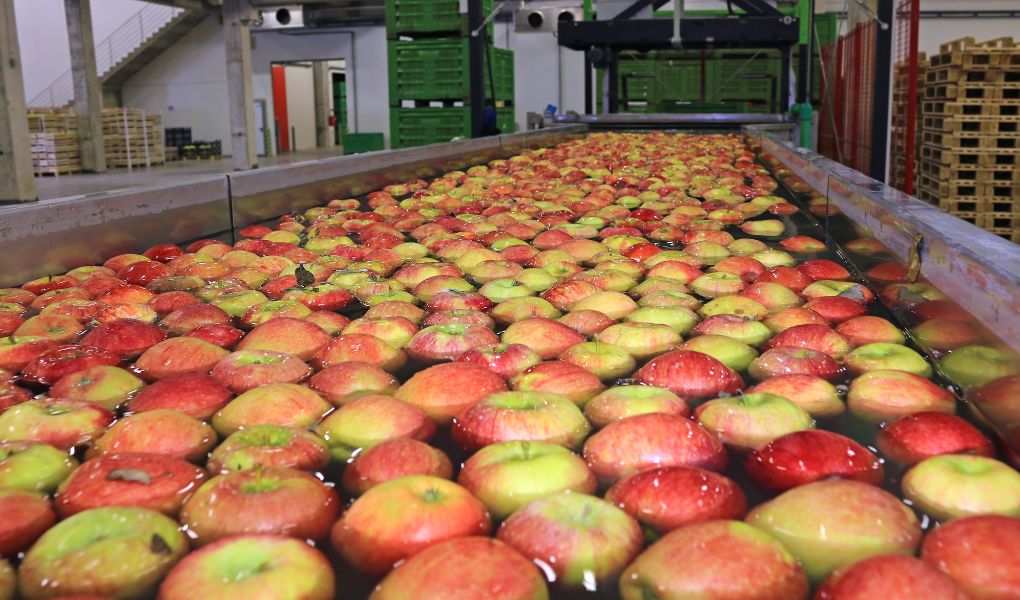
The Hidden Costs of Water in Food Production
Water is one of the most essential ingredients in food and beverage manufacturing—but it’s also one of the most overlooked costs.
From washing raw ingredients to cooling machinery and maintaining hygiene standards, water touches every stage of production. Yet many businesses only see it as a basic utility bill, rather than a strategic cost driver. The reality? Water carries a range of hidden expenses that can significantly impact profitability, efficiency, and sustainability.
Let’s uncover what those hidden costs really are—and how food producers can take control.
1. Water Isn’t Just an Ingredient—It’s Everywhere.
In food production, water plays multiple roles:
- Cleaning and sanitising equipment.
- Cooking, cooling, and processing.
- Acting as a direct ingredient in products.
- Supporting steam systems and refrigeration.
Because of this, the food and beverage sector is one of the highest industrial users of water. Even more striking is the “water footprint” behind products. For example, according to Castle Water:
- Around 200 litres of water to produce a 1 chicken egg.
- Around 950 litres of water to produce a single loaf of bread.
- Around 5,500 litres of water to produce a block of butter.
That’s a lot of water for a quick breakfast (and we’ve not even included your cup of tea!).
These figures highlight how water costs extend far beyond what appears on a monthly bill.
2. The Cost of Waste and Inefficiency.
One of the biggest hidden expenses is water waste. In many facilities, large volumes of water are:
- Lost through leaks or inefficient systems.
- Discharged after single use.
- Wasted during cleaning cycles or steam loss.
Any water that isn’t reused or incorporated into the product becomes waste—often requiring treatment and disposal. This creates a double cost: paying for the water itself and paying again to dispose of it. Without proper monitoring, these losses can quietly drain thousands from operational budgets each year.
3. Rising Water Prices and Tariff Issues.
Water costs in the UK have been steadily increasing, placing additional pressure on manufacturers already dealing with tight margins.
However, a major hidden issue isn’t just rising prices—it’s incorrect tariffs and outdated contracts.
Since the deregulation of the English water market in 2017, businesses can switch suppliers. Yet many food producers:
- Remain on default tariffs.
- Haven’t reviewed contracts in years.
- Are unknowingly overpaying.
This lack of awareness means businesses could be missing out on significant savings, sometimes up to 30% on water bills through better procurement and management.
4. Compliance and Regulatory Costs.
Food production is a highly regulated industry, especially when it comes to water quality and wastewater disposal.
Manufacturers must:
- Meet strict hygiene and safety standards.
- Ensure water quality for product consistency.
- Manage wastewater discharge responsibly.
Failing to meet these requirements can result in:
- Fines and penalties.
- Production downtime.
- Reputational damage.
Water management, therefore, isn’t optional—it’s a compliance necessity that comes with both direct and indirect costs.
5. Equipment Damage and Operational Downtime.
Poor water quality can have a serious impact on equipment:
- Scale build-up in pipes and boilers.
- Corrosion of machinery.
- Reduced efficiency of heating and cooling systems.
Over time, this leads to:
- Increased maintenance costs.
- Unexpected downtime.
- Shortened equipment lifespan.
Inconsistent water quality can even affect the taste, safety, and shelf life of products, adding another layer of financial risk.
6. The Sustainability Cost.
Sustainability is no longer a “nice to have”—it’s a business requirement.
Food manufacturers are under growing pressure to:
- Reduce water consumption.
- Lower environmental impact.
- Align with sustainability targets and regulations.
Water waste and inefficient usage not only increase costs but also impact a company’s environmental footprint. This can affect:
- Brand reputation.
- Investor confidence.
- Supply chain partnerships.
Efficient water management is now directly tied to long-term business resilience.
7. The Opportunity: Turning Water into a Strategic Asset.
The good news? These hidden costs also represent a major opportunity.
By taking a proactive approach, food manufacturers can:
- Conduct water audits to identify inefficiencies.
- Install smart meters for real-time monitoring.
- Upgrade to water-efficient equipment.
- Review and switch water suppliers.
- Implement reuse and recycling systems.
Small operational changes can lead to significant savings—both financially and environmentally.
Water is no longer just a background utility in food production—it’s a critical cost centre with wide-reaching implications.
The businesses that succeed in today’s environment are those that:
Understand their true water usage, identify hidden inefficiencies and take control of procurement and management.
By treating water as a strategic resource rather than a fixed expense, food manufacturers can unlock savings, improve sustainability, and gain a competitive edge.
If you want to hear how we can turn water into a smart strategy rather than an afterthought, get in touch with our experts today.

What Businesses Need to Know About Ofwat Regulation in 2026

For businesses in England, it’s important to understand how regulation affects your bills, your choice of supplier, and the protections available. In 2026, regulatory oversight from Ofwat continues to shape the market from price controls to efficiency incentives.
Here’s what you need to know:
1. Ofwat Sets the Rules for Charges and Competition.
Unlike a standard market where prices rise and fall purely on supply and demand, business water is influenced by regulatory rules. Wholesale charges (the cost water wholesalers charge retailers) are set under strict rules from Ofwat. They are then capped within multi‑year price control periods (currently running to March 2030).
This helps limit how much regional water companies can recover from customers through wholesale charges.
Retail competition means most businesses can choose their retail supplier, helping encourage better service and cost deals. Retailers buy wholesale services from the regional water company and then sell retail packages to business customers.
In effect, you pay the wholesale charge, plus, a retail margin and service fee set by your retailer.
2. Protections for Businesses That Don’t Switch.
Not all business customers actively engage in the market each year. Many remain on default or “deemed” tariffs.
To protect these customers:
The Retail Exit Code (REC) sets price and non‑price protections on default tariffs. This limits how expensive these default tariffs can be compared with the underlying wholesale cost and ensures fair terms.
Ofwat periodically reviews REC protections to make sure they remain appropriate and fair. Consultations on updates are now part of the regulatory cycle.
So, for business customers that want to avoid price increases linked to default tariffs, actively engaging in the market — either by switching supplier or renegotiating contract terms — can often deliver better outcomes.
3. Wholesale (Infrastructure) Charges Are Only Part of the Bill.
Wholesale charges make up a significant slice of your overall cost because they fund the water network — pipes, treatment works, sewer systems, and upgrades.
In early 2026, many regional wholesalers published higher wholesale charges for the 2026–27 charging year, reflecting the latest price control determinations. These increases will show up on business bills unless you have a fixed contract with a retailer.
Ofwat’s price controls are designed not only to keep charges fair but also to ensure infrastructure investment continues — especially in areas like leakage reduction, environmental compliance, and long‑term resilience.
4. Greater Customer Voice and Regulatory Oversight from 2026.
From 1 April 2026, water companies must embed stronger customer involvement in strategic decision-making, including how they set service and price outcomes that affect business customers. Under recent legislation, Ofwat gained new regulatory powers to strengthen customer feedback in company planning.
For business customers, this means:
Companies must actively demonstrate that they consider customer views when making decisions that affect bills and services. Customers will see clearer, more transparent explanations of how companies make decisions and how customer feedback shapes outcomes.
5. Data Access and Market Efficiency Reforms.
Ofwat is also consulting on centralised access to water consumption data for authorised third parties — a potential change that could benefit brokers, analytics firms, and businesses with sustainability or efficiency programmes. This would allow easier access to non‑household consumption data under a new governance framework, potentially helping organisations benchmark and optimise water usage.
6. Compliance and Enforcement Still Matter.
Ofwat doesn’t just set rules — it enforces them. For example, a business water retailer was recently required to refund customers after breaching price protections under regulatory codes. This shows that regulatory oversight is active and can deliver tangible financial benefits to customers when companies stray from compliance.
So, What Does This Mean for Your Business?
In practical terms, as a business customer in 2026 you should:
- Understand your current contract — know whether you’re on a default or negotiated tariff and what protections apply.
- Review options annually — switching retailers or renegotiating can help you avoid wholesale increases baked into default tariffs.
- Engage on efficiency — tracking and managing water consumption is becoming more strategic and potentially better supported through data platforms.
- Use the regulatory environment to your advantage — protections like the REC and Ofwat’s monitoring of competitive outcomes mean you have backstops if prices or service quality deteriorate.
Regulation in 2026 continues to balance fair pricing, competitive markets, and investment imperatives — with Ofwat at the centre of ensuring business customers get value and protection. Which means understanding how the rules work can help you make smarter decisions about your supplier, your contracts, and your water strategy for cost control and sustainability.
Want help analysing how these regulatory changes affect your specific water contract or bill projections?
Let us know — we can provide personalised insights to help you stay ahead in 2026.

5 Ways UK Manufacturers Are Overpaying for Water

UK Manufacturers Water Costs Are Rising, Yet Many Factories Continue To Overpay. Why?
From automotive assembly to electronics fabrication and chemical production, factories rely on high volumes of water daily. Yet many manufacturers are overpaying due to inefficient billing, outdated infrastructure, and lack of strategic water management.
Here are 5 ways manufacturers overpay — with practical solutions and sector-specific examples to cut costs.
1. Not Leveraging the Competitive Business Water Market
Since April 2017, the UK business water market (England and Wales) allows manufacturers to choose their water retailer rather than being tied to the default supplier. Many companies, however, never shop around, ending up on costly tariffs.
How to reduce costs:
- Compare quotes from multiple water retailers.
- Switch to tariffs with lower rates.
- Renegotiate contracts every 12–24 months.
2. Overlooking Billing Errors
Billing mistakes are surprisingly common in business water accounts. The Consumer Council for Water reports that inaccurate meter readings or misapplied charges are frequent sources of dispute. Even small errors can cost thousands in larger industrial facilities.
How to reduce costs:
- Audit bills quarterly.
- Verify meter numbers, volumes, and charges.
- Request corrections and refunds promptly.
3. Paying Excessive Wastewater (Sewerage) Charges
Manufacturers pay not only for water supply but also for wastewater discharge. In many facilities, sewerage charges can match or exceed supply costs. Facilities with high-discharge processes — such as metal finishing, electronics cleaning, or chemical production — are particularly affected.
How to reduce costs:
- Install pre-treatment systems to lower discharge loads.
- Meter wastewater separately if possible.
- Implement recycling and reuse technologies.
4. Ignoring Meter Accuracy and Leaks
Old or poorly maintained water meters can lead to overestimated bills. Undetected leaks in cooling loops, rinse lines, or process circuits can waste thousands of litres annually.
How to reduce costs:
- Upgrade to smart water meters.
- Monitor daily consumption data.
- Conduct regular leak detection surveys.
5. Missing Operational Water Efficiency Opportunities
Many manufacturers fail to track water flows through production processes, leaving efficiency opportunities untapped. Optimising water use improves both costs and operational performance.
How to reduce costs:
- Map water usage across processes and equipment.
- Reuse water in cooling circuits or cleaning operations.
- Introduce flow controls and optimise rinse or wash cycles.
Water should be treated as a strategic utility cost, not a fixed expense.
Manufacturers that audit bills, leverage competitive tariffs, fix leaks, reduce wastewater, and optimise operational efficiency can significantly cut costs and enhance sustainability.
By integrating water efficiency into everyday operations, UK manufacturing can save money while boosting productivity and environmental performance.
If you want support to audit your business, install smart meters or to lower bills – get in touch with our team today for free, no obligation advice.