

Consumption Monitoring: How Wodr's Daytona Platform Supports Your Net Zero Goals

As businesses work towards ambitious sustainability targets, having accurate consumption monitoring in place is becoming essential. Understanding how your organisation uses water and energy is the first step towards reducing waste, lowering costs, and achieving Net Zero objectives.
At Wodr, our Daytona Platform provides advanced consumption monitoring capabilities that help businesses track utility usage, identify inefficiencies, and stay on target throughout their sustainability journey.
Set Meaningful Consumption Targets
Effective Net Zero planning starts with understanding your current utility usage. Through Daytona’s consumption monitoring capabilities, Wodr can help establish realistic water consumption reduction targets based on your historical usage and business requirements.
By setting measurable goals, your business can track progress and make informed decisions that support long-term sustainability objectives.
Continuous Consumption Monitoring Throughout Your Contract
Setting targets is only the beginning. Maintaining visibility over your utility usage is what drives real results.
Daytona provides continuous consumption monitoring throughout the duration of your contract, allowing both your business and Wodr to track performance against agreed targets. This ongoing monitoring ensures you always know whether you’re on course to meet your sustainability goals.
Our team actively reviews your data and helps translate complex information into practical recommendations.
Early Warning Alerts
Unexpected increases in usage can quickly impact both budgets and sustainability targets.
Our consumption monitoring system can be configured to provide alerts and notifications when usage patterns suggest you may exceed your targets. This early-warning approach allows corrective action to be taken before excessive consumption becomes a costly problem.
Rather than simply reporting the data, Wodr works with you to identify opportunities for improvement and reduce unnecessary usage.
Consumption Monitoring Helps Detect Leaks and Unusual Usage
Hidden leaks and operational inefficiencies are common causes of excessive water consumption.
Daytona’s consumption monitoring tools analyse usage patterns to identify unusual spikes and abnormal behaviour that could indicate leaks or equipment issues. Detecting these problems early can help reduce waste, minimise costs, and support your Net Zero commitments.
This proactive approach enables businesses to address issues before they escalate into significant operational challenges.
Tailored Reports Delivered Directly to Your Inbox
Data is only valuable when it’s easy to understand and act upon.
That’s why Wodr provides customised consumption monitoring reports directly to your inbox. These reports give you a clear overview of performance, progress against targets, usage trends, and opportunities for further efficiencies.
You receive the information you need, without having to spend hours analysing utility data yourself.
A Complete Utility Overview
Sustainability requires a complete view of utility consumption.
In addition to water consumption monitoring, our sister company, Utility Stream, provides specialist energy utilities consultancy that integrates directly with the Daytona platform. Together, this delivers a complete view of utility performance across your organisation, enabling you to better understand the link between water and energy consumption and identify further efficiency opportunities.
Whether you operate from a single site or manage multiple locations, Daytona delivers a centralised view of utility performance across your entire business.
Wodr: Partnering With You, To Support Your Net Zero Success
Achieving Net Zero is an ongoing process that requires visibility, accountability, and continuous improvement.
Through advanced consumption monitoring, intelligent alerts, leak detection, and comprehensive reporting, Daytona helps businesses reduce waste, improve efficiency, and make measurable progress towards their environmental goals.
At Wodr, we’re committed to helping organisations gain greater control over their utility usage while simplifying the path to Net Zero.
Ready to Improve Your Consumption Monitoring?
Contact Wodr today to learn how the Daytona Platform can provide advanced consumption monitoring for water and energy usage, helping your business reduce waste, lower costs, and achieve its sustainability objectives.


UK Water Utilities Glossary: A Complete Guide to Water Industry Terms & Acronyms

Welcome to our UK Water Utilities Glossary, a comprehensive A–Z guide to the terminology, acronyms, and technical language used across the water industry. Whether you’re a utility professional, consultant, regulator, developer, or simply looking to better understand the sector, this glossary provides clear and concise definitions of common water utility terms. From AMP, Ofwat, and WRMP to leakage, abstraction, wastewater treatment, and smart metering technologies such as AMR and AMI, you’ll find straightforward explanations to help you navigate the complex world of UK water and wastewater services.
A
Abstraction
The removal of water from rivers, reservoirs, lakes, or groundwater sources for public supply, industry, or agriculture.
Abstraction Incentive Mechanism (AIM)
An Ofwat incentive that encourages water companies to reduce abstraction from environmentally sensitive water sources.
Abstraction Licence
Permission granted by the Environment Agency allowing a company to take water from a natural source.
Active Leakage Control (ALC)
The process of proactively finding and repairing leaks in the water network.
ADD (Average Daily Demand)
The average volume of water supplied or consumed per day over a year. ADD is calculated by dividing total annual demand by the number of days in the year and is commonly used for long-term planning and forecasting.
ADPW (Average Day Peak Week Demand)
The average daily demand during the highest demand week of the year. ADPW is a key metric in water resource planning as it reflects sustained periods of elevated demand, typically occurring during warm, dry weather.
AMI (Advanced Metering Infrastructure)
A more advanced form of smart metering that allows two-way communication between water meters and utility systems. AMI supports near real-time consumption data, leak alerts, remote diagnostics, and customer usage insights.
AMP (Asset Management Period)
The five-year regulatory planning and investment cycle for UK water companies.
AMR (Automatic Meter Reading)
A technology that enables water meter readings to be collected remotely without requiring a meter reader to visit the property. AMR systems typically transmit consumption data via radio signals to utility systems, improving billing accuracy and operational efficiency.
Aquifer
An underground layer of rock or gravel that stores groundwater.
Aquifer Storage Recovery (ASR)
A process of storing water underground for future use.
Asset Health
A measure of the condition and reliability of infrastructure assets.
Asset Inventory (AI)
A record of utility assets, including condition, size, age, and replacement value.
Available Headroom (AH)
The difference between available water supply and forecast demand.
B
Baseline Demand Forecast
A forecast of future water demand based on current policies and trends.
Baseline Supply Forecast
The forecast of future water availability using existing infrastructure and licences.
Best Value Planning
A planning approach balancing cost, resilience, customer value, and environmental outcomes.
Biodiversity Net Gain (BNG)
An environmental requirement ensuring developments improve biodiversity overall.
Biosolids
Treated sewage sludge suitable for recycling, often used in agriculture.
Borehole
A deep shaft drilled into the ground to extract groundwater.
C
CAMS (Catchment Abstraction Management Strategy)
Environment Agency plans that manage water resources within a catchment.
CAPEX (Capital Expenditure)
Money spent on new infrastructure, assets, and major improvements.
Catchment
An area of land where rainfall drains into a common river, reservoir, or groundwater system.
Catchment Management
Activities undertaken to improve water quality and environmental performance at source.
CBA (Cost Benefit Analysis)
A method for comparing the costs and benefits of different investment options.
CCW (Consumer Council for Water)
The independent body representing water customers in England and Wales.
CHP (Combined Heat and Power)
Technology that produces electricity and heat simultaneously.
Climate Change Adaptation
Actions taken to prepare for future climate impacts.
Climate Change Mitigation
Actions taken to reduce greenhouse gas emissions.
Combined Sewer Overflow (CSO)
A structure allowing excess sewage and rainwater to discharge during heavy rainfall to prevent flooding.
Communication Pipe
The pipe connecting a water main to a property’s boundary.
Conjunctive Use
The coordinated use of surface water and groundwater resources.
Consumption
The volume of water used by customers.
Customer Side Leakage
Leaks occurring on private pipework after the utility’s responsibility ends.
D
Defra
Department for Environment, Food and Rural Affairs.
Deployable Output (DO)
The reliable amount of water available from a source or treatment works.
DG2
A performance measure relating to customers at risk of low water pressure.
DI (Distribution Input)
The amount of treated water entering the distribution network.
Distribution Main
A pipe that transports water to customers.
Distribution Losses (DL)
Water lost through leakage from mains, reservoirs, and associated infrastructure.
DMA (District Metered Area)
A defined network area where water flows are monitored to identify leakage.
D-MeX (Developer Services Measure of Experience)
An Ofwat metric measuring developer satisfaction.
DMUU (Decision Making Under Uncertainty)
A planning method used to assess future water resource risks.
DO (Deployable Output)
The reliable quantity of water that can be supplied under specified conditions.
DPC (Direct Procurement for Customers)
A process allowing third parties to deliver large infrastructure projects.
Drought Order
Government authorisation for exceptional drought measures.
Drought Permit
Environment Agency permission allowing temporary drought-related abstraction changes.
DWI (Drinking Water Inspectorate)
The regulator responsible for drinking water quality.
DWQ (Drinking Water Quality)
The safety and quality of public drinking water supplies.
DWF (Dry Weather Flow)
Wastewater flow measured during dry conditions.
DY (Dry Year)
A year where water resources are under significant pressure.
DYAA (Dry Year Annual Average Demand)
The average daily water demand expected during a dry year. This measure is used in Water Resources Management Plans (WRMPs) to assess the balance between water supply and demand under drought conditions.
DYCP (Dry Year Critical Period Demand)
The highest demand expected during the most critical period of a dry year, usually during prolonged hot and dry weather. DYCP is a key planning metric used to test the resilience of water supply systems under stress conditions.
E
EA (Environment Agency)
The environmental regulator for England.
EBSD (Economics of Balancing Supply and Demand)
An approach used to compare supply and demand-side solutions.
Economic Level of Leakage (ELL)
The point where the cost of reducing leakage exceeds the value of water saved.
Effluent
Treated wastewater discharged back to the environment (read more here).
Environmental Flow Indicator (EFI)
A flow threshold used to assess environmental impacts of abstraction.
Environmental Performance Assessment (EPA)
The Environment Agency’s performance ranking system for water companies.
ERI (Environmental Risk Index)
A measure of risk from drinking water quality failures.
F
Final Effluent
Fully treated wastewater discharged from a treatment works.
Flood and Coastal Risk Management (FCRM)
Management of flooding and coastal erosion risks.
G
Groundwater
Water stored beneath the Earth’s surface in aquifers.
Guaranteed Standards Scheme (GSS)
Standards requiring compensation when service levels are not met.
H
Hands Off Flow (HOF)
A minimum river flow below which abstraction must stop.
Habitats Regulations Assessment (HRA)
Assessment of impacts on protected habitats and species.
I
I&I (Infiltration and Inflow)
Groundwater or rainwater entering wastewater networks.
INNS (Invasive Non-Native Species)
Species that may damage ecosystems or infrastructure.
Integrated Water Resources Management (IWRM)
A holistic approach to managing water resources.
Interruption to Supply
A temporary loss of water service.
L
Leakage
Water lost from the distribution network before reaching customers.
LPD (Litres Per Person Per Day)
The average amount of water used by an individual each day. LPD is widely used to measure household water consumption and assess the effectiveness of water efficiency programmes.
M
MDD (Maximum Daily Demand)
The highest volume of water demanded in a single day during a defined period, usually a year. MDD is used by water companies to assess network capacity, treatment works performance, and infrastructure resilience during peak demand events.
Managed Aquifer Recharge (MAR)
The deliberate recharge of groundwater supplies.
MCA (Multi-Criteria Analysis)
A method for comparing options against multiple objectives.
Megalitre (Ml)
One million litres of water.
Meter Optant
A customer who chooses to have a water meter installed.
Minimum Residual Flow (MRF)
The minimum flow required in a river after abstraction.
MOEO-RDM (Multi-Objective Robust Decision Making)
An advanced planning approach used in regional water resource planning.
MOSL (Market Operator Services Limited)
Operator of England’s non-household retail water market.
N
Natural Capital
Environmental resources that provide benefits to society.
Natural Capital Assessment (NCA)
Assessment of environmental assets and ecosystem services.
Net Zero
Achieving a balance between greenhouse gas emissions and removals (read more here).
Non-Revenue Water (NRW)
Water supplied but not billed because of leaks, theft, or metering errors.
Nitrate Vulnerable Zone (NVZ)
An area designated as being at risk from nitrate pollution.
O
ODI (Outcome Delivery Incentive)
Financial rewards or penalties linked to company performance.
Ofwat
The economic regulator of the water sector in England and Wales.
Operational Expenditure (OPEX)
Day-to-day operating costs.
P
PCC (Per Capita Consumption)
The average volume of water consumed per person per day, typically expressed in litres. PCC is one of the most important performance indicators used by UK water companies to monitor customer demand and support demand reduction strategies.
PDD (Peak Daily Demand)
The highest short-term daily demand observed or forecast within a specific period. PDD is often used interchangeably with MDD, although some organisations use it to describe exceptional peak demand events.
Performance Commitment (PC)
A target agreed between Ofwat and a water company.
Potable Water
Water that is safe to drink.
Pressure Reducing Valve (PRV)
A valve used to manage network pressure.
PR19 / PR24
Ofwat price reviews setting performance and investment requirements.
R
Raw Water
Untreated water from natural sources.
Reservoir
A storage facility for water.
Resilience
The ability to withstand and recover from disruptions.
Rising Main
A pressurised wastewater pipeline.
S
SCADA (Supervisory Control and Data Acquisition)
Systems used to remotely monitor and control assets.
SEA (Strategic Environmental Assessment)
An assessment of environmental impacts of plans and programmes.
Service Reservoir
A treated water storage facility.
Sewer Flooding
Escape of wastewater from the sewer system.
SPS (Sewage Pumping Station)
A facility used to pump wastewater.
Storm Overflow
A permitted discharge point operating during heavy rainfall.
T
TOTEX (Total Expenditure)
Combined capital and operational expenditure.
Treatment Works (TW)
A site where water or wastewater is treated.
Turbidity
A measure of water cloudiness.
U
Unaccounted-for Water
Water losses not reflected in customer billing.
Unplanned Outage
Treatment capacity unavailable because of equipment failure.
W
Water Framework Directive (WFD)
Legislation protecting and improving water environments.
Water Recycling Centre (WRC)
Modern term for a wastewater treatment works.
Water Resource Zone (WRZ)
An area where water resources and demand are managed together.
Water Resources Management Plan (WRMP)
A long-term plan showing how a company will balance supply and demand.
Water Stress
A situation where water demand exceeds available resources.
Water Treatment Works (WTW)
A facility treating raw water to drinking water standards.
Wastewater
Used water from homes, businesses, and industry.
Wastewater Treatment Works (WwTW)
A site treating sewage before discharge.
WINEP (Water Industry National Environment Programme)
Environmental improvement obligations placed on water companies.
Z
Zone Metering
The measurement of flows within defined sections of the water network to monitor performance and identify leakage.
Still Not Following Our Water Utilities Glossary?
If reading through this Water Utilities Glossary is giving you a headache, you’re not alone. From AMP and TOTEX to WRMPs, leakage targets, and regulatory frameworks, the industry is packed with terminology that can quickly become overwhelming. That’s exactly why we’re here.
We’ve created this Water Utilities Glossary to help demystify the language of the water industry, but understanding the terminology is only the beginning. Our job is to cut through the complexity, translate technical concepts into clear actions, and help organisations navigate an ever-changing regulatory and operational landscape.
So while we’ve documented the jargon here, you don’t need to become an expert in it. Leave that to us. We’ll handle the acronyms, regulations, and technical detail—so you can focus on the decisions that matter.
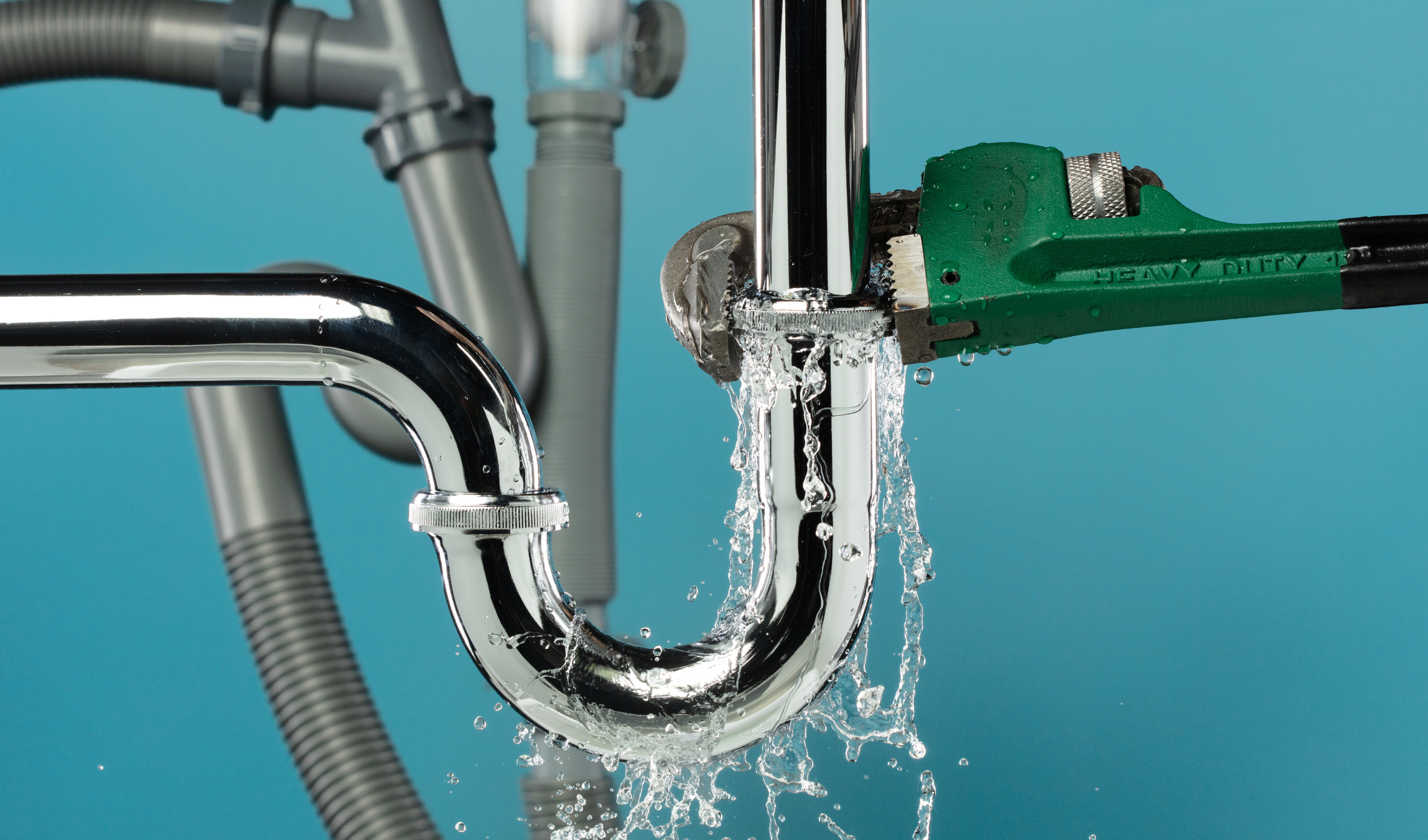
Reducing Leakage: A Practical Route to Net Zero and Carbon Savings
As organisations across the UK continue their journey towards net zero, much of the conversation focuses on renewable energy, fleet electrification, sustainable procurement and carbon offsetting. While these initiatives all have an important role to play, one often overlooked opportunity lies in reducing water leakage and unnecessary water consumption.
Water is a valuable resource, and every litre lost through leaks represents more than just wasted water. It also represents wasted energy, wasted resources and avoidable carbon emissions. By identifying and addressing leakage, businesses can make meaningful progress towards both their sustainability goals and operational efficiency targets.
The Hidden Carbon Cost of Water
Water does not arrive at taps, production lines or commercial premises without a carbon footprint.
Before water reaches a business, it must be abstracted from rivers, reservoirs or groundwater sources, treated to meet quality standards and transported through extensive distribution networks. Each stage requires energy, infrastructure and resources.
When water is lost through leaks within a building, facility or wider estate, all of the carbon emissions associated with treating and supplying that water are effectively wasted. This is often referred to as the embedded carbon of water. The greater the volume of water lost, the greater the associated environmental impact.
For organisations looking to reduce their carbon footprint, tackling leakage offers an opportunity to improve water efficiency while simultaneously reducing indirect emissions.
Cutting Carbon Through Smarter Water Efficiency
Water scarcity is becoming an increasing concern across many parts of the UK. At the same time, regulators, investors, customers and stakeholders are placing greater emphasis on sustainable resource management.
Many organisations now include water reduction targets within their wider ESG and net zero strategies. Reducing leakage can help businesses:
- Lower operational carbon emissions.
- Reduce water consumption and associated costs.
- Improve resource efficiency.
- Support environmental and sustainability commitments.
- Strengthen resilience against future water shortages.
- Demonstrate responsible business practices.
As climate pressures increase and sustainability reporting becomes more important, effective water management is becoming a key component of corporate environmental strategies.
Smart Monitoring Is Transforming Leakage Detection
Historically, leaks often went unnoticed until they became visible, caused damage or generated unexpectedly high water bills.
Today, advances in smart monitoring technology are helping organisations identify and address leaks far more quickly.
Connected sensors, automated meter reading systems and real-time monitoring platforms provide greater visibility into water usage patterns, allowing businesses to detect unusual consumption before small leaks become major problems.
The benefits of smart water monitoring include:
- Faster leak detection.
- Reduced water losses.
- Lower utility costs.
- Improved operational efficiency.
- Better asset management.
- More informed sustainability reporting.
By gaining greater insight into how water is being used across their operations, businesses can take proactive action to reduce waste and improve performance.
The Financial Benefits of Leakage Reduction
The business case for tackling leakage extends beyond sustainability.
Every litre of water lost through a leak still incurs the cost of supply, treatment and distribution. In many cases, leaks can continue undetected for weeks or months, significantly increasing operating costs.
Reducing leakage can help organisations:
- Lower water and wastewater charges.
- Reduce energy consumption associated with water use.
- Minimise the risk of property damage and disruption.
- Improve the lifespan of plumbing and infrastructure assets.
- Avoid costly emergency repairs.
At a time when businesses are under increasing pressure to manage costs and improve environmental performance, reducing water losses can deliver measurable benefits on both fronts.
Supporting a Sustainable Future
Achieving net zero will require action across every area of business operations. While major decarbonisation projects often attract the most attention, reducing water leakage remains one of the simplest and most immediate ways to reduce resource waste and lower environmental impact.
By combining proactive leakage management with smart monitoring technologies and data-driven decision-making, organisations can conserve valuable water resources, improve operational efficiency and accelerate progress towards their sustainability goals.
In the transition to a lower-carbon future, every litre saved matters.

Churchmarketplace (CMP) – Simplifying Water Services with Wodr

Churchmarketplace (CMP) – Simplifying Water Services with Wodr Across Multi-Site Catholic Organisations.
Churchmarketplace (CMP) supports Catholic schools, parishes, and diocesan organisations across England and Wales, helping them simplify procurement, reduce risk, and promote sustainability.
Managing water services across large estates with multiple connections, separate bills, and different decision makers had previously been a major challenge. Particularly for multi-academy trusts and diocesan offices. Organisations struggled with complex billing, limited visibility of usage, and uncertainty over competitive tariffs, while also aiming to meet sustainability and compliance goals.
How Did Wodr Help Catholic Organisations Save On Their Water Bills?
To address these procurement issues, CMP partnered with Wodr to create a national water services framework. Wodr led the tender process and selected Business Stream as the preferred supplier.
Wodr and Business Stream were then able to deliver a solution designed to handle multiple supply points, separate bills, and the involvement of different decision-makers across sites. The framework provides clear guidance, billing transparency, and expert support while allowing members to implement water efficiency initiatives. This includes detecting leaks, and promoting sustainability within their schools and estates.
Implementation was straightforward.
“The process has been well structured and straightforward.”
CMP members received clear materials and ongoing seasonal guidance from Wodr, making it easy to engage with the framework without extra administrative burden. Specialist support reduced internal resource demands, enabling organisations to focus on their core mission while ensuring water procurement was efficient, transparent, and compliant.
What Results Have Catholic Organisations Seen?
The results have been significant. Participating members have achieved average retail savings of 31% on retail fees, with large contracts such as a £250,000 award in the Archdiocese of Birmingham. Improved billing visibility has allowed organisations to forecast costs and manage budgets more effectively.
Sustainability initiatives, including leak detection, water audits, and educational resources, have enhanced environmental stewardship across estates, supporting the Church’s “Care for Our Common Home” campaign.
Through this partnership, CMP has been able to offer Catholic organisations a structured, sustainable water procurement solution that delivers financial savings, operational simplicity, and environmental benefits, even across complex, multi-site estates with multiple connections and decision-makers.

Wodr Heads to New Road To Watch Worcestershire Rapids

At Wodr, we’re passionate about supporting local communities, businesses and organisations that bring people together. That’s why we’re proud to continue our partnership with Worcestershire County Cricket Club. This partnership strengthens a relationship that already sees Wodr and our sister company, Utility Stream, supporting the club with their business water and energy utilities.
A Rich History Behind Worcestershire County Cricket Club
Founded in 1865, Worcestershire County Cricket Club has been at the heart of English cricket for more than 150 years. Based at the iconic New Road Ground in Worcester, the club has built a reputation for producing outstanding players… as well as creating memorable moments for supporters across generations.
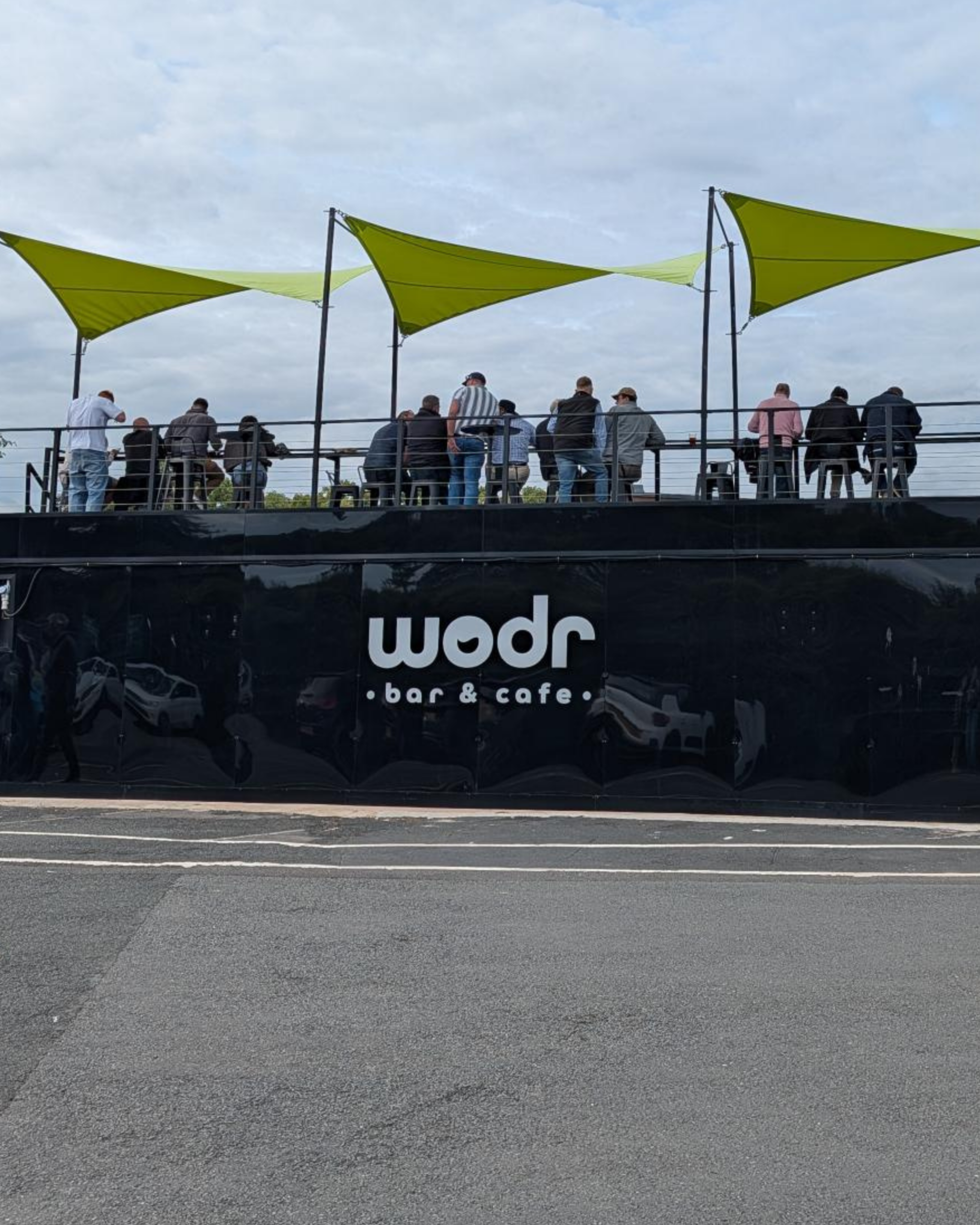
Situated alongside the River Severn, New Road is one of the most picturesque grounds in the country and remains a focal point for sport and community life in Worcestershire. And now even more so as it features the wonderful Wodr-Sponsored Hospitality Bar!
Supporting Worcestershire Cricket Through Water, Energy and Sponsorship
For some time now, Wodr (and it’s sister company Utility Stream) have proudly supported Worcestershire County Cricket Club by helping manage their business water and energy utilities. This partnership allows the club to focus on delivering fantastic experiences for players, members and supporters, while we help ensure their essential services run efficiently behind the scenes.
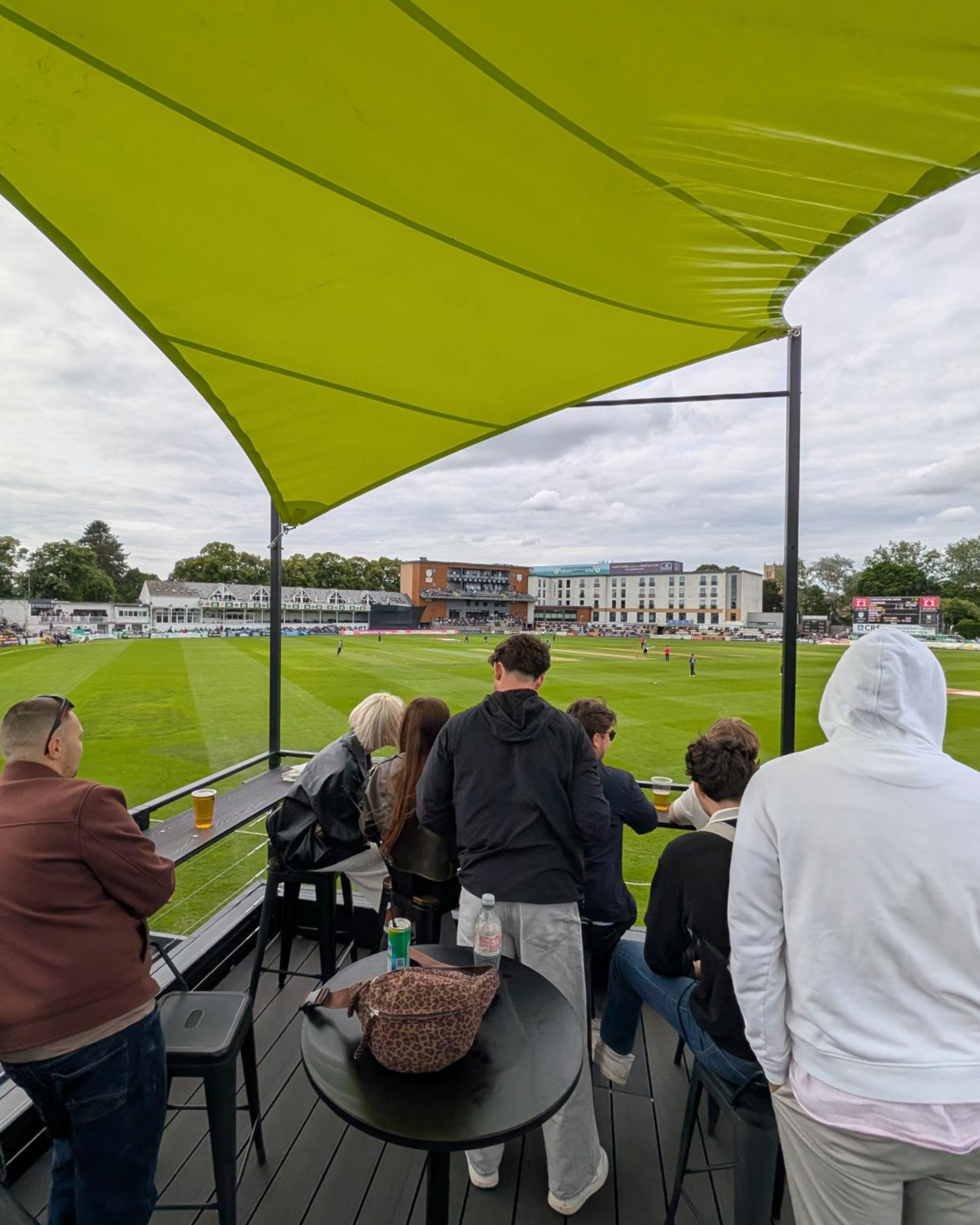
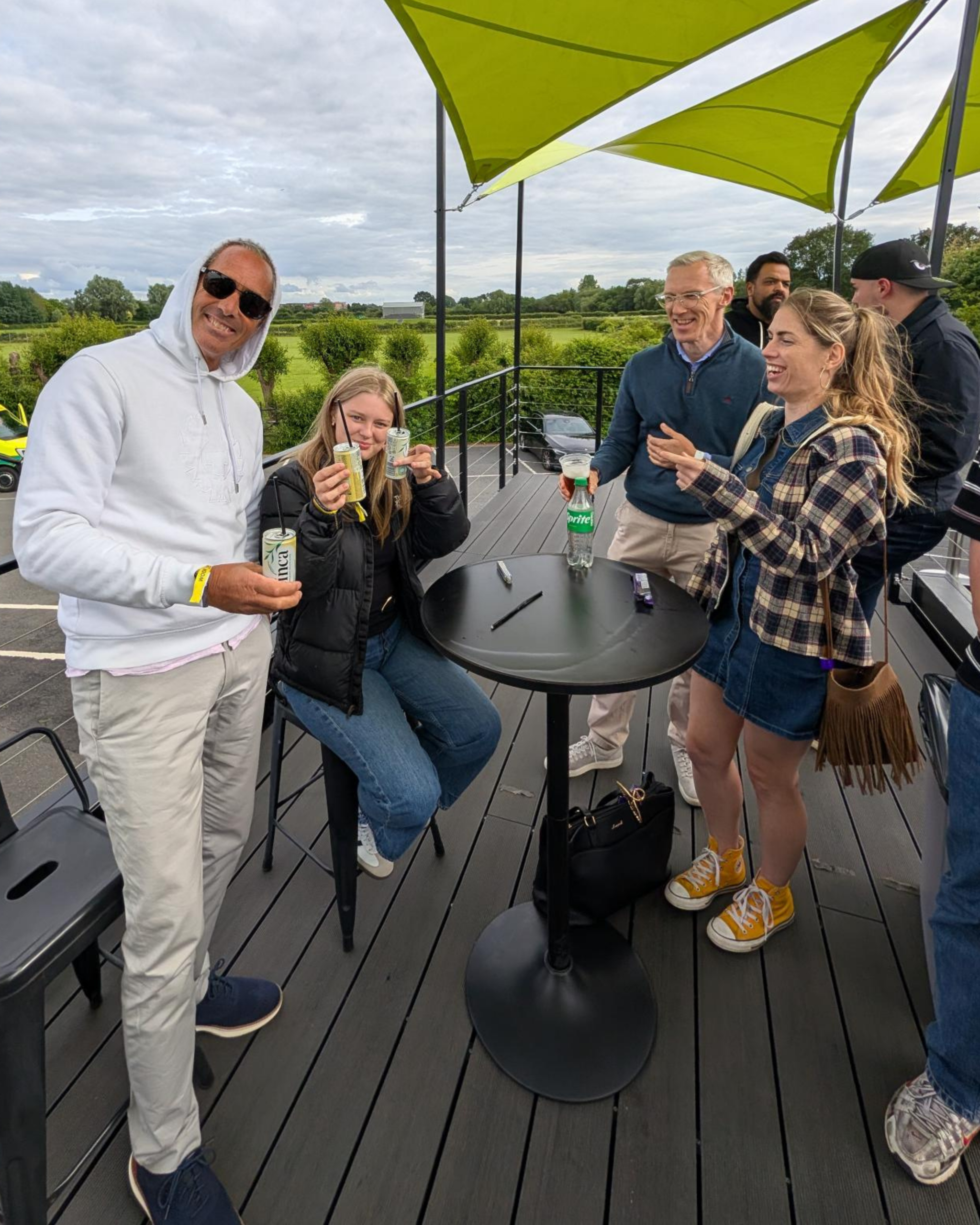
And for the second year running, we’re delighted to take our support a step further by sponsoring one of the club’s hospitality bars, helping to enhance the matchday experience for members, guests and supporters alike. As the hospitality bar reopened for the summer season, there seemed no better way to celebrate than by getting the whole Wodr team together for a day at the cricket.
The Wodr Team Heads to Watch Worcestershire Rapids
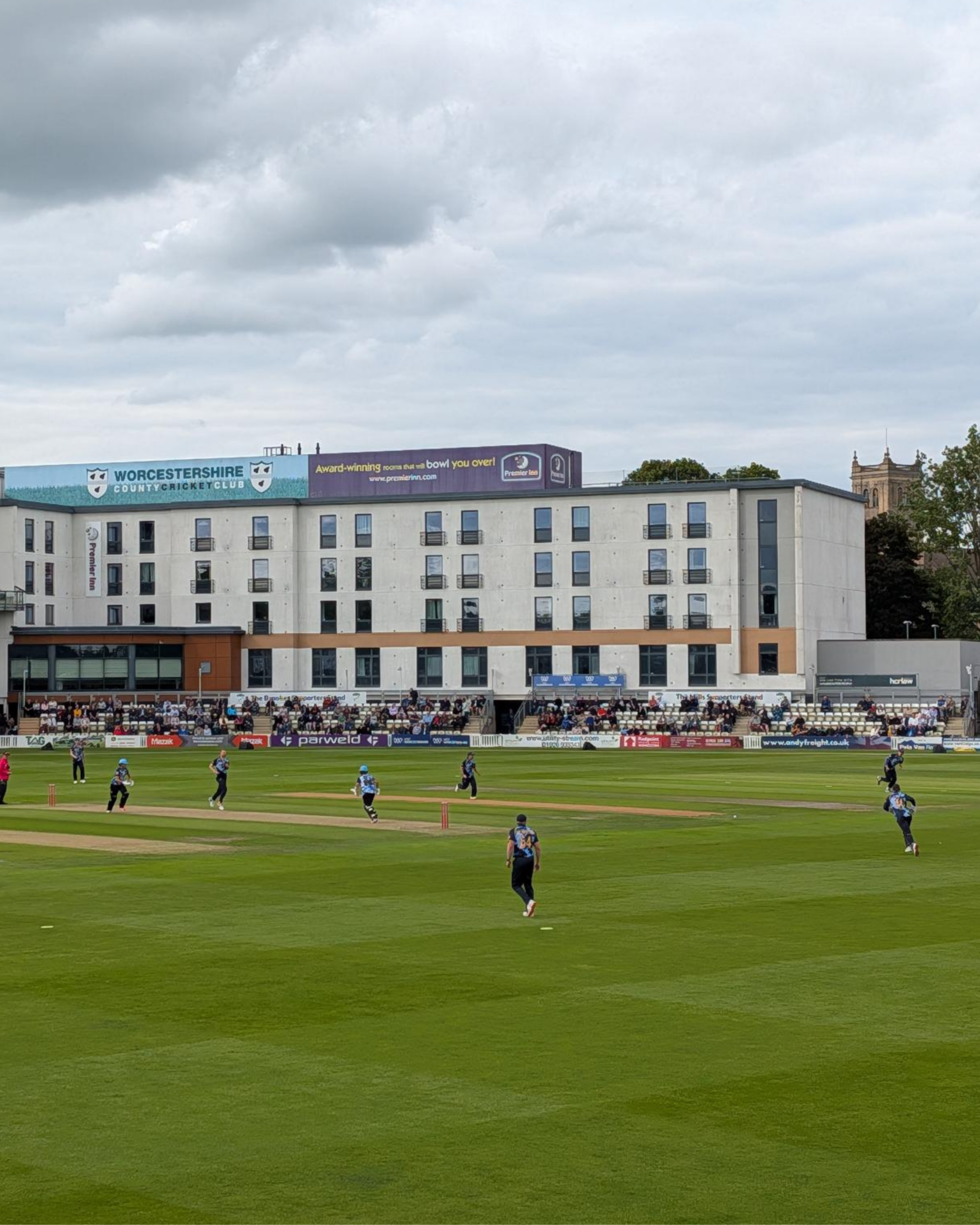
With excitement building, the team jumped aboard a minibus and made the journey to Worcester to enjoy an evening of T20 cricket.
The match certainly didn’t disappoint. Worcestershire Rapids Men posted a competitive 168/8 before restricting Glamorgan Men to 141 all out, securing a convincing 27-run victory for the home side. The atmosphere around the ground was fantastic, and it was great to see supporters enjoying the hospitality facilities throughout the evening.










An Added Bonus!
Now, you might think that watching Worcestershire Rapids claim a brilliant victory would be the highlight of the day. But you’d be wrong. As the team made the short walk to the ground, we spotted a few very familiar faces staring back at us from the billboards outside New Road.
There, proudly displayed for everyone arriving at the grounds, were members of our very own Wodr team! The snaps were taken from our visit the previous year (and there was a particular spotlight on Joe!).
Safe to say there were a few surprised reactions, laughter and more than a couple of photo opportunities before we even made it through the gates.

It’s not every day you arrive at a cricket ground and find yourself featured on the billboards

Looking Ahead to More Worcestershire Rapids Action This Summer
Our visit to New Road was a fantastic reminder of why partnerships like this matter. Supporting local clubs strengthens communities, creates memorable experiences and brings people together. We’re proud to work alongside Worcestershire County Cricket Club through our utility services and hospitality bar sponsorship. We look forward to many more successful seasons ahead, both on and off the pitch.
Congratulations to Worcestershire Rapids on a fantastic win, and here’s to a great summer of cricket at New Road.
Looking to reduce costs, improve efficiency or get more from your business water services? Then get in touch with the Wodr team today to see how we can help.

What Is Smart Metering And How Can AMRs Benefit Your Business?
What is a smart metering? Do you need to do it? How can it help your business?
In this video, we talk all things smart meters, also known as an AMR. We’ll explain how they are transforming the way businesses manage water by providing near real-time usage insights, detects leaks early, reduce waste, and turns water from a fixed cost into a controllable expense.
Unfiltered Vlog | What Is Smart Metering And How Can AMRs Benefit Your Business?
If you run a business, get in touch with our team today to find out how a smart meter/AMR can make a real difference to your bottom line.
Get in touch with our team today to explore your options and take control of your business water—turning it into a strategic advantage, not just a cost.
Stratford Town Football Club End-of-Season Awards

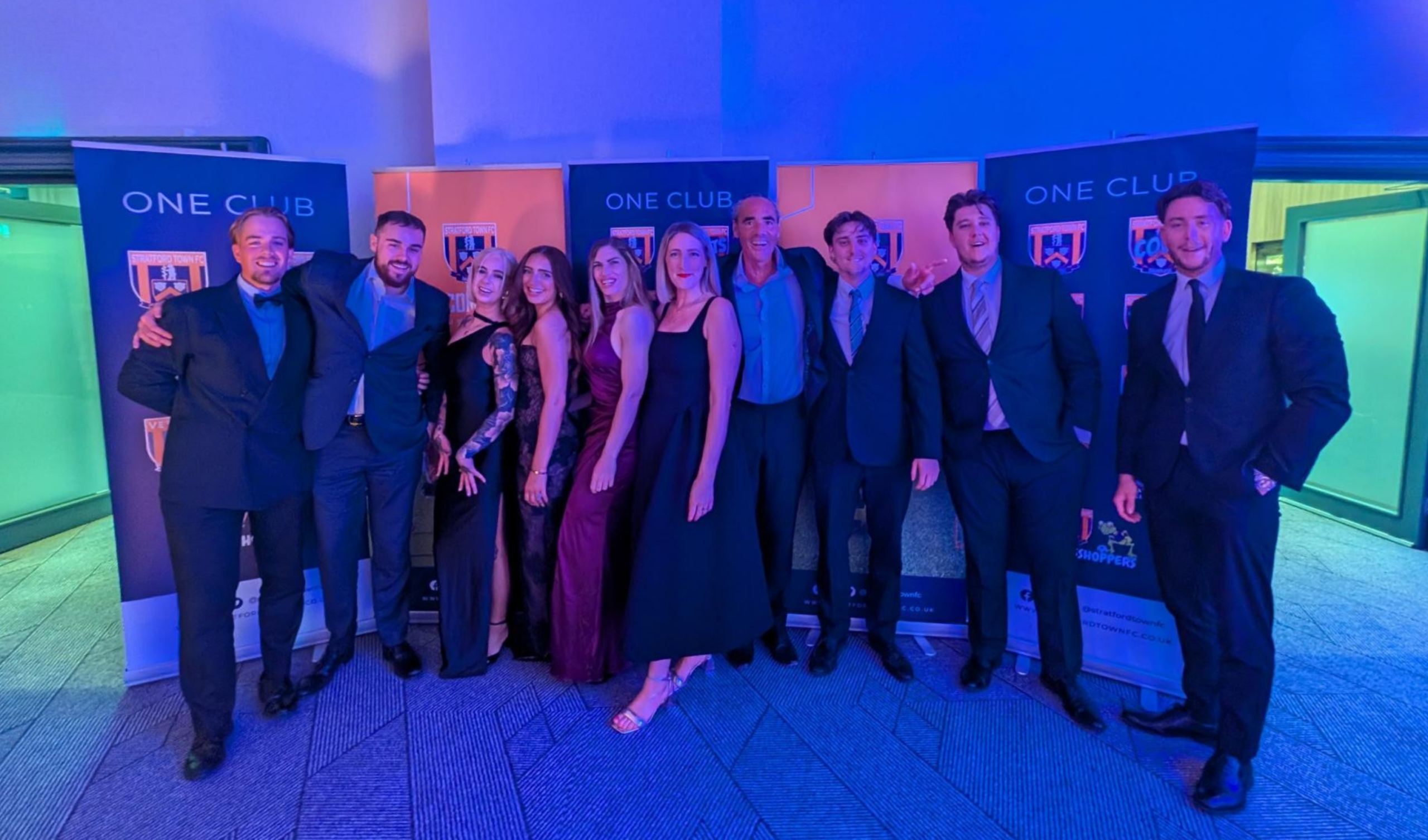
The Wodr team was delighted to attend Stratford Town F.C.’s end-of-season awards evening on Saturday.
Joining players, staff, supporters, and volunteers for a memorable night celebrating another fantastic year for the club.
Football clubs are about far more than what happens on the pitch. They bring communities together, create lasting friendships, and provide opportunities for people of all ages to be part of something special. The awards evening was a perfect reflection of that spirit, recognising the hard work, dedication, and commitment that goes into making Stratford Town F.C. such an important part of the local community.
With the sun shining throughout the evening, guests enjoyed drinks on the terrace before the awards ceremony got underway. It provided a wonderful opportunity for everyone to come together, reflect on the season, and celebrate the achievements of those who have contributed both on and off the field.
As proud supporters of the club, it was particularly pleasing to see Wodr represented during the presentations.
Company Director Mark Edwards had the honour of presenting an award to Fin Brennan, recognising his contribution during the season.
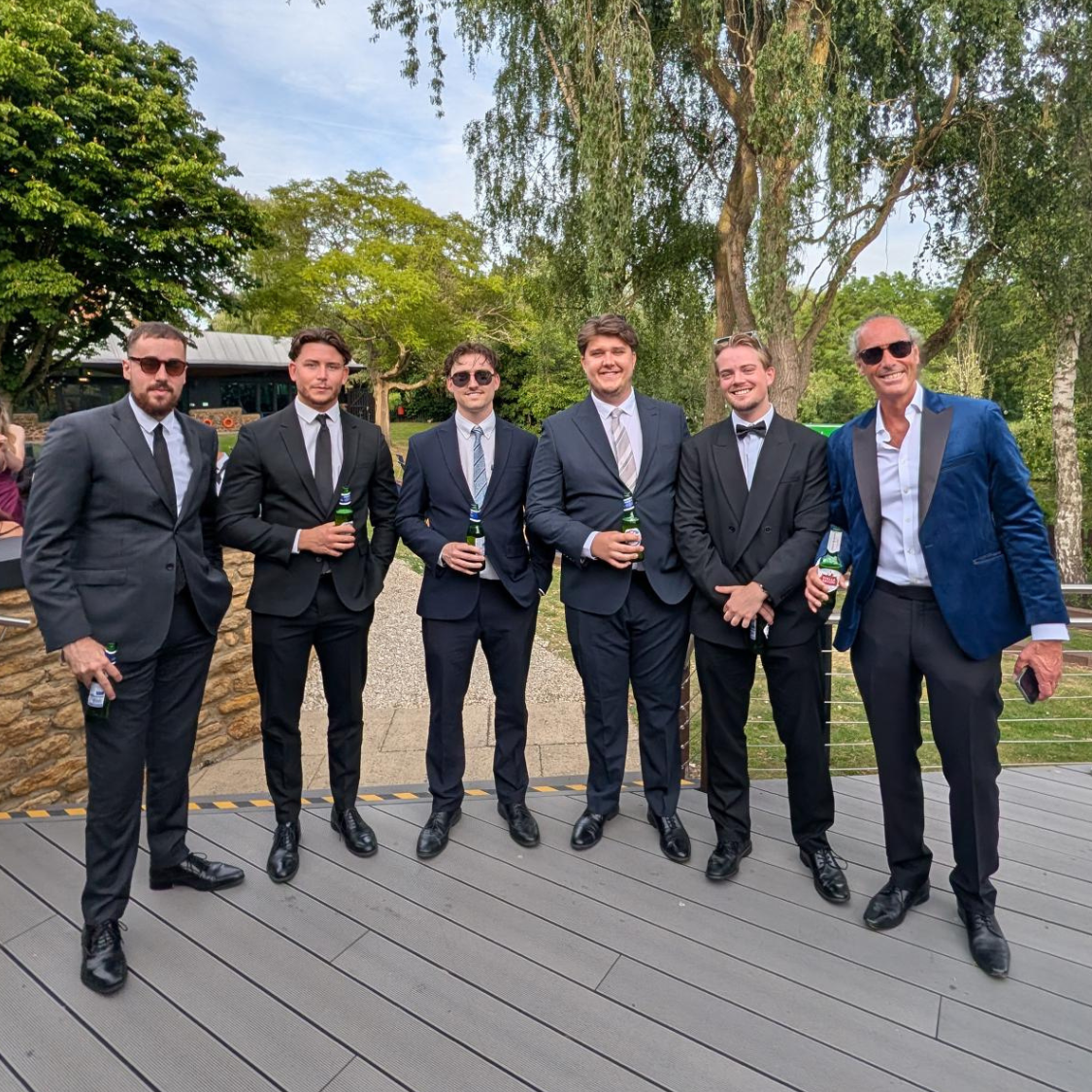

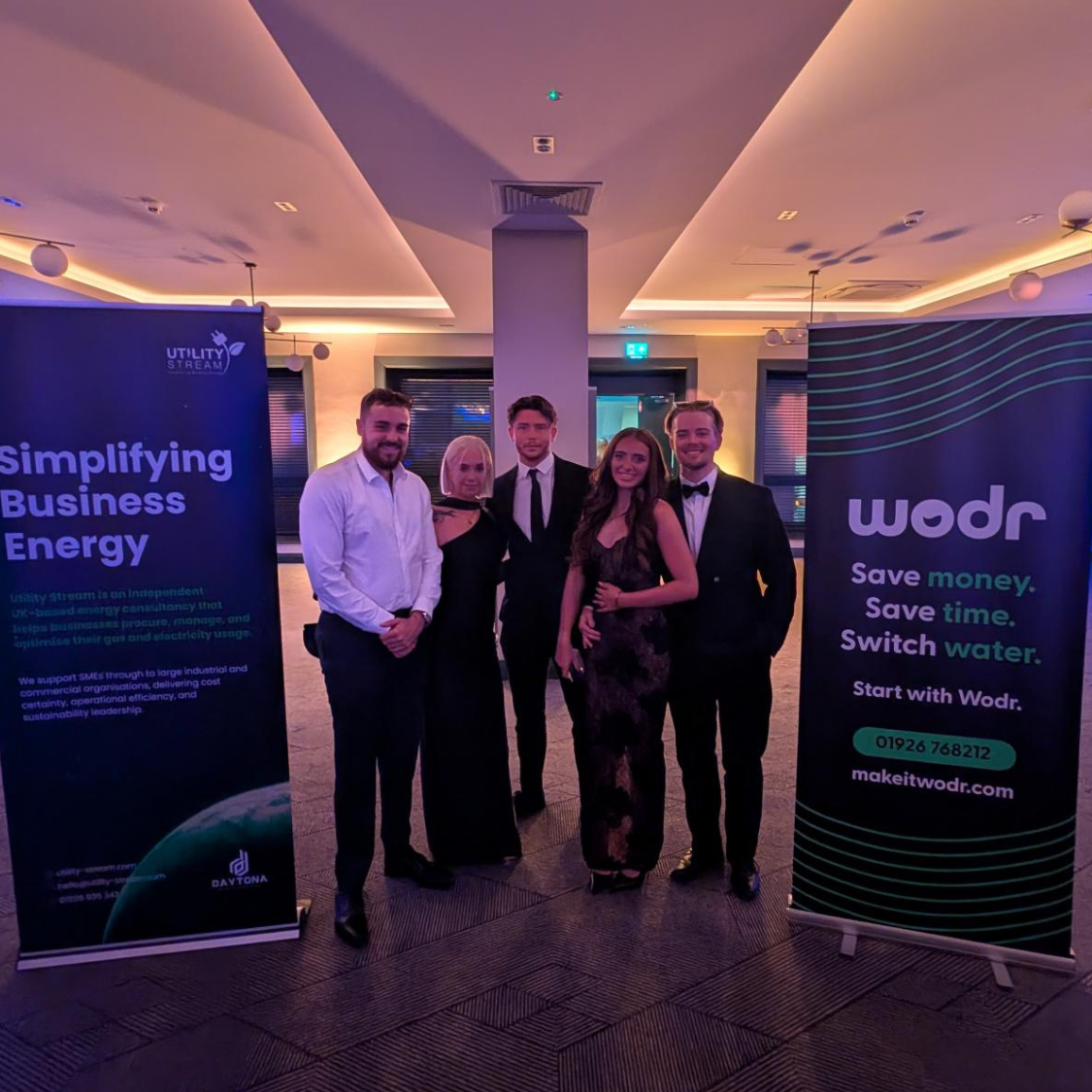







The evening was a fantastic showcase of everything that makes grassroots and non-league football so special. From the players and coaching staff to the volunteers, organisers, and loyal supporters, every individual plays a vital role in the continued success of the club.
We would like to extend our sincere thanks to Steve and the entire Stratford Town F.C. team for organising such an enjoyable and well-run event. Their dedication behind the scenes is a huge part of what makes the club such a success.

Exciting News: The New Kit Is Coming Soon
As a proud sponsor of Stratford Town F.C., we’re also excited to announce that the club’s new kit will be unveiled in the coming weeks.
The new design will proudly feature Wodr as the shirt sponsor, and we can’t wait to see supporters wearing the colours with pride next season.
If you’d like to be among the first to get your hands on the new kit before the World Cup kicks off, keep an eye on our channels and follow this link to hear more about the shirt design and learn how to secure yours.
We look forward to continuing our partnership with Stratford Town F.C. and supporting the club both on and off the pitch for many seasons to come.
Up the Bards! ⚽



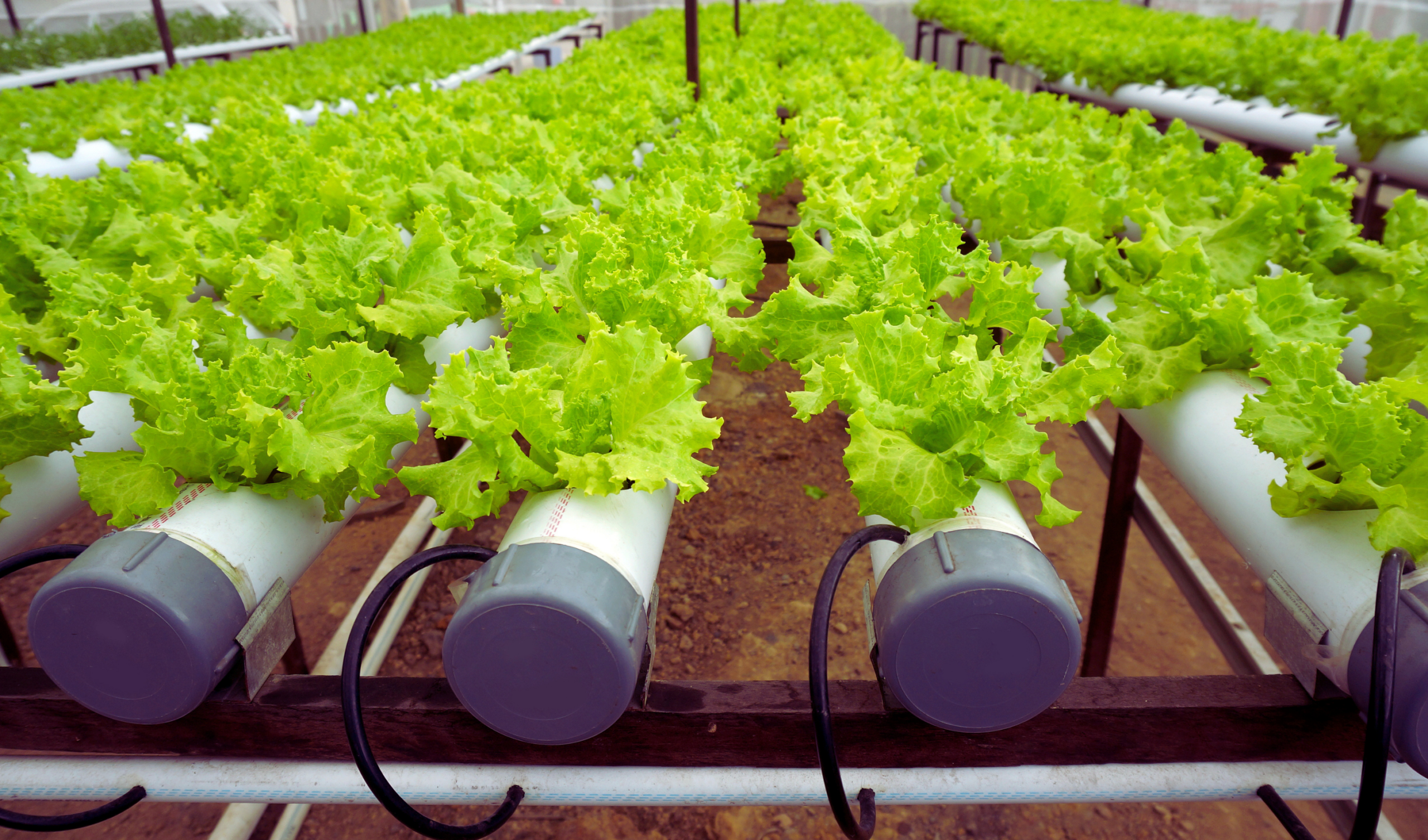
Why Agriculture Businesses Need a Smarter Water Strategy
Agriculture businesses are under growing pressure to manage water more efficiently, comply with environmental regulations, and prepare for long-term sustainability challenges. From irrigation and wastewater to pollution prevention and drought resilience, water management is now a core operational issue across the sector.
For many farms, food producers, horticulture businesses, and agricultural processors, understanding the legislation and sustainability expectations around water use has become essential — not only for compliance, but also for protecting profitability and future growth.
Why Water Management Matters In Agriculture
Water is one of the most critical resources in agriculture. However, increasing demand, climate pressures, rising costs, and tighter regulation mean businesses can no longer afford to take a reactive approach.
Many agriculture businesses are now facing:
- Increased scrutiny around water use and pollution.
- Higher utility and operational costs.
- Pressure from supply chains and retailers to improve sustainability.
- Greater risk from droughts, flooding, and water shortages.
- More complex environmental reporting requirements.
Businesses that proactively manage water use are often better positioned to reduce costs, improve resilience, strengthen compliance, and demonstrate environmental responsibility.
Key Water Legislation Agriculture Businesses Should Understand
Water Resources Act 1991
This legislation governs water abstraction — the process of taking water from rivers, lakes, or groundwater sources.
Agricultural businesses using large volumes of water for irrigation may require abstraction licences and must comply with restrictions during periods of drought or water stress.
Farming Rules for Water
These rules were introduced to reduce pollution from agriculture entering rivers and groundwater.
They focus on:
- Fertiliser and manure application.
- Soil management.
- Preventing runoff.
- Nutrient planning.
Many farms must demonstrate they are taking reasonable steps to prevent pollution and protect surrounding water environments.
Environmental Permitting Regulations
Certain agricultural activities involving waste, slurry, wastewater, or discharges may require environmental permits.
Non-compliance can lead to:
- Fines.
- Enforcement action.
- Reputational damage.
- Operational disruption.
Nitrate Vulnerable Zone (NVZ) Regulations
Businesses operating within NVZ areas must comply with restrictions on:
- Fertiliser application timing.
- Manure storage.
- Nutrient management.
These regulations are designed to reduce nitrate pollution in watercourses.
Environment Act 2021
The Environment Act introduced stronger environmental targets across water quality, biodiversity, and pollution reduction.
For agriculture businesses, this means sustainability expectations are likely to continue increasing over the coming years.
Sustainability Is Now A Commercial Issue In Agriculture
Water sustainability is no longer just about compliance. Increasingly, it is becoming a commercial requirement.
Major retailers, food manufacturers, investors, and supply chain partners are placing greater emphasis on:
- Water efficiency.
- Environmental reporting.
- ESG performance.
- Pollution prevention.
- Sustainable sourcing.
Agriculture businesses that can demonstrate responsible water management are often in a stronger position when securing contracts, funding, and long-term partnerships.
The Importance Of A Water Strategy In Agriculture
Many businesses still manage water reactively — only addressing issues when costs rise or regulations change. However, a clear water strategy can help businesses become more resilient and efficient.
An effective strategy may include:
- Water usage analysis and monitoring.
- Irrigation efficiency improvements.
- Leak detection and infrastructure reviews.
- Sustainability and ESG planning.
- Regulatory compliance support.
- Wastewater and drainage management.
- Cost reduction opportunities.
- Drought and flood resilience planning.
- Smart metering and reporting systems.
How Wodr Can Help
Wodr works with businesses to simplify utility management and support smarter long-term planning.
For agriculture businesses, this means more than simply reducing bills. It means building a practical strategy that supports operational efficiency, compliance, sustainability, and resilience.
Wodr can help by creating a tailored utility strategy that includes:
- Water procurement and cost management .
- Usage monitoring and reporting.
- Efficiency and sustainability planning.
- Support with environmental and regulatory considerations.
- Infrastructure and consumption reviews.
- Risk management and resilience planning.
- Ongoing account and supplier management.
As legislation tightens and sustainability expectations continue to grow, having the right support in place can help agriculture businesses stay compliant, reduce risk, and operate more efficiently for the future.