

Helping A Property Management Team Navigate Complex Utility Procurement With Confidence

Supporting a multi-site commercial property portfolio with straightforward, responsive water and energy brokerage.
Managing water and energy across a commercial property portfolio can be complex. Tenants move in and out, responsibility for supplies changes, contracts expire at different times, and routine administration can quickly become time-consuming.
For Catherine, Facilities Manager at Holloway Iliffe & Mitchell, having a trusted broker provides the expertise and guidance needed to navigate water and energy procurement across a changing portfolio.
Holloway Iliffe & Mitchell manages commercial property on behalf of landlords, with approximately 30 active supplies registered directly to landlords, alongside a further 10–12 supplies where tenants have vacated.
In these cases, the landlord temporarily becomes responsible for the supply until a new tenant takes over and the Change of Tenancy (COT) is processed. This creates an environment where effective water and energy management is about much more than simply finding a competitive price.
The challenge of managing utilities across multiple properties
Managing multiple utility supplies brings a significant administrative burden, particularly when properties regularly change occupancy. Supplier communication, billing, account administration and Changes of Tenancy all need to be managed correctly – and when something goes wrong, resolving it can consume valuable time. Speaking specifically about her experience with energy suppliers, Catherine explains:
“The primary issues we face consistently include administrative friction with billing portals, poor communication, and delays in processing Changes of Tenancy (COTs).”
She also highlights the time that can be lost dealing with routine supplier administration:
“We waste significant time dealing with excessive hold times to reach customer service and navigating repetitive GDPR scripting.”
For Facilities Managers responsible for numerous properties, these issues aren’t isolated inconveniences. They can become an ongoing operational challenge.
That’s where having an experienced water and energy broker can make a difference. Brokerage is about more than switching suppliers Finding the right utility solution doesn’t always mean switching to a new supplier.
For Holloway Iliffe & Mitchell, avoiding unnecessary administrative complications is an important consideration alongside price and contract terms. When it comes to energy, the business has recently chosen to renew with incumbent suppliers where appropriate. Catherine explains:
“This approach entirely eliminates the administrative burden of resolving final invoices from outgoing suppliers. It also prevents data flow-form errors and incorrect meter readings during transitions, thereby successfully eliminating subsequent billing disputes.”
This reflects an important part of Wodr’s approach to water and energy brokerage. Our role isn’t simply to recommend a switch. It’s to understand how a customer’s portfolio operates, assess the available options and provide guidance on the approach that makes commercial and operational sense. Sometimes that may mean moving supplier. In other circumstances, remaining with the incumbent may be the better option.
Bringing expertise to property management water and energy procurement
Facilities Managers have a huge range of responsibilities, and they can ‘t be expected to be experts in every aspect of the water and energy markets. Having access to specialist knowledge is therefore an important part of the broker relationship.
As Catherine explains:
“As someone who is not au fait with energy procurement, I must rely entirely on the expertise and professional guidance of a broker.”
For Wodr, that means making complex utility decisions easier to understand and providing customers with clear, practical advice. Catherine particularly values the communication and transparency she receives:
“Highly communicative, always provides prompt answers, and is completely transparent and straight down the line.”
These are principles we aim to deliver across the Wodr team and across both water and energy brokerage (via Utility Stream): responsive communication, specialist knowledge, transparency and straightforward advice.
Supporting a changing commercial property portfolio
Property portfolios aren’t static. Tenants leave, new occupiers arrive and landlords can temporarily become responsible for water and energy supplies during vacant periods. For Holloway Iliffe & Mitchell, this means utility requirements can change throughout the year.
Having a broker that understands this environment provides continuity. Rather than looking at an individual water or energy contract in isolation, we can consider the wider portfolio and help customers navigate procurement and renewals as their requirements evolve.
The value of that relationship isn’t measured solely by a percentage saving. It’ s also about having access to expertise when it’ s needed and a team that understands the complexities involved in managing utilities across multiple commercial properties.
Making commercial utilities simpler for property management teams
At Wodr, we help businesses navigate water procurement with clear advice, responsive service and a focus on finding the right solution for their circumstances.
For property and Facilities Management teams in particular, that means understanding that utility management doesn’t begin and end with securing a contract. From changing occupancies and multiple sites to procurement decisions and renewals, our aim is to make managing commercial water and energy simpler.
Managing water and energy across multiple commercial properties?
Talk to our team today about how our water and energy brokerage team can support your portfolio.


What Are Surface Water Drainage Charges? A Guide for UK Businesses

Surface water drainage is one of the most commonly misunderstood charges on a business water bill.
Unlike metered water charges, it isn’t necessarily related to how much water your business consumes. Instead, surface water drainage (SWD) is the charge associated with rainwater from your property entering the public sewer network.
For businesses with large roofs, car parks, loading yards and other hard surfaces, this can become a significant annual cost.
What Is Surface Water Drainage?
When rain falls onto a commercial property, it has to go somewhere.
Rain falling onto roofs, car parks and hardstanding may enter drains that eventually connect to the public sewer system. The wastewater wholesaler has to provide infrastructure capable of receiving and managing that water.
This creates the surface water drainage charge.
A simple example is:
Rain → Roof → Gutter → Drain → Public Sewer
However, not every property drains this way.
Rainwater could instead enter a:
- soakaway;
- infiltration system;
- Sustainable Drainage System (SuDS);
- watercourse;
- rainwater harvesting system; or
- other private drainage arrangement.
Where water does not ultimately enter the public sewer, this can potentially affect how the property should be charged.
Ofwat advises businesses to check whether areas that drain naturally have been included within their chargeable site area.
Who Is Most Affected?
Surface water drainage deserves particular attention where a business occupies a large physical site, regardless of how much mains water it consumes.
Examples include:
- warehouses and distribution centres;
- manufacturing sites;
- retail parks and supermarkets;
- industrial estates;
- schools and universities;
- hospitals;
- hotels and leisure facilities;
- vehicle depots; and
- large offices with extensive car parking.
Consider a warehouse using relatively little mains water but occupying a 20,000 m² site.
Its water consumption may be modest, but thousands of square metres of roof, yard and parking could generate significant quantities of surface water.
This is why businesses should not assess their water costs purely by looking at consumption.
Surface Water Drainage vs Highway Drainage
These charges are easily confused.
Surface water drainage relates to rainwater from your property entering the public sewer.
Highway drainage relates to rainwater from public roads and highways entering the sewer network.
Reducing or removing surface water drainage from a property does not therefore automatically remove highway drainage charges.
Why Should Businesses Check Their Charges?
The information used to calculate a property’s drainage charges may not always reflect what is happening on the ground today. Properties are extended. Land is sold. Car parks are resurfaced. Drainage systems are altered. Soakaways are installed. Buildings are demolished. If the charging information isn’t updated accordingly, the business could potentially continue paying based on an outdated assessment.
For larger businesses and multi-site organisations, even relatively small inaccuracies can accumulate into substantial unnecessary expenditure. The first question is therefore simple:
Where does the rainwater from your property actually go?
If the answer doesn’t match the assumptions behind your water bill, the charges may be worth investigating.
Hosepipe Bans Are the Warning Light – The Bigger Story Is Water Scarcity
Every summer it seems to happen.
Temperatures climb, reservoirs fall, and another hosepipe ban makes the headlines. For many people, it’s an inconvenience. For businesses, it’s easy to dismiss as something that doesn’t really affect them.
But recurring hosepipe bans are worth paying attention to—not because they stop people watering their gardens, but because they are an early warning sign of a much bigger challenge.
The question isn’t whether we’ll see another hosepipe ban next summer. The question is what happens when these become a regular feature of life in the UK.
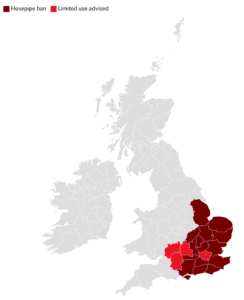
Hosepipe ban map | Independent
A Hosepipe Ban Isn’t the Problem
Water companies introduce Temporary Use Bans (hosepipe bans) to reduce demand during periods of prolonged dry weather. Restricting non-essential household use helps preserve supplies while keeping water flowing to homes, hospitals and businesses.
In isolation, they’re a sensible short-term measure.
The concern is that we’re seeing them more frequently.
Hotter summers, changing rainfall patterns, population growth and ageing infrastructure are all placing greater pressure on the UK’s water network. While winter rainfall can still be significant, longer dry spells mean reservoirs and groundwater don’t always recover as quickly as they once did.
The result is a system with less resilience.
Water Is Becoming a Business Risk
Most businesses won’t be directly affected by a hosepipe ban today.
But water scarcity doesn’t begin when taps run dry—it begins when reliability becomes less certain.
For organisations that depend on water, whether for manufacturing, food production, hospitality, healthcare or construction, even modest restrictions can create operational challenges.
Businesses may face:
- Rising water costs as investment in infrastructure increases.
- Greater scrutiny of water consumption.
- Pressure to improve efficiency and reduce waste.
- Potential restrictions during prolonged droughts.
- Supply chain disruption as suppliers face their own water challenges.
Just as energy security has become a board-level discussion over the past few years, water security is steadily moving in the same direction.
The Hidden Cost of Water Scarcity
Water doesn’t need to disappear for businesses to feel the impact.
Imagine a food manufacturer whose suppliers experience irrigation restrictions. Crop yields fall, raw material prices rise, and production costs increase throughout the supply chain.
Or consider a manufacturer that relies heavily on water for cooling or cleaning. If drought measures limit abstraction or increase operational costs, production becomes more expensive.
The knock-on effects are felt far beyond the businesses directly using large volumes of water.
Water scarcity becomes an economic issue rather than simply an environmental one.
Investing in Resilience
Addressing water scarcity will require significant investment.
Across the UK we’re already seeing plans for:
- New reservoirs.
- Water recycling schemes.
- Smarter water networks.
- Leakage reduction programmes.
- Interconnected regional supply networks.
- Greater use of digital monitoring and analytics.
These investments improve resilience, but they also come at a cost that will inevitably be reflected in future water bills.
For businesses, understanding and managing water use is becoming increasingly important—not just from a sustainability perspective, but from a financial one.
What Businesses Can Do Today
The organisations best prepared for the future won’t necessarily be those using the least water—they’ll be the ones that understand it.
That means:
- Monitoring consumption across sites.
- Identifying hidden leaks and inefficiencies.
- Benchmarking usage against similar organisations.
- Reviewing tariffs and supply arrangements.
- Investing in water efficiency where it delivers measurable returns.
Small improvements made today can reduce costs and improve resilience tomorrow.
Looking Beyond the Headlines
A hosepipe ban is visible. Water scarcity is gradual.
One makes the news for a few weeks; the other has the potential to reshape how businesses think about one of their most fundamental resources. As climate pressures continue and demand grows, water will increasingly be viewed in the same way organisations now think about energy: something to monitor, optimise and manage strategically.
For businesses, the message is simple.
Don’t wait until water becomes a problem. Start treating it as a resource worth managing today.

5 Ways Schools Can Check for Water Leaks During the Summer Holidays

The summer holidays give schools a valuable opportunity to carry out checks that can be difficult to complete during a busy term.
One of the most useful is checking for water leaks.
When pupils and most staff are away, water use should fall considerably. This makes it much easier to notice unusual consumption and identify potential problems before they lead to higher bills, wasted water or damage to the building.
At Wodr, we help schools understand and manage their water use more effectively. A simple leak check during the summer can be a practical first step.
Why is the summer break a good time to check?
During term time, schools use water throughout the day.
Toilets, kitchens, classrooms, science rooms, sports facilities and cleaning teams all contribute to normal consumption. With so much activity, it can be difficult to tell whether extra water use is caused by everyday operations or by a leak.
During the holidays, expected usage is much lower.
If the water meter continues to show steady or significant consumption when the site is mostly empty, this may suggest that water is being lost somewhere within the system.
Where might leaks occur?
Some leaks are easy to spot, while others can remain hidden for a long time.
Common areas to check include:
- Toilet cisterns that continue to run
- Taps that drip or do not close properly
- Urinals with faulty controls
- Underground pipework
- Outdoor taps and irrigation systems
- Storage tanks and float valves
- Heating and cooling equipment
- Older or damaged internal pipework
Even a small leak can waste a surprising amount of water if it continues for several weeks.
How can schools check for leaks?
1. Take a meter reading
Record the water meter reading before the school closes or at the start of a quiet period.
Taking a clear photograph can be helpful.
Check the meter again after a few days when little or no water should have been used. An unexplained increase may need further investigation.
2. Look at overnight water use
Schools with automated meter reading or online consumption data may be able to review hourly or half-hourly usage.
During the holidays, water use should usually fall very low overnight. A steady flow during periods when the building is empty can be a sign of a leak or an appliance that has been left running.
3. Walk through toilets and washrooms
Toilets are a common source of hidden water waste.
A cistern may continue to refill quietly, or water may trickle into the toilet pan without being immediately noticeable.
Listen for running water and check whether any toilets, taps or urinals appear to be operating when they should not be.
4. Check outdoor areas
Inspect outdoor taps, irrigation equipment, valve covers and visible pipework.
Unusually wet ground, standing water or a particularly green patch of grass during dry weather may indicate an underground leak.
5. Review recent bills and usage
Compare recent water consumption with the same period in previous years.
A noticeable increase that cannot be explained by building work, lettings or summer activities may point to a problem.
Why is early detection important?
Finding a leak early can help a school avoid unnecessary cost and disruption.
Leaks can:
- Increase water and wastewater charges.
- Cause damp, mould or structural damage.
- Waste large volumes of treated water.
- Affect sustainability targets.
- Lead to repair work during term time.
The sooner a possible leak is identified, the easier it is to investigate and resolve before pupils and staff return.
How Wodr can support schools
Wodr helps schools, academies and multi-academy trusts gain a clearer view of their water use.
By reviewing bills, consumption patterns and meter data, we can help identify unusual usage and highlight areas that may need further attention.
Where specialist investigation is required, we can also help connect schools with trusted leak detection and water management partners.
The summer holidays offer a quieter period in which to carry out these checks. A simple meter reading and a walk around the site could help prevent water waste, reduce costs and avoid an unexpected problem in September.
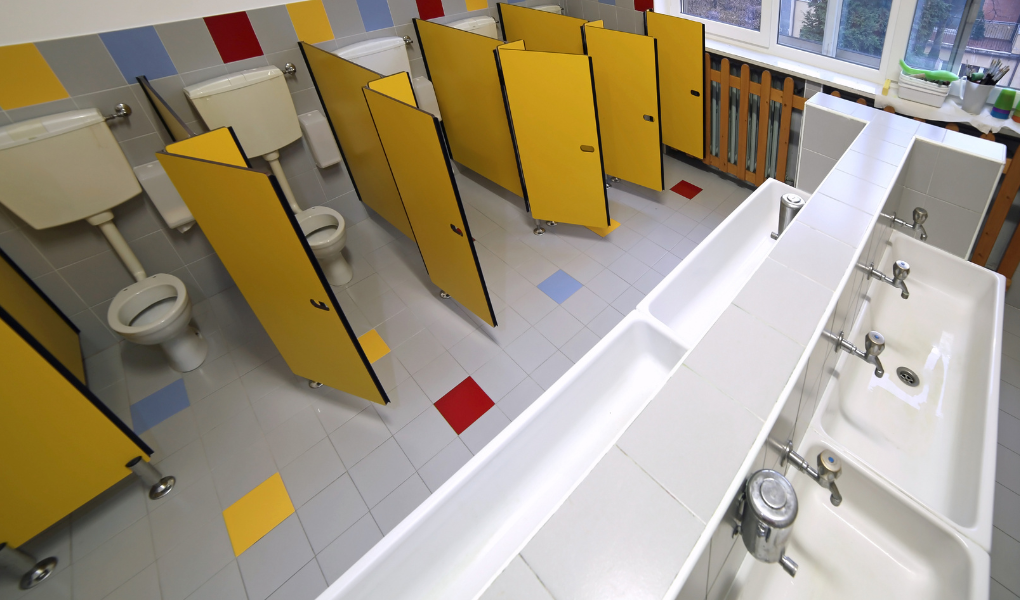
School Summer Holidays: How to Maintain Water Hygiene During the Six-Week Break

Every summer, schools across the UK prepare for one of their longest periods of reduced occupancy. While classrooms may sit empty, your water system shouldn’t be forgotten.
Six weeks of little or no water use creates the perfect conditions for water stagnation, increasing the risk of bacteria such as Legionella developing within pipework, storage tanks and outlets.
For school business managers, estates teams and facilities professionals, maintaining good water hygiene throughout the summer break is an essential part of health and safety compliance. At Wodr, we help organisations manage their water services efficiently. Here’s what every school should be doing to keep their water systems safe over the holidays.
Why does water hygiene matter?
When water remains stagnant for extended periods, its temperature can rise into the range where bacteria thrive. Legionella bacteria, which can cause Legionnaires’ disease, multiply most readily in warm, stagnant water.
Schools are responsible for managing this risk under the Health and Safety at Work Act, COSHH Regulations, and the Health and Safety Executive’s Approved Code of Practice L8.
Good water hygiene isn’t simply about compliance—it protects staff, contractors and pupils when buildings return to normal use.
Before the school closes
Preparation should begin before the final day of term.
A comprehensive pre-holiday inspection should include:
- Reviewing the school’s Legionella risk assessment.
- Identifying areas that will receive little or no water use during the holiday.
- Confirming hot water is stored at 60°C or above, with distribution temperatures reaching at least 50°C at outlets where appropriate.
- Checking that cold water remains below 20°C where practicable.
- Ensuring any water treatment equipment, filters or softeners are operating correctly.
- Isolating or removing redundant pipework or unused outlets where possible.
Taking these steps before the building empties helps reduce risks throughout the closure period.
Should schools flush their water systems during the holidays?
In most cases, yes.
Although the Health and Safety Executive does not specifically require weekly flushing, it does require schools to implement suitable control measures based on their Legionella risk assessment.
For many schools, weekly flushing remains the simplest and most effective way of preventing prolonged water stagnation.
During the holiday period, responsible staff or contractors should flush all infrequently used outlets, including:
- Classroom taps.
- Washroom facilities.
- Showers and changing rooms.
- Drinking water fountains.
- Kitchen sinks.
- Science laboratory outlets.
- Cleaner’s sinks.
- External hose connections.
Both hot and cold water should be flushed until fresh water has fully circulated through the system, typically between two and five minutes depending on the size of the building.
Each flush should be recorded in a maintenance log, noting the date, outlet and person carrying out the task.
Don’t forget showers
Showers present a higher risk because they create fine water droplets that can be inhaled.
Before schools reopen:
- Remove and clean shower heads where required.
- Descale and disinfect them in line with your water hygiene programme.
- Flush showers thoroughly before allowing them to be used.
If showers are flushed during the holidays, care should be taken to minimise aerosol generation wherever possible.
Preparing for September
The recommissioning process before staff and pupils return is arguably the most important stage of the school’s water hygiene programme.
Before reopening, schools should:
- Flush every water outlet throughout the building.
- Check hot and cold water temperatures at sentinel outlets.
- Verify water heaters are operating correctly.
- Restart any equipment that was isolated during the closure.
- Inspect storage tanks where required.
- Complete any scheduled maintenance identified in the Legionella risk assessment.
Where significant changes have been made to the water system—or concerns have been identified—additional microbiological sampling may also be recommended by your competent water hygiene contractor.
Keep accurate records
Water hygiene management doesn’t end with carrying out the work.
Schools should maintain clear records of:
- Weekly flushing activities
- Temperature monitoring
- Cleaning and disinfection of shower heads
- Water system inspections
- Maintenance and remedial works
- Any issues identified and actions taken
These records provide evidence that the school is effectively managing its legal responsibilities and can prove invaluable during inspections or audits.
How Wodr can help
Managing water hygiene involves more than simply paying your water bill.
As a specialist business water utilities broker, Wodr works with schools, academies and multi-academy trusts to help them manage every aspect of their water services. Alongside helping organisations secure competitive water contracts, we can connect customers with trusted water hygiene specialists, support effective water management, identify opportunities to reduce water consumption and improve operational efficiency across their estates.
Whether you’re responsible for a single primary school or an entire academy trust, taking a proactive approach to water hygiene helps protect your people, remain compliant and ensure your buildings are ready for a safe return in September.
Need support with your school’s water services?
If you’d like advice on water management, supplier performance or reducing water costs across your education estate, the Wodr team is here to help.

Delivering Smarter Utility Procurement for The Box Factory

The Challenge
Like many manufacturers, The Box Factory was facing increasing pressure from rising utility costs alongside growing sustainability and compliance requirements. Managing contracts across multiple utility providers had become time-consuming, while carbon reporting obligations demanded greater visibility and expertise.
They needed a trusted partner that could reduce costs across water and energy, simplify utility management, and provide the reporting needed to support their sustainability objectives—all without disrupting day-to-day operations.
The Solution
Working together, Wodr and our sister company, Utility Stream, delivered a fully managed utility procurement solution.
Rather than asking The Box Factory to deal with multiple contacts for different services, we assigned one dedicated Account Manager to oversee the entire project. From water procurement through to gas, electricity and ongoing support, every aspect was managed through a single point of contact.
We know how frustrating it can be having to repeat conversations to different suppliers and account managers. That’s why our joined-up approach gives customers one trusted expert who understands their business and manages every stage of the process.
Following a comprehensive review of the site’s utility portfolio, we:
- Procured a new competitive water contract through Wodr.
- Tendered and secured new gas and electricity contracts through Utility Stream.
- Optimised Meter Operator (MOP) arrangements to reduce metering costs.
- Introduced bespoke CO₂ reporting through our Daytona platform to support sustainability reporting and compliance.
The result was a streamlined utility strategy that delivered significant savings while improving visibility and reducing administrative burden.
The Results
The Box Factory achieved substantial savings across its entire utility portfolio:
- Water: £1,515 saved over the contract term.
- Electricity: £68,500 saved through our competitive tender process.
- Gas: £62,310 saved through our competitive tender process.
- MOP Contract: £550 saved through optimised metering arrangements.
Total Savings: £133,075
These savings were delivered without any disruption to operations, while ensuring full compliance through optimised MOP contracts and comprehensive CO₂ reporting via Daytona.
Client Testimonial
“Ollie and his team have been a breath of fresh air, having been let down by our previous energy brokers. They have been able to reduce our utility bills significantly with savings in places we didn’t even know existed.
They insisted on gaining a deep understanding of our business so that their advice could be tailored to our specific industry requirements. We feel like we can trust them with all our future energy requirements.”
A Better Way to Manage Utilities
This project demonstrates the value of bringing water and energy procurement together under one dedicated Account Manager. By combining the expertise of Wodr and Utility Stream, The Box Factory benefited from lower costs, simplified account management, and the confidence that every aspect of their utilities was being managed by a team that understood their business.
How Do Water Companies Forecast Demand – And Why Should Your Business Care?
When most businesses think about utilities, water demand is often overlooked. Unlike energy, where usage and costs are closely monitored, water consumption can remain hidden until a bill arrives or a leak becomes a costly problem.
However, the same metrics water companies use to forecast demand can provide valuable insights for businesses looking to reduce costs, improve efficiency, and ensure they’re on the most suitable water contract.
Terms such as ADD, MDD, PCC, and WRMP may sound technical, but understanding them can help organisations better manage consumption, identify waste, and make more informed decisions about their water services.
Let’s take a look at what they mean and why they matter.
What Is Water Demand?
Water demand is simply the amount of water expected to be used over a given period.
For businesses, understanding demand is important because it can help:
- Identify unusually high consumption.
- Detect leaks or operational inefficiencies.
- Forecast future utility costs.
- Support sustainability targets.
- Ensure the right water tariff or contract is in place.
The more accurately you understand your water usage profile, the easier it becomes to control costs.
What Does ADD Mean?
ADD stands for Average Daily Demand.
This is the average amount of water used each day over a specified period, usually a year.
Think of ADD as your business’s typical daily water requirement.
Understanding ADD allows businesses to:
- Benchmark usage across sites.
- Track trends over time.
- Measure the impact of efficiency projects.
- Forecast annual water expenditure.
For multi-site organisations, ADD can quickly highlight locations that are consuming more water than expected.
What Does MDD Mean?
MDD stands for Maximum Daily Demand.
This represents the highest level of water use recorded on a single day.
For businesses, MDD can reveal important operational patterns, such as:
- Seasonal peaks in activity.
- Irrigation requirements.
- Manufacturing process demands.
- Unexpected spikes caused by leaks or equipment faults.
Understanding MDD can help ensure your water supply arrangements align with your operational requirements while also identifying opportunities to smooth demand and reduce waste.
Why Is MDD Important?
Many businesses focus on average consumption, but peak demand often tells a different story.
A site with a relatively low ADD but frequent spikes in usage may have hidden inefficiencies or operational issues that would otherwise go unnoticed.
Monitoring MDD can help businesses:
- Investigate abnormal consumption events.
- Improve operational planning.
- Reduce unnecessary water use.
- Better understand site performance.
In some cases, reducing peak demand can contribute to lower overall costs and improved efficiency.
What Is PCC?
PCC stands for Per Capita Consumption.
This measures the average amount of water used by each person per day.
For commercial organisations, PCC can be adapted to assess water use per employee, resident, student, guest, or customer depending on the sector.
PCC is particularly useful because it allows businesses to compare performance fairly, regardless of site size.
For example:
- Two office buildings may use similar volumes of water.
- But if one has half the number of employees, its PCC will be significantly higher.
This type of analysis helps identify sites where water-saving opportunities may exist.
Why Do Businesses Benefit From Tracking PCC?
Monitoring PCC can help organisations:
- Benchmark sites against industry averages.
- Support ESG and sustainability reporting.
- Identify inefficient facilities.
- Measure the success of water-saving initiatives.
- Reduce operational costs.
As environmental reporting becomes increasingly important, understanding water use on a per-person basis is becoming a valuable management tool.
What Is a WRMP?
WRMP stands for Water Resources Management Plan.
These are long-term plans developed by water companies to ensure there will be enough water available for future demand.
WRMPs consider factors such as:
- Population growth.
- Climate change.
- Future water demand.
- Available water resources.
- Infrastructure investment.
While WRMPs are primarily produced by water companies, they can provide useful insight into future water availability and potential pressures affecting businesses in specific regions.
How Do ADD, MDD, PCC and WRMPs Work Together?
These measures each provide a different perspective on water consumption.
PCC
How much water each person uses.
ADD
Your typical daily water demand.
MDD
Your highest demand days and operational peaks.
WRMP
The wider picture of how future supply and demand will be managed.
Together, they help businesses understand not only how much water they use, but how efficiently they use it and where opportunities for improvement may exist.
Why Understanding These Metrics Can Save Your Business Money
Many organisations don’t have a clear picture of their water consumption patterns.
Without that visibility, businesses can end up:
- Paying for water they don’t need.
- Missing hidden leaks.
- Operating inefficient equipment.
- Struggling to benchmark sites.
- Sitting on unsuitable contracts or tariffs.
By analysing usage through metrics such as ADD, MDD and PCC, businesses can make more informed decisions, reduce waste, and potentially lower their water costs.
How Wodr Can Help
Understanding water data is one thing. Turning it into actionable savings is another.
Wodr helps businesses gain greater visibility of their water consumption by analysing usage patterns, identifying anomalies, and highlighting opportunities to improve efficiency.
By assessing metrics such as Average Daily Demand (ADD), Maximum Daily Demand (MDD) and Per Capita Consumption (PCC), WODR can help organisations:
- Identify leaks and unnecessary consumption.
- Benchmark site performance.
- Reduce water costs.
- Improve sustainability reporting.
- Understand future demand requirements.
- Ensure they’re on the most appropriate water contract for their usage profile.
With better data comes better decisions—and ultimately, lower costs, improved efficiency, and greater control over one of your most overlooked utilities.

Why Water Management Is Essential For Legionella Prevention In Hospitality

Water management plays a vital role in every hospitality business. Hotels, restaurants, spas, leisure centres and resorts all rely on safe, clean water every day. However, poor water management can create the perfect conditions for Legionella bacteria to grow.
A proactive approach protects your guests, your staff and your reputation. It also helps you meet your legal responsibilities and avoid costly disruption.
What Is Legionella?
Legionella is a type of bacteria that naturally exists in freshwater. Problems arise when it enters man-made water systems and begins to multiply.
People can become ill by inhaling tiny water droplets that contain the bacteria. These droplets can come from showers, taps, spa pools, cooling systems and decorative fountains.
Hospitality businesses often have large and complex water systems. This makes effective water management even more important.
What’s The Risk For Hospitality Businesses?
Hotels and other hospitality venues have many features that increase the risk of Legionella.
These include:
- Large hot and cold water systems.
- Guest bedrooms with ensuite bathrooms.
- Spa pools and leisure facilities.
- Low-use or vacant rooms.
- Seasonal fluctuations in occupancy.
- Water storage tanks and long pipework.
When water remains stagnant or reaches the wrong temperature, Legionella can multiply. Without regular monitoring, these risks can go unnoticed.
How Good Water Management Prevents Legionella
Good water management reduces the conditions that allow Legionella to grow.
An effective water management programme should include:
- Regular temperature monitoring.
- Flushing little-used outlets.
- Inspecting water storage tanks.
- Cleaning and disinfecting water systems.
- Removing dead legs where possible.
- Keeping accurate maintenance records.
- Reviewing risk assessments regularly.
These measures help keep water systems safe throughout the year.
Build a Proactive Water Management Strategy
The best hospitality businesses don’t wait for problems to arise. They build a water management strategy that reduces risk before it becomes an issue.
A proactive approach supports Legionella compliance while improving the performance of your water systems. Regular monitoring, planned maintenance and accurate records help demonstrate that risks are under control. They also provide valuable evidence during inspections or audits.
However, effective water management goes beyond compliance. It helps hospitality businesses:
- Protect guests and employees.
- Reduce the risk of Legionnaires’ disease.
- Cut unnecessary water waste.
- Improve operational efficiency.
- Extend the lifespan of water assets.
- Avoid unexpected maintenance costs.
- Protect their reputation.
Make Legionella Part of Your Water Management Strategy
Legionella prevention should never become an afterthought. It should form part of a wider water management strategy that supports safety, efficiency and sustainability.
Regular monitoring, planned maintenance and accurate water data all contribute to healthier water systems. Together, they help hospitality businesses reduce risk while improving day-to-day operations.
At Wodr, we help hospitality businesses take control of their water management. From understanding water usage to identifying opportunities for greater efficiency, our expertise helps businesses manage water more effectively while supporting safer, more resilient operations.

UK's Heatwave Is More Than a Weather Story: What It Means for Businesses and Their Water Supply

As the UK experiences one of its most intense June heatwaves on record, with temperatures forecast to approach 39°C in parts of England, businesses are feeling the effects far beyond uncomfortable offices and rising air conditioning costs. The current extreme heat is putting unprecedented pressure on water networks, energy systems, infrastructure and business operations across the country.
For many organisations, water is becoming one of the most overlooked business risks of the summer.
Demand Surges During UK Heatwave
Hot weather drives a dramatic increase in water consumption. People drink more, businesses use more water for cooling, and sectors such as hospitality, leisure, manufacturing and construction often see higher operational demand.
The impact is already being felt in the South East. South East Water, which serves parts of Hampshire, Surrey, Berkshire, Kent and Sussex, has urged customers to use water only for essential purposes due to exceptionally high demand caused by the ongoing heatwave.
While many businesses assume water is always available when they need it, periods of extreme demand can create pressure issues, supply constraints and operational challenges.
The Cost Impact Starts Immediately
The most obvious effect is increased consumption.
Businesses may see:
- Higher water bills.
- Increased wastewater charges.
- Greater energy costs associated with cooling systems.
- Additional maintenance requirements for cooling equipment.
The current heatwave is also pushing up electricity demand nationally, with Great Britain’s grid operator issuing a rare summer notice requesting additional generation capacity to meet demand. This means businesses are often facing higher water and energy consumption simultaneously.
For facilities managers and finance teams, utility costs can rise significantly during prolonged periods of extreme heat.
Operational Risks Are Growing
Many organisations still view water resilience as a concern for drought years rather than heatwaves. However, recent events suggest that mindset needs to change.
Earlier this year, thousands of customers in South East England experienced low pressure and water outages during periods of exceptionally hot weather and record demand. Some businesses were forced to close or alter operations because they simply could not access the water they needed.
For businesses that rely on water for:
- Production processes.
- Cleaning and sanitation.
- Cooling systems.
- Catering and hospitality services.
- Customer facilities.
Even a short interruption can have serious consequences.
Water Restrictions Are No Longer Theoretical
The current heatwave has already prompted warnings about non-essential water use, and some areas have introduced restrictions as demand continues to rise. Water companies are increasingly asking customers to reduce discretionary consumption to protect supplies and maintain network stability.
While restrictions often focus on domestic activities, businesses should not assume they are unaffected.
Organisations with landscaping, irrigation, vehicle washing, leisure facilities or other water-intensive activities should review local guidance and consider contingency plans if restrictions become more widespread.
Employee Wellbeing Depends On Water Too
Heat resilience and water resilience are closely linked.
Businesses must ensure:
- Adequate drinking water supplies.
- Effective cooling measures.
- Appropriate welfare arrangements for outdoor workers.
- Flexible working practices where necessary.
The UK Health Security Agency has warned that the current conditions pose health risks beyond traditionally vulnerable groups, highlighting the need for employers to take heat-related risks seriously.
A Glimpse Of The Future
Perhaps the most important takeaway from this week’s weather is that it is unlikely to be an isolated event.
Experts have repeatedly warned that hotter summers, more frequent heatwaves and greater pressure on water resources are becoming part of the UK’s long-term climate reality. Recent heatwaves have already exposed vulnerabilities in water infrastructure and demonstrated how quickly demand can exceed expectations.
Businesses that understand their water dependency today will be better prepared for future disruptions.
What Businesses Should Be Doing To Prepare For A Heatwave
The current heatwave is a useful reminder to review water resilience before a supply issue becomes a business issue.
Key questions include:
- Do we know where our highest water consumption occurs?
- Could our operations continue if supply was reduced?
- Have we identified opportunities to improve efficiency?
- Do we have a plan if restrictions or outages occur?
- Are we monitoring utility usage closely during peak demand periods?
Get In Touch
This week’s heatwave isn’t just a weather event. It’s a stress test for the UK’s infrastructure and a reminder that water is becoming an increasingly important business resource. For organisations across the country, the question is no longer whether extreme heat can affect operations—it’s whether they’re prepared when it does.
Businesses that treat water resilience as a strategic issue today will be in a far stronger position when the next heatwave arrives. If you want to be prepared, get in touch with our expert team today.
What Is a SPID and Why Does Your Business Need to Know About It?
If you’ve ever looked at a business water bill and come across the term SPID, you may have wondered what it means and whether it’s important.
The short answer? Yes.
A SPID is one of the most important pieces of information linked to your business water supply. Understanding what it is can help you manage your water services more effectively, resolve billing issues faster, and make switching water retailers much simpler.
What Is a SPID?
SPID stands for Service Provider ID.
Every eligible business water supply point in England’s non-household water market has its own unique reference number.
Think of it as a postcode for your water connection. A postcode identifies a location, while a SPID identifies a specific water or wastewater supply point.
Your premises may have:
- A water supply identifier.
- A wastewater identifier.
- Or both.
The central market database stores these numbers, and water retailers and wholesalers use them to identify services accurately.
Why Does It Matter?
This identifier acts as the primary reference for your business water account.
It helps retailers and wholesalers:
- Link bills to the correct property
- Match meter readings to the right supply point
- Maintain accurate usage records
- Manage accounts efficiently
- Complete supplier switches smoothly
Without the correct reference number, businesses can struggle to verify supply details or resolve account issues.
How Does It Affect Your Water Bills?
The identifier does not determine how much you pay, but it plays a vital role in billing accuracy.
It connects to:
- Property details
- Meter information
- Water consumption records
- Charging arrangements
- Supply services
When errors occur, businesses may face:
- Incorrect bills
- Duplicate charges
- Missing consumption data
- Delays during supplier switches
- Difficulties resolving disputes
Access to the correct information helps businesses and retailers identify and fix problems more quickly.
When Do Businesses Need Their SPID?
Switching Water Retailers
When changing suppliers, the SPID allows the new retailer to identify the exact supply points that need to be transferred.
Managing Multiple Sites
Businesses with several locations often use SPIDs to track and manage each site’s water services individually.
Querying Bills
If you believe there’s an issue with a bill, providing the SPID helps customer service teams locate the correct supply information faster.
Reviewing Water Usage
SPIDs are used to connect usage and meter data to specific premises, making it easier to analyse consumption patterns.
Where Can You Find Your SPID?
You can usually find your SPID on your business water bill.
Look for labels such as:
- SPID.
- Supply Point ID.
- Water SPID.
- Wastewater SPID.
If you cannot find it, your water retailer can provide the information.
How Wodr Helps Businesses Understand Their Water Data
For many businesses, water billing and supply information can feel unnecessarily complicated.
That’s where Wodr helps.
Wodr gives businesses greater visibility into their water services, helping them understand the data behind their accounts and make informed decisions.
With Wodr, businesses can:
- Gain clearer insight into water usage and supply information.
- Identify potential billing anomalies.
- Better understand site-level water data.
- Support retailer switching processes.
- Manage multiple properties more efficiently.
- Access key information needed to make smarter water management decisions.
Whether you’re reviewing your current water arrangements, investigating billing questions, or simply trying to understand your supply details, having access to accurate SPID information is an important first step.
Get In Touch
A SPID may look like just another reference number on your water bill, but it’s actually a critical identifier that keeps your business water services running smoothly.
Knowing your SPID can help you resolve issues faster, switch retailers more easily, and gain a better understanding of how your water services are managed.
If you’re looking for a simpler way to understand and manage your business water data, Wodr can help bring clarity to the process.