
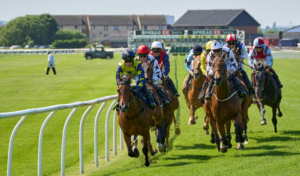
From international tennis tournaments to major race weekends, sports and leisure venues face a unique challenge when it comes to water usage.
For much of the year, demand may remain relatively stable and manageable. Then suddenly, during a major event, water consumption can surge dramatically due to:
- Thousands of visitors using toilets and washroom facilities.
- Hospitality and catering operations.
- Ground irrigation and turf management.
- Temporary event infrastructure.
- Cleaning and maintenance requirements.
- Increased wastewater and drainage demands.
For venues such as racing circuits, exhibition grounds, stadiums, and outdoor event spaces, these short but intense spikes in demand can create significant cost pressures if not managed correctly.
The Problem with “One-Size-Fits-All” Water Contracts
Many venues end up paying for water services based on their peak demand profile year-round — even if those peaks only occur during a handful of events annually.
This can lead to:
- Higher standing charges.
- Oversized supply agreements.
- Inefficient wastewater tariffs.
- Poor visibility of event-driven consumption.
- Limited flexibility when demand changes seasonally.
A venue that hosts two or three major events each year should not necessarily be paying as though those demand levels occur every week.
That’s where a strategic water management approach becomes essential.
Why Contract Structure Matters For Sports & Leisure Organisations
One of the biggest opportunities for sports and leisure venues is ensuring they are on the right type of water contract for their operational model.
Many venues are still tied into arrangements that were designed around historic demand levels or standard commercial usage assumptions. For businesses with highly seasonal or event-led consumption, this can result in unnecessary costs throughout the year.
At Wodr, contract reviews form a key part of developing a smarter water strategy.
Flexible Contracts
For venues with significant fluctuations in attendance and usage, flexible contract structures can provide better cost alignment.
This may include:
- Tariffs designed around seasonal demand.
- Agreements that better reflect actual annual consumption.
- Flexible wastewater arrangements during event periods.
- More accurate standing charges linked to realistic operational needs.
For example, a racing circuit may require high capacity for several race weekends but minimal demand during off-season months. A more flexible approach can help avoid paying peak-level charges year-round.
Fixed Contracts
In some cases, fixed-rate agreements may still provide value, particularly where venues want:
- Greater budget certainty.
- Protection from future price increases.
- Long-term cost planning stability.
Wodr helps businesses assess whether a fixed arrangement genuinely supports their usage profile or whether more adaptive procurement options may deliver better value.
Metering & Supply Reviews
Contract strategy is not only about tariff pricing.
Wodr also reviews:
- Meter sizes and accuracy.
- Supply capacity requirements.
- Wastewater assumptions.
- Surface water drainage charges.
- Site infrastructure and operational changes.
For venues that have expanded, redeveloped, or changed event operations over time, these legacy arrangements can often become outdated and unnecessarily expensive.
How Wodr Supports Sports & Leisure Venues
Wodr helps businesses develop tailored water strategies that align with their actual operational profile — particularly for venues with fluctuating or seasonal demand.
Rather than simply renewing an existing contract, Wodr works with venues to understand:
- Annual usage patterns.
- Peak event periods.
- Wastewater generation.
- Site infrastructure.
- Metering arrangements.
- Irrigation and grounds maintenance requirements.
This allows Wodr to help businesses procure more suitable agreements with water retailers while identifying opportunities to reduce unnecessary fixed costs.
Water Strategy Is Now Part of Event Strategy
As operating costs continue to rise, water is becoming a more important area of focus for sports and leisure operators.
The right strategy can help venues:
- Reduce unnecessary expenditure.
- Improve sustainability performance.
- Increase operational resilience during major events.
- Better forecast event-related costs.
- Support ESG and environmental objectives.
For venues with highly variable demand, a proactive water strategy is no longer just a procurement exercise — it is part of running an efficient event operation.
Wodr Understands Sports & Leisure Businesses…
Every venue is different. A racing circuit, golf club, stadium, or tournament venue will all have unique usage patterns and operational pressures.
By combining strategic water planning with smarter retailer procurement, Wodr helps sports and leisure venues gain greater control over costs while ensuring they are prepared for peak event demand when it matters most.