
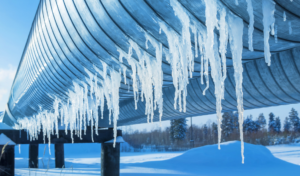
When temperatures drop, most businesses expect their heating and energy bills to rise. But there’s another cost that can easily be overlooked: your water bill.
Freezing temperatures can put your business’s water infrastructure at risk, potentially leading to burst pipes, hidden leaks, unexpected water consumption and costly repairs. With colder weather approaching, taking a few simple precautions now could help protect your premises and prevent an unwelcome surprise when your next water bill arrives.
Why does cold weather affect business water bills?
When temperatures fall below freezing, water inside exposed or poorly insulated pipes can freeze and expand. This expansion puts pressure on pipework, increasing the risk of cracks and bursts. The damage may not become obvious until temperatures rise and the frozen water begins to thaw. For businesses, this can be particularly costly. A damaged pipe could allow water to escape continuously, sometimes without anyone noticing. If your business has a water meter, that wasted water may still be recorded as consumption, meaning you could end up paying for water you haven’t actually used.
And the longer a leak goes undetected, the more expensive it can become.
The financial impact: It’s not just the cost of repairs
A burst pipe can create several unexpected expenses, but one of the biggest risks is the impact on your water bill.
1. Unexpected increases in water consumption
A leaking pipe can waste a significant amount of water, particularly if the damage occurs underground, in an unoccupied building or somewhere that isn’t regularly inspected. Even a relatively small leak can become expensive if it continues for days or weeks.
For example:
Imagine a damaged pipe leaking just one cubic metre of water per hour.
- In 24 hours, that’s 24,000 litres of wasted water.
- Over seven days, that’s 168,000 litres.
- Over 30 days, that’s 720,000 litres.
At an illustrative combined water and wastewater rate of £4 per cubic metre, that could mean an additional £2,880 on your water bill in just one month, before any applicable adjustments.
That’s a substantial and potentially avoidable expense.
2. You could also face higher wastewater charges
Many businesses don’t realise that their wastewater charges are often calculated using their metered water consumption. This means an unexpected increase in water usage could also affect the wastewater element of their bill. In some circumstances, businesses may be eligible for an allowance if leaked water hasn’t entered the public sewer. However, eligibility depends on the circumstances and the relevant water company’s policies.
3. Damage and business disruption
The financial impact doesn’t necessarily stop with your water bill. Burst pipes can damage stock, equipment, flooring and buildings. In more serious cases, businesses may need to temporarily close parts of their premises while repairs are carried out. For businesses operating across multiple sites, these costs can quickly add up.
Why businesses should pay attention to cold weather warnings
Cold weather warnings aren’t just about travel disruption or keeping employees warm. They’re an opportunity to take preventative action.
Certain premises may be particularly vulnerable, including:
- Buildings with exposed or external pipework.
- Warehouses, industrial units and unheated storage areas.
- Offices or commercial properties that are empty over weekends or holidays.
- Businesses with outdoor taps, washdown facilities or water-dependent equipment.
- Multi-site organisations where water consumption isn’t regularly monitored.
It’s also important to remember that the damage may only become apparent when temperatures rise again. A pipe can freeze during a cold spell and begin leaking when it thaws, meaning the financial consequences can continue after the freezing weather has passed.
Five ways to protect your business and your water bills this winter
The good news is that there are practical steps businesses can take to reduce their exposure.
1. Insulate vulnerable pipes
Check exposed pipework, outdoor taps and pipes running through unheated areas. Proper insulation can help reduce the risk of freezing and protect vulnerable sections of your water system.
2. Know where your stop tap is
If a pipe bursts, being able to shut off your water supply quickly can make a significant difference. Make sure relevant employees know where the internal stop tap is located and how to use it safely.
3. Monitor your water consumption
One of the most effective ways to identify a potential leak is to understand how much water your business normally uses. Regular meter readings can help you spot unusual increases before they develop into larger financial problems. If your business is closed overnight or at weekends but your meter continues to record significant consumption, this could indicate a leak or another unexpected use of water.
4. Check your premises after freezing weather
Once temperatures begin to rise, inspect vulnerable areas for signs of damage. Look out for dripping pipes, damp patches, unusual water pressure and unexplained increases in meter readings. The earlier a leak is identified, the sooner you can take action to reduce water wastage and potential costs.
5. Review your water bills
Your water bill can provide useful clues about what’s happening across your premises. An unexpected increase in consumption doesn’t always mean your business is using more water. It could indicate a hidden leak or another issue that needs investigating. Comparing current consumption with previous billing periods can help identify unusual patterns, particularly following prolonged periods of cold weather.
What should you do if you suspect a leak?
If you notice an unexpected increase in water consumption or suspect that freezing temperatures have damaged your pipework, it’s important to act quickly.
Start by checking your water meter and, where safe, isolating the water supply if a burst pipe is suspected. Arrange for a qualified professional to investigate and repair the problem. Keep records of meter readings, photographs, repair invoices and the dates the issue was identified and resolved. You should also contact your water retailer to discuss the increase in consumption and whether any leakage or wastewater allowances may apply. Remember that allowances aren’t automatic, and responsibility for pipework and water charges will depend on the location of the leak and the applicable terms.
Don’t let cold weather turn into an expensive water bill
Freezing temperatures are unavoidable during a British winter, but unexpected water costs don’t always have to be. By preparing your premises, monitoring consumption and responding quickly to unusual water usage, your business can reduce the risk of costly leaks and unnecessary water expenditure.
The key takeaway? Don’t wait until your next water bill arrives to discover that cold weather has caused a problem. A little preparation now could prevent a much bigger expense later.