Is Water the Forgotten Utility in Education Estates?

For education estates teams, the start of a new academic year brings competing priorities. Buildings return to full occupancy, maintenance programmes restart, budgets are put into action and sustainability targets remain firmly on the agenda.
Yet when conversations turn to utilities, one resource often receives less attention: water.
The forgotten utility?
Energy has understandably dominated estates strategies in recent years. Rising costs, net zero commitments and the transition to lower-carbon buildings have made electricity and gas highly visible at board and operational level.
Water rarely commands the same attention.
But across complex education estates – from classrooms and laboratories to accommodation, catering and sports facilities – water is fundamental to daily operations.
The challenge is that much of this consumption happens quietly in the background.
A small change in usage may attract little attention at one building. Across a large university campus or Multi-Academy Trust, however, small inefficiencies multiplied across hundreds of fixtures, facilities and occupants can become significant.
From utility bill to operational data
Perhaps the bigger opportunity is to change how we think about water. Rather than treating it simply as another bill to be paid, water consumption can be viewed as a source of operational insight.
When does consumption peak? What happens when buildings are unoccupied? Why do apparently similar sites have very different usage profiles? And what does a sudden change tell us about the way a building is operating? These questions shift the conversation from “What did we spend?” to “What is our estate telling us?”
That distinction matters.
For estates teams managing ageing infrastructure and limited budgets, better visibility can help identify where attention is genuinely needed rather than relying solely on reactive maintenance.
Water deserves a place in the wider estates conversation
The pressure on education estates isn’t likely to disappear. Teams are being asked to control expenditure, maintain increasingly complex buildings and demonstrate progress against environmental objectives – often simultaneously. Water won’t be the largest line on every utility budget. But that shouldn’t determine its strategic importance.
As the new academic year begins, perhaps the question for estates leaders isn’t simply how much water their organisation uses.
It’s whether they understand where it is being used, why it is being used and what that consumption can tell them about the performance of their estate.
Because the utilities we pay the least attention to can sometimes tell us the most.
Turning water data into better decisions
The challenge for many education estates isn’t a lack of data – it’s making that data meaningful.
Across multiple sites, meters and buildings, consumption information can quickly become difficult to interpret. The real value comes from bringing that information together, identifying patterns and turning it into something estates teams can act on.
This is where Wodr can help.
By helping education organisations manage and make sense of their water data, Wodr can provide greater visibility across an estate – making it easier to understand consumption, identify unusual usage and focus attention where it matters most.
Because better water management doesn’t start with using less. It starts with understanding more.

Hosepipe Bans Are the Warning Light – The Bigger Story Is Water Scarcity
Every summer it seems to happen.
Temperatures climb, reservoirs fall, and another hosepipe ban makes the headlines. For many people, it’s an inconvenience. For businesses, it’s easy to dismiss as something that doesn’t really affect them.
But recurring hosepipe bans are worth paying attention to—not because they stop people watering their gardens, but because they are an early warning sign of a much bigger challenge.
The question isn’t whether we’ll see another hosepipe ban next summer. The question is what happens when these become a regular feature of life in the UK.
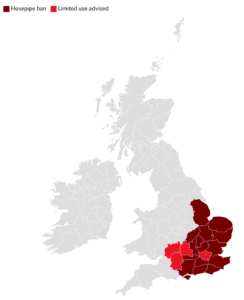
Hosepipe ban map | Independent
A Hosepipe Ban Isn’t the Problem
Water companies introduce Temporary Use Bans (hosepipe bans) to reduce demand during periods of prolonged dry weather. Restricting non-essential household use helps preserve supplies while keeping water flowing to homes, hospitals and businesses.
In isolation, they’re a sensible short-term measure.
The concern is that we’re seeing them more frequently.
Hotter summers, changing rainfall patterns, population growth and ageing infrastructure are all placing greater pressure on the UK’s water network. While winter rainfall can still be significant, longer dry spells mean reservoirs and groundwater don’t always recover as quickly as they once did.
The result is a system with less resilience.
Water Is Becoming a Business Risk
Most businesses won’t be directly affected by a hosepipe ban today.
But water scarcity doesn’t begin when taps run dry—it begins when reliability becomes less certain.
For organisations that depend on water, whether for manufacturing, food production, hospitality, healthcare or construction, even modest restrictions can create operational challenges.
Businesses may face:
- Rising water costs as investment in infrastructure increases.
- Greater scrutiny of water consumption.
- Pressure to improve efficiency and reduce waste.
- Potential restrictions during prolonged droughts.
- Supply chain disruption as suppliers face their own water challenges.
Just as energy security has become a board-level discussion over the past few years, water security is steadily moving in the same direction.
The Hidden Cost of Water Scarcity
Water doesn’t need to disappear for businesses to feel the impact.
Imagine a food manufacturer whose suppliers experience irrigation restrictions. Crop yields fall, raw material prices rise, and production costs increase throughout the supply chain.
Or consider a manufacturer that relies heavily on water for cooling or cleaning. If drought measures limit abstraction or increase operational costs, production becomes more expensive.
The knock-on effects are felt far beyond the businesses directly using large volumes of water.
Water scarcity becomes an economic issue rather than simply an environmental one.
Investing in Resilience
Addressing water scarcity will require significant investment.
Across the UK we’re already seeing plans for:
- New reservoirs.
- Water recycling schemes.
- Smarter water networks.
- Leakage reduction programmes.
- Interconnected regional supply networks.
- Greater use of digital monitoring and analytics.
These investments improve resilience, but they also come at a cost that will inevitably be reflected in future water bills.
For businesses, understanding and managing water use is becoming increasingly important—not just from a sustainability perspective, but from a financial one.
What Businesses Can Do Today
The organisations best prepared for the future won’t necessarily be those using the least water—they’ll be the ones that understand it.
That means:
- Monitoring consumption across sites.
- Identifying hidden leaks and inefficiencies.
- Benchmarking usage against similar organisations.
- Reviewing tariffs and supply arrangements.
- Investing in water efficiency where it delivers measurable returns.
Small improvements made today can reduce costs and improve resilience tomorrow.
Looking Beyond the Headlines
A hosepipe ban is visible. Water scarcity is gradual.
One makes the news for a few weeks; the other has the potential to reshape how businesses think about one of their most fundamental resources. As climate pressures continue and demand grows, water will increasingly be viewed in the same way organisations now think about energy: something to monitor, optimise and manage strategically.
For businesses, the message is simple.
Don’t wait until water becomes a problem. Start treating it as a resource worth managing today.

5 Ways Schools Can Check for Water Leaks During the Summer Holidays

The summer holidays give schools a valuable opportunity to carry out checks that can be difficult to complete during a busy term.
One of the most useful is checking for water leaks.
When pupils and most staff are away, water use should fall considerably. This makes it much easier to notice unusual consumption and identify potential problems before they lead to higher bills, wasted water or damage to the building.
At Wodr, we help schools understand and manage their water use more effectively. A simple leak check during the summer can be a practical first step.
Why is the summer break a good time to check?
During term time, schools use water throughout the day.
Toilets, kitchens, classrooms, science rooms, sports facilities and cleaning teams all contribute to normal consumption. With so much activity, it can be difficult to tell whether extra water use is caused by everyday operations or by a leak.
During the holidays, expected usage is much lower.
If the water meter continues to show steady or significant consumption when the site is mostly empty, this may suggest that water is being lost somewhere within the system.
Where might leaks occur?
Some leaks are easy to spot, while others can remain hidden for a long time.
Common areas to check include:
- Toilet cisterns that continue to run
- Taps that drip or do not close properly
- Urinals with faulty controls
- Underground pipework
- Outdoor taps and irrigation systems
- Storage tanks and float valves
- Heating and cooling equipment
- Older or damaged internal pipework
Even a small leak can waste a surprising amount of water if it continues for several weeks.
How can schools check for leaks?
1. Take a meter reading
Record the water meter reading before the school closes or at the start of a quiet period.
Taking a clear photograph can be helpful.
Check the meter again after a few days when little or no water should have been used. An unexplained increase may need further investigation.
2. Look at overnight water use
Schools with automated meter reading or online consumption data may be able to review hourly or half-hourly usage.
During the holidays, water use should usually fall very low overnight. A steady flow during periods when the building is empty can be a sign of a leak or an appliance that has been left running.
3. Walk through toilets and washrooms
Toilets are a common source of hidden water waste.
A cistern may continue to refill quietly, or water may trickle into the toilet pan without being immediately noticeable.
Listen for running water and check whether any toilets, taps or urinals appear to be operating when they should not be.
4. Check outdoor areas
Inspect outdoor taps, irrigation equipment, valve covers and visible pipework.
Unusually wet ground, standing water or a particularly green patch of grass during dry weather may indicate an underground leak.
5. Review recent bills and usage
Compare recent water consumption with the same period in previous years.
A noticeable increase that cannot be explained by building work, lettings or summer activities may point to a problem.
Why is early detection important?
Finding a leak early can help a school avoid unnecessary cost and disruption.
Leaks can:
- Increase water and wastewater charges.
- Cause damp, mould or structural damage.
- Waste large volumes of treated water.
- Affect sustainability targets.
- Lead to repair work during term time.
The sooner a possible leak is identified, the easier it is to investigate and resolve before pupils and staff return.
How Wodr can support schools
Wodr helps schools, academies and multi-academy trusts gain a clearer view of their water use.
By reviewing bills, consumption patterns and meter data, we can help identify unusual usage and highlight areas that may need further attention.
Where specialist investigation is required, we can also help connect schools with trusted leak detection and water management partners.
The summer holidays offer a quieter period in which to carry out these checks. A simple meter reading and a walk around the site could help prevent water waste, reduce costs and avoid an unexpected problem in September.
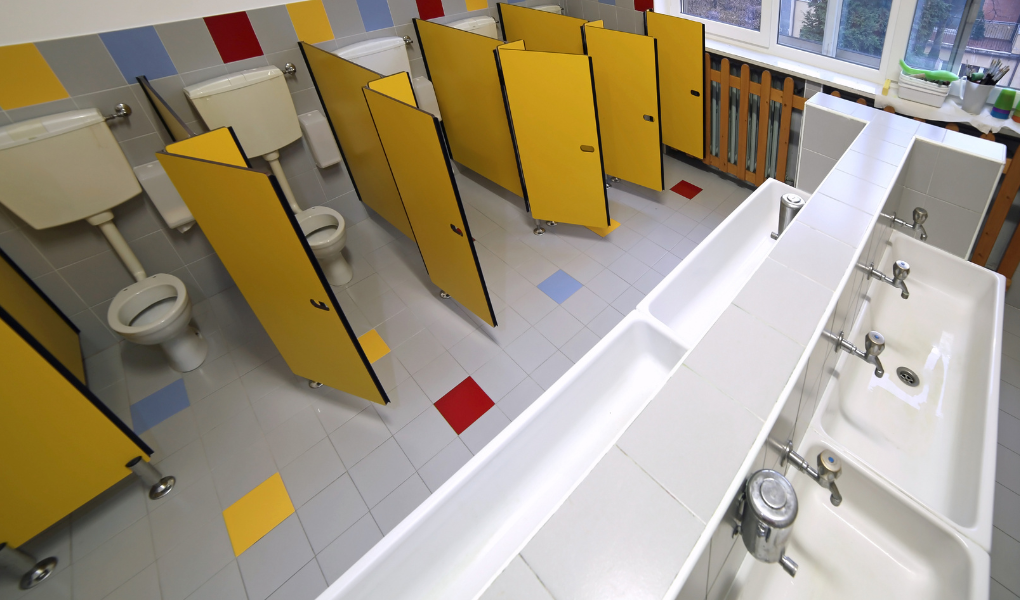
School Summer Holidays: How to Maintain Water Hygiene During the Six-Week Break
Every summer, schools across the UK prepare for one of their longest periods of reduced occupancy. While classrooms may sit empty, your water system shouldn’t be forgotten.
Six weeks of little or no water use creates the perfect conditions for water stagnation, increasing the risk of bacteria such as Legionella developing within pipework, storage tanks and outlets.
For school business managers, estates teams and facilities professionals, maintaining good water hygiene throughout the summer break is an essential part of health and safety compliance. At Wodr, we help organisations manage their water services efficiently. Here’s what every school should be doing to keep their water systems safe over the holidays.
Why does water hygiene matter?
When water remains stagnant for extended periods, its temperature can rise into the range where bacteria thrive. Legionella bacteria, which can cause Legionnaires’ disease, multiply most readily in warm, stagnant water.
Schools are responsible for managing this risk under the Health and Safety at Work Act, COSHH Regulations, and the Health and Safety Executive’s Approved Code of Practice L8.
Good water hygiene isn’t simply about compliance—it protects staff, contractors and pupils when buildings return to normal use.
Before the school closes
Preparation should begin before the final day of term.
A comprehensive pre-holiday inspection should include:
- Reviewing the school’s Legionella risk assessment.
- Identifying areas that will receive little or no water use during the holiday.
- Confirming hot water is stored at 60°C or above, with distribution temperatures reaching at least 50°C at outlets where appropriate.
- Checking that cold water remains below 20°C where practicable.
- Ensuring any water treatment equipment, filters or softeners are operating correctly.
- Isolating or removing redundant pipework or unused outlets where possible.
Taking these steps before the building empties helps reduce risks throughout the closure period.
Should schools flush their water systems during the holidays?
In most cases, yes.
Although the Health and Safety Executive does not specifically require weekly flushing, it does require schools to implement suitable control measures based on their Legionella risk assessment.
For many schools, weekly flushing remains the simplest and most effective way of preventing prolonged water stagnation.
During the holiday period, responsible staff or contractors should flush all infrequently used outlets, including:
- Classroom taps.
- Washroom facilities.
- Showers and changing rooms.
- Drinking water fountains.
- Kitchen sinks.
- Science laboratory outlets.
- Cleaner’s sinks.
- External hose connections.
Both hot and cold water should be flushed until fresh water has fully circulated through the system, typically between two and five minutes depending on the size of the building.
Each flush should be recorded in a maintenance log, noting the date, outlet and person carrying out the task.
Don’t forget showers
Showers present a higher risk because they create fine water droplets that can be inhaled.
Before schools reopen:
- Remove and clean shower heads where required.
- Descale and disinfect them in line with your water hygiene programme.
- Flush showers thoroughly before allowing them to be used.
If showers are flushed during the holidays, care should be taken to minimise aerosol generation wherever possible.
Preparing for September
The recommissioning process before staff and pupils return is arguably the most important stage of the school’s water hygiene programme.
Before reopening, schools should:
- Flush every water outlet throughout the building.
- Check hot and cold water temperatures at sentinel outlets.
- Verify water heaters are operating correctly.
- Restart any equipment that was isolated during the closure.
- Inspect storage tanks where required.
- Complete any scheduled maintenance identified in the Legionella risk assessment.
Where significant changes have been made to the water system—or concerns have been identified—additional microbiological sampling may also be recommended by your competent water hygiene contractor.
Keep accurate records
Water hygiene management doesn’t end with carrying out the work.
Schools should maintain clear records of:
- Weekly flushing activities
- Temperature monitoring
- Cleaning and disinfection of shower heads
- Water system inspections
- Maintenance and remedial works
- Any issues identified and actions taken
These records provide evidence that the school is effectively managing its legal responsibilities and can prove invaluable during inspections or audits.
How Wodr can help
Managing water hygiene involves more than simply paying your water bill.
As a specialist business water utilities broker, Wodr works with schools, academies and multi-academy trusts to help them manage every aspect of their water services. Alongside helping organisations secure competitive water contracts, we can connect customers with trusted water hygiene specialists, support effective water management, identify opportunities to reduce water consumption and improve operational efficiency across their estates.
Whether you’re responsible for a single primary school or an entire academy trust, taking a proactive approach to water hygiene helps protect your people, remain compliant and ensure your buildings are ready for a safe return in September.
Need support with your school’s water services?
If you’d like advice on water management, supplier performance or reducing water costs across your education estate, the Wodr team is here to help.

Why Water Management Is Essential For Legionella Prevention In Hospitality

Water management plays a vital role in every hospitality business. Hotels, restaurants, spas, leisure centres and resorts all rely on safe, clean water every day. However, poor water management can create the perfect conditions for Legionella bacteria to grow.
A proactive approach protects your guests, your staff and your reputation. It also helps you meet your legal responsibilities and avoid costly disruption.
What Is Legionella?
Legionella is a type of bacteria that naturally exists in freshwater. Problems arise when it enters man-made water systems and begins to multiply.
People can become ill by inhaling tiny water droplets that contain the bacteria. These droplets can come from showers, taps, spa pools, cooling systems and decorative fountains.
Hospitality businesses often have large and complex water systems. This makes effective water management even more important.
What’s The Risk For Hospitality Businesses?
Hotels and other hospitality venues have many features that increase the risk of Legionella.
These include:
- Large hot and cold water systems.
- Guest bedrooms with ensuite bathrooms.
- Spa pools and leisure facilities.
- Low-use or vacant rooms.
- Seasonal fluctuations in occupancy.
- Water storage tanks and long pipework.
When water remains stagnant or reaches the wrong temperature, Legionella can multiply. Without regular monitoring, these risks can go unnoticed.
How Good Water Management Prevents Legionella
Good water management reduces the conditions that allow Legionella to grow.
An effective water management programme should include:
- Regular temperature monitoring.
- Flushing little-used outlets.
- Inspecting water storage tanks.
- Cleaning and disinfecting water systems.
- Removing dead legs where possible.
- Keeping accurate maintenance records.
- Reviewing risk assessments regularly.
These measures help keep water systems safe throughout the year.
Build a Proactive Water Management Strategy
The best hospitality businesses don’t wait for problems to arise. They build a water management strategy that reduces risk before it becomes an issue.
A proactive approach supports Legionella compliance while improving the performance of your water systems. Regular monitoring, planned maintenance and accurate records help demonstrate that risks are under control. They also provide valuable evidence during inspections or audits.
However, effective water management goes beyond compliance. It helps hospitality businesses:
- Protect guests and employees.
- Reduce the risk of Legionnaires’ disease.
- Cut unnecessary water waste.
- Improve operational efficiency.
- Extend the lifespan of water assets.
- Avoid unexpected maintenance costs.
- Protect their reputation.
Make Legionella Part of Your Water Management Strategy
Legionella prevention should never become an afterthought. It should form part of a wider water management strategy that supports safety, efficiency and sustainability.
Regular monitoring, planned maintenance and accurate water data all contribute to healthier water systems. Together, they help hospitality businesses reduce risk while improving day-to-day operations.
At Wodr, we help hospitality businesses take control of their water management. From understanding water usage to identifying opportunities for greater efficiency, our expertise helps businesses manage water more effectively while supporting safer, more resilient operations.

UK's Heatwave Is More Than a Weather Story: What It Means for Businesses and Their Water Supply

As the UK experiences one of its most intense June heatwaves on record, with temperatures forecast to approach 39°C in parts of England, businesses are feeling the effects far beyond uncomfortable offices and rising air conditioning costs. The current extreme heat is putting unprecedented pressure on water networks, energy systems, infrastructure and business operations across the country.
For many organisations, water is becoming one of the most overlooked business risks of the summer.
Demand Surges During UK Heatwave
Hot weather drives a dramatic increase in water consumption. People drink more, businesses use more water for cooling, and sectors such as hospitality, leisure, manufacturing and construction often see higher operational demand.
The impact is already being felt in the South East. South East Water, which serves parts of Hampshire, Surrey, Berkshire, Kent and Sussex, has urged customers to use water only for essential purposes due to exceptionally high demand caused by the ongoing heatwave.
While many businesses assume water is always available when they need it, periods of extreme demand can create pressure issues, supply constraints and operational challenges.
The Cost Impact Starts Immediately
The most obvious effect is increased consumption.
Businesses may see:
- Higher water bills.
- Increased wastewater charges.
- Greater energy costs associated with cooling systems.
- Additional maintenance requirements for cooling equipment.
The current heatwave is also pushing up electricity demand nationally, with Great Britain’s grid operator issuing a rare summer notice requesting additional generation capacity to meet demand. This means businesses are often facing higher water and energy consumption simultaneously.
For facilities managers and finance teams, utility costs can rise significantly during prolonged periods of extreme heat.
Operational Risks Are Growing
Many organisations still view water resilience as a concern for drought years rather than heatwaves. However, recent events suggest that mindset needs to change.
Earlier this year, thousands of customers in South East England experienced low pressure and water outages during periods of exceptionally hot weather and record demand. Some businesses were forced to close or alter operations because they simply could not access the water they needed.
For businesses that rely on water for:
- Production processes.
- Cleaning and sanitation.
- Cooling systems.
- Catering and hospitality services.
- Customer facilities.
Even a short interruption can have serious consequences.
Water Restrictions Are No Longer Theoretical
The current heatwave has already prompted warnings about non-essential water use, and some areas have introduced restrictions as demand continues to rise. Water companies are increasingly asking customers to reduce discretionary consumption to protect supplies and maintain network stability.
While restrictions often focus on domestic activities, businesses should not assume they are unaffected.
Organisations with landscaping, irrigation, vehicle washing, leisure facilities or other water-intensive activities should review local guidance and consider contingency plans if restrictions become more widespread.
Employee Wellbeing Depends On Water Too
Heat resilience and water resilience are closely linked.
Businesses must ensure:
- Adequate drinking water supplies.
- Effective cooling measures.
- Appropriate welfare arrangements for outdoor workers.
- Flexible working practices where necessary.
The UK Health Security Agency has warned that the current conditions pose health risks beyond traditionally vulnerable groups, highlighting the need for employers to take heat-related risks seriously.
A Glimpse Of The Future
Perhaps the most important takeaway from this week’s weather is that it is unlikely to be an isolated event.
Experts have repeatedly warned that hotter summers, more frequent heatwaves and greater pressure on water resources are becoming part of the UK’s long-term climate reality. Recent heatwaves have already exposed vulnerabilities in water infrastructure and demonstrated how quickly demand can exceed expectations.
Businesses that understand their water dependency today will be better prepared for future disruptions.
What Businesses Should Be Doing To Prepare For A Heatwave
The current heatwave is a useful reminder to review water resilience before a supply issue becomes a business issue.
Key questions include:
- Do we know where our highest water consumption occurs?
- Could our operations continue if supply was reduced?
- Have we identified opportunities to improve efficiency?
- Do we have a plan if restrictions or outages occur?
- Are we monitoring utility usage closely during peak demand periods?
Get In Touch
This week’s heatwave isn’t just a weather event. It’s a stress test for the UK’s infrastructure and a reminder that water is becoming an increasingly important business resource. For organisations across the country, the question is no longer whether extreme heat can affect operations—it’s whether they’re prepared when it does.
Businesses that treat water resilience as a strategic issue today will be in a far stronger position when the next heatwave arrives. If you want to be prepared, get in touch with our expert team today.

Consumption Monitoring: How Wodr's Daytona Platform Supports Your Net Zero Goals

As businesses work towards ambitious sustainability targets, having accurate consumption monitoring in place is becoming essential. Understanding how your organisation uses water and energy is the first step towards reducing waste, lowering costs, and achieving Net Zero objectives.
At Wodr, our Daytona Platform provides advanced consumption monitoring capabilities that help businesses track utility usage, identify inefficiencies, and stay on target throughout their sustainability journey.
Set Meaningful Consumption Targets
Effective Net Zero planning starts with understanding your current utility usage. Through Daytona’s consumption monitoring capabilities, Wodr can help establish realistic water consumption reduction targets based on your historical usage and business requirements.
By setting measurable goals, your business can track progress and make informed decisions that support long-term sustainability objectives.
Continuous Consumption Monitoring Throughout Your Contract
Setting targets is only the beginning. Maintaining visibility over your utility usage is what drives real results.
Daytona provides continuous consumption monitoring throughout the duration of your contract, allowing both your business and Wodr to track performance against agreed targets. This ongoing monitoring ensures you always know whether you’re on course to meet your sustainability goals.
Our team actively reviews your data and helps translate complex information into practical recommendations.
Early Warning Alerts
Unexpected increases in usage can quickly impact both budgets and sustainability targets.
Our consumption monitoring system can be configured to provide alerts and notifications when usage patterns suggest you may exceed your targets. This early-warning approach allows corrective action to be taken before excessive consumption becomes a costly problem.
Rather than simply reporting the data, Wodr works with you to identify opportunities for improvement and reduce unnecessary usage.
Consumption Monitoring Helps Detect Leaks and Unusual Usage
Hidden leaks and operational inefficiencies are common causes of excessive water consumption.
Daytona’s consumption monitoring tools analyse usage patterns to identify unusual spikes and abnormal behaviour that could indicate leaks or equipment issues. Detecting these problems early can help reduce waste, minimise costs, and support your Net Zero commitments.
This proactive approach enables businesses to address issues before they escalate into significant operational challenges.
Tailored Reports Delivered Directly to Your Inbox
Data is only valuable when it’s easy to understand and act upon.
That’s why Wodr provides customised consumption monitoring reports directly to your inbox. These reports give you a clear overview of performance, progress against targets, usage trends, and opportunities for further efficiencies.
You receive the information you need, without having to spend hours analysing utility data yourself.
A Complete Utility Overview
Sustainability requires a complete view of utility consumption.
In addition to water consumption monitoring, our sister company, Utility Stream, provides specialist energy utilities consultancy that integrates directly with the Daytona platform. Together, this delivers a complete view of utility performance across your organisation, enabling you to better understand the link between water and energy consumption and identify further efficiency opportunities.
Whether you operate from a single site or manage multiple locations, Daytona delivers a centralised view of utility performance across your entire business.
Wodr: Partnering With You, To Support Your Net Zero Success
Achieving Net Zero is an ongoing process that requires visibility, accountability, and continuous improvement.
Through advanced consumption monitoring, intelligent alerts, leak detection, and comprehensive reporting, Daytona helps businesses reduce waste, improve efficiency, and make measurable progress towards their environmental goals.
At Wodr, we’re committed to helping organisations gain greater control over their utility usage while simplifying the path to Net Zero.
Ready to Improve Your Consumption Monitoring?
Contact Wodr today to learn how the Daytona Platform can provide advanced consumption monitoring for water and energy usage, helping your business reduce waste, lower costs, and achieve its sustainability objectives.
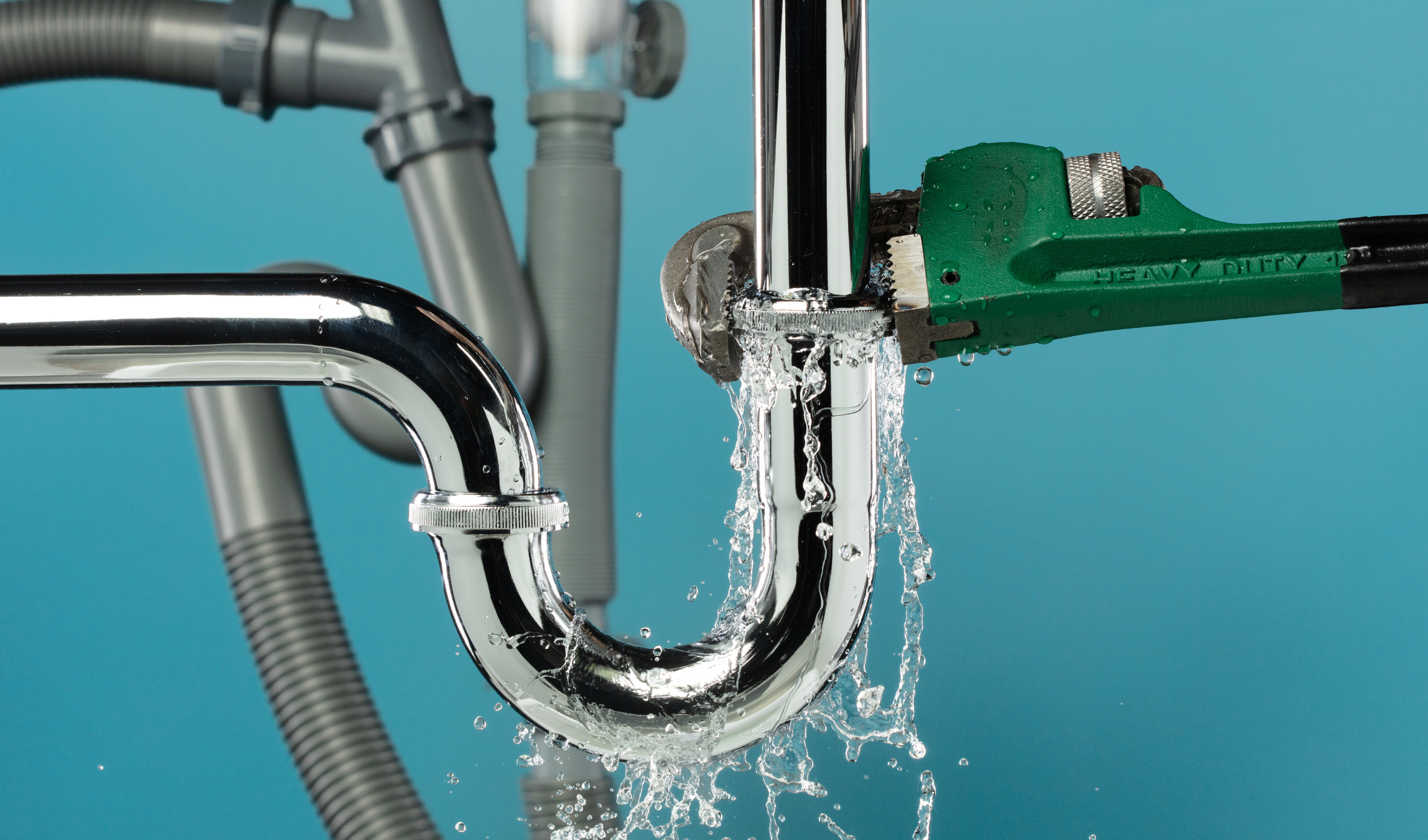
Reducing Leakage: A Practical Route to Net Zero and Carbon Savings
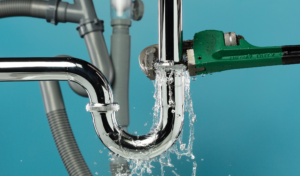
As organisations across the UK continue their journey towards net zero, much of the conversation focuses on renewable energy, fleet electrification, sustainable procurement and carbon offsetting. While these initiatives all have an important role to play, one often overlooked opportunity lies in reducing water leakage and unnecessary water consumption.
Water is a valuable resource, and every litre lost through leaks represents more than just wasted water. It also represents wasted energy, wasted resources and avoidable carbon emissions. By identifying and addressing leakage, businesses can make meaningful progress towards both their sustainability goals and operational efficiency targets.
The Hidden Carbon Cost of Water
Water does not arrive at taps, production lines or commercial premises without a carbon footprint.
Before water reaches a business, it must be abstracted from rivers, reservoirs or groundwater sources, treated to meet quality standards and transported through extensive distribution networks. Each stage requires energy, infrastructure and resources.
When water is lost through leaks within a building, facility or wider estate, all of the carbon emissions associated with treating and supplying that water are effectively wasted. This is often referred to as the embedded carbon of water. The greater the volume of water lost, the greater the associated environmental impact.
For organisations looking to reduce their carbon footprint, tackling leakage offers an opportunity to improve water efficiency while simultaneously reducing indirect emissions.
Cutting Carbon Through Smarter Water Efficiency
Water scarcity is becoming an increasing concern across many parts of the UK. At the same time, regulators, investors, customers and stakeholders are placing greater emphasis on sustainable resource management.
Many organisations now include water reduction targets within their wider ESG and net zero strategies. Reducing leakage can help businesses:
- Lower operational carbon emissions.
- Reduce water consumption and associated costs.
- Improve resource efficiency.
- Support environmental and sustainability commitments.
- Strengthen resilience against future water shortages.
- Demonstrate responsible business practices.
As climate pressures increase and sustainability reporting becomes more important, effective water management is becoming a key component of corporate environmental strategies.
Smart Monitoring Is Transforming Leakage Detection
Historically, leaks often went unnoticed until they became visible, caused damage or generated unexpectedly high water bills.
Today, advances in smart monitoring technology are helping organisations identify and address leaks far more quickly.
Connected sensors, automated meter reading systems and real-time monitoring platforms provide greater visibility into water usage patterns, allowing businesses to detect unusual consumption before small leaks become major problems.
The benefits of smart water monitoring include:
- Faster leak detection.
- Reduced water losses.
- Lower utility costs.
- Improved operational efficiency.
- Better asset management.
- More informed sustainability reporting.
By gaining greater insight into how water is being used across their operations, businesses can take proactive action to reduce waste and improve performance.
The Financial Benefits of Leakage Reduction
The business case for tackling leakage extends beyond sustainability.
Every litre of water lost through a leak still incurs the cost of supply, treatment and distribution. In many cases, leaks can continue undetected for weeks or months, significantly increasing operating costs.
Reducing leakage can help organisations:
- Lower water and wastewater charges.
- Reduce energy consumption associated with water use.
- Minimise the risk of property damage and disruption.
- Improve the lifespan of plumbing and infrastructure assets.
- Avoid costly emergency repairs.
At a time when businesses are under increasing pressure to manage costs and improve environmental performance, reducing water losses can deliver measurable benefits on both fronts.
Supporting a Sustainable Future
Achieving net zero will require action across every area of business operations. While major decarbonisation projects often attract the most attention, reducing water leakage remains one of the simplest and most immediate ways to reduce resource waste and lower environmental impact.
By combining proactive leakage management with smart monitoring technologies and data-driven decision-making, organisations can conserve valuable water resources, improve operational efficiency and accelerate progress towards their sustainability goals.
In the transition to a lower-carbon future, every litre saved matters.

What Is Smart Metering And How Can AMRs Benefit Your Business?
What is a smart metering? Do you need to do it? How can it help your business?
In this video, we talk all things smart meters, also known as an AMR. We’ll explain how they are transforming the way businesses manage water by providing near real-time usage insights, detects leaks early, reduce waste, and turns water from a fixed cost into a controllable expense.
Unfiltered Vlog | What Is Smart Metering And How Can AMRs Benefit Your Business?
If you run a business, get in touch with our team today to find out how a smart meter/AMR can make a real difference to your bottom line.
Get in touch with our team today to explore your options and take control of your business water—turning it into a strategic advantage, not just a cost.