
Wodr Heads to New Road To Watch Worcestershire Rapids
At Wodr, we’re passionate about supporting local communities, businesses and organisations that bring people together. That’s why we’re proud to continue our partnership with Worcestershire County Cricket Club. This partnership strengthens a relationship that already sees Wodr and our sister company, Utility Stream, supporting the club with their business water and energy utilities.
A Rich History Behind Worcestershire County Cricket Club
Founded in 1865, Worcestershire County Cricket Club has been at the heart of English cricket for more than 150 years. Based at the iconic New Road Ground in Worcester, the club has built a reputation for producing outstanding players… as well as creating memorable moments for supporters across generations.
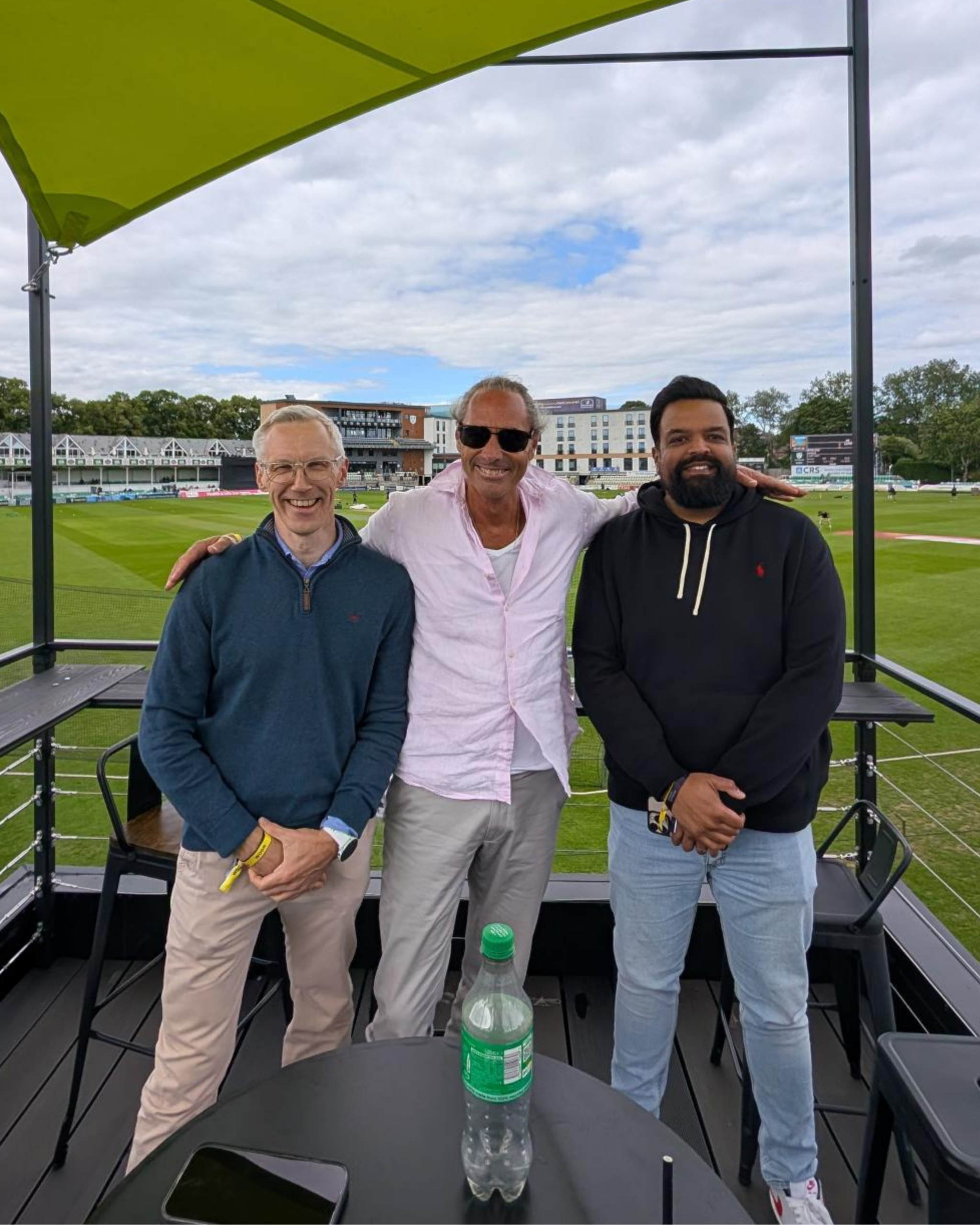
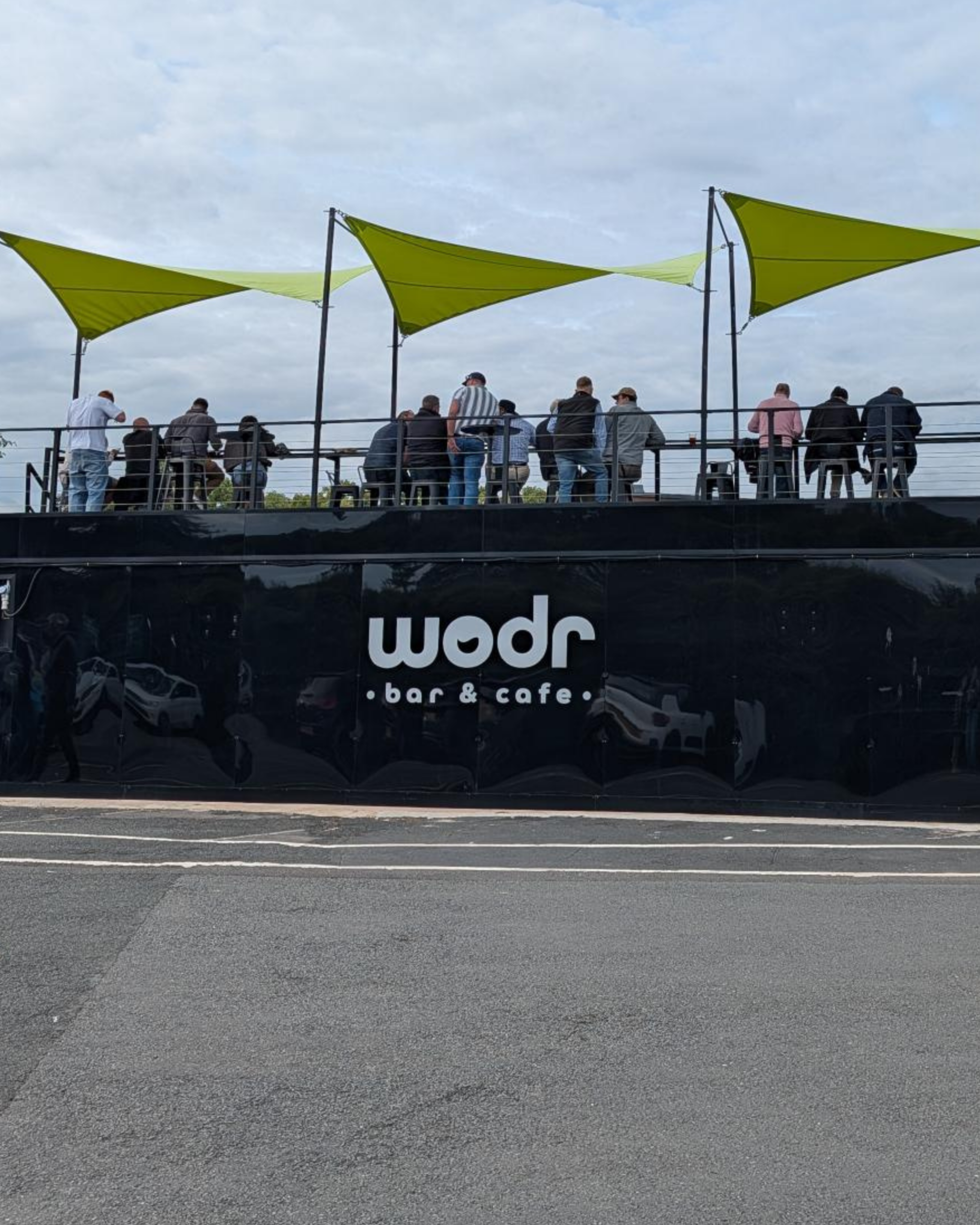
Situated alongside the River Severn, New Road is one of the most picturesque grounds in the country and remains a focal point for sport and community life in Worcestershire. And now even more so as it features the wonderful Wodr-Sponsored Hospitality Bar!
Supporting Worcestershire Cricket Through Water, Energy and Sponsorship
For some time now, Wodr (and it’s sister company Utility Stream) have proudly supported Worcestershire County Cricket Club by helping manage their business water and energy utilities. This partnership allows the club to focus on delivering fantastic experiences for players, members and supporters, while we help ensure their essential services run efficiently behind the scenes.
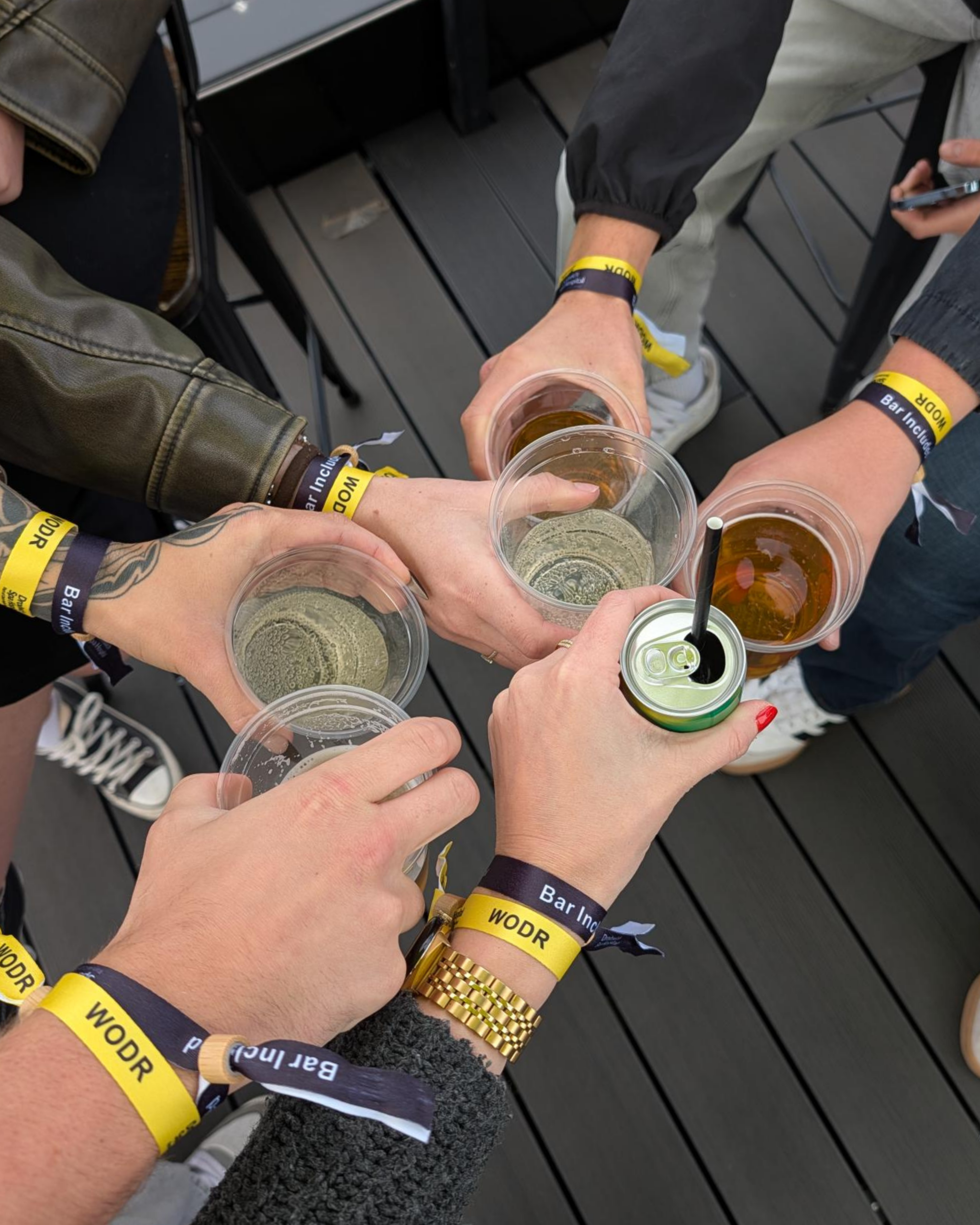
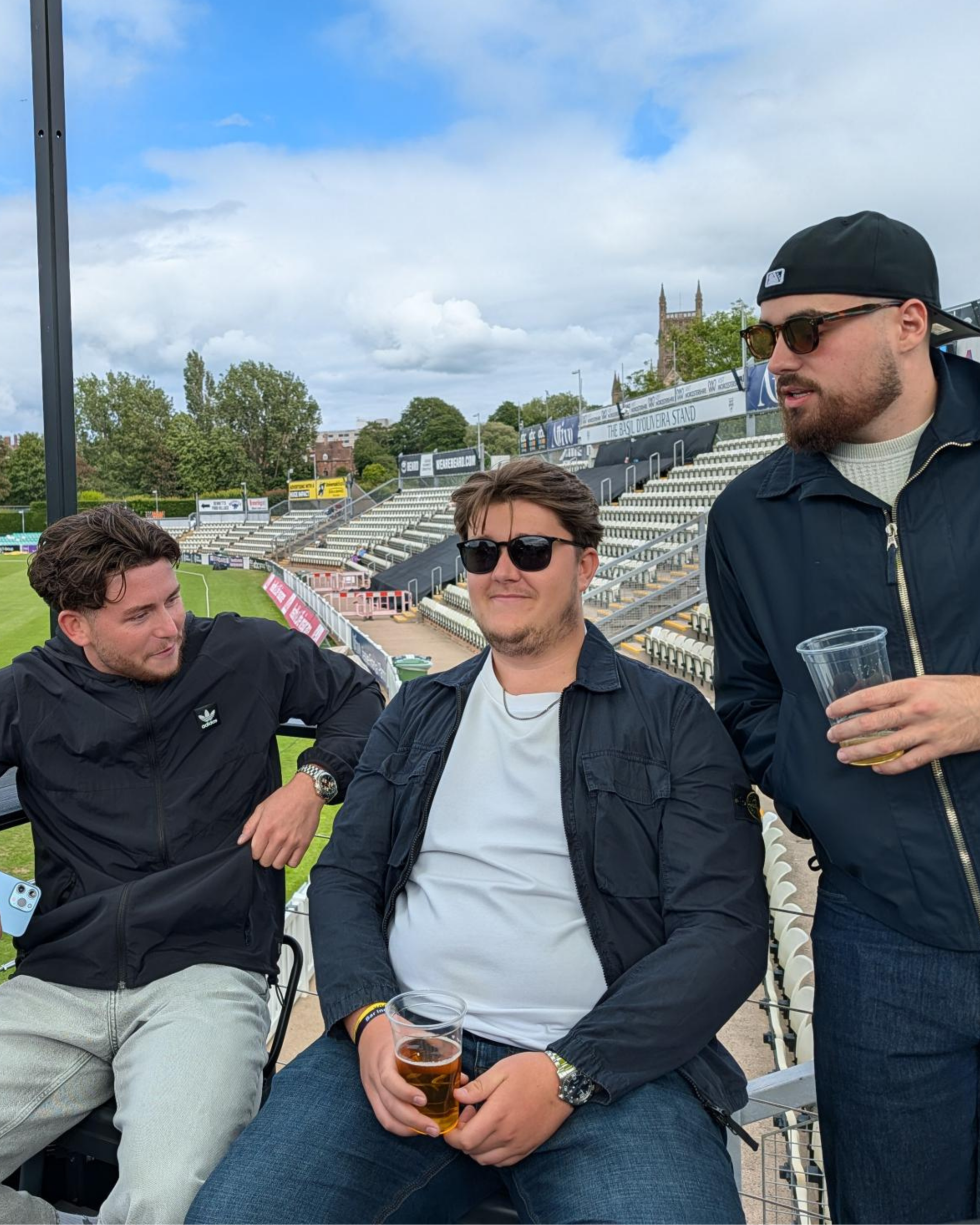
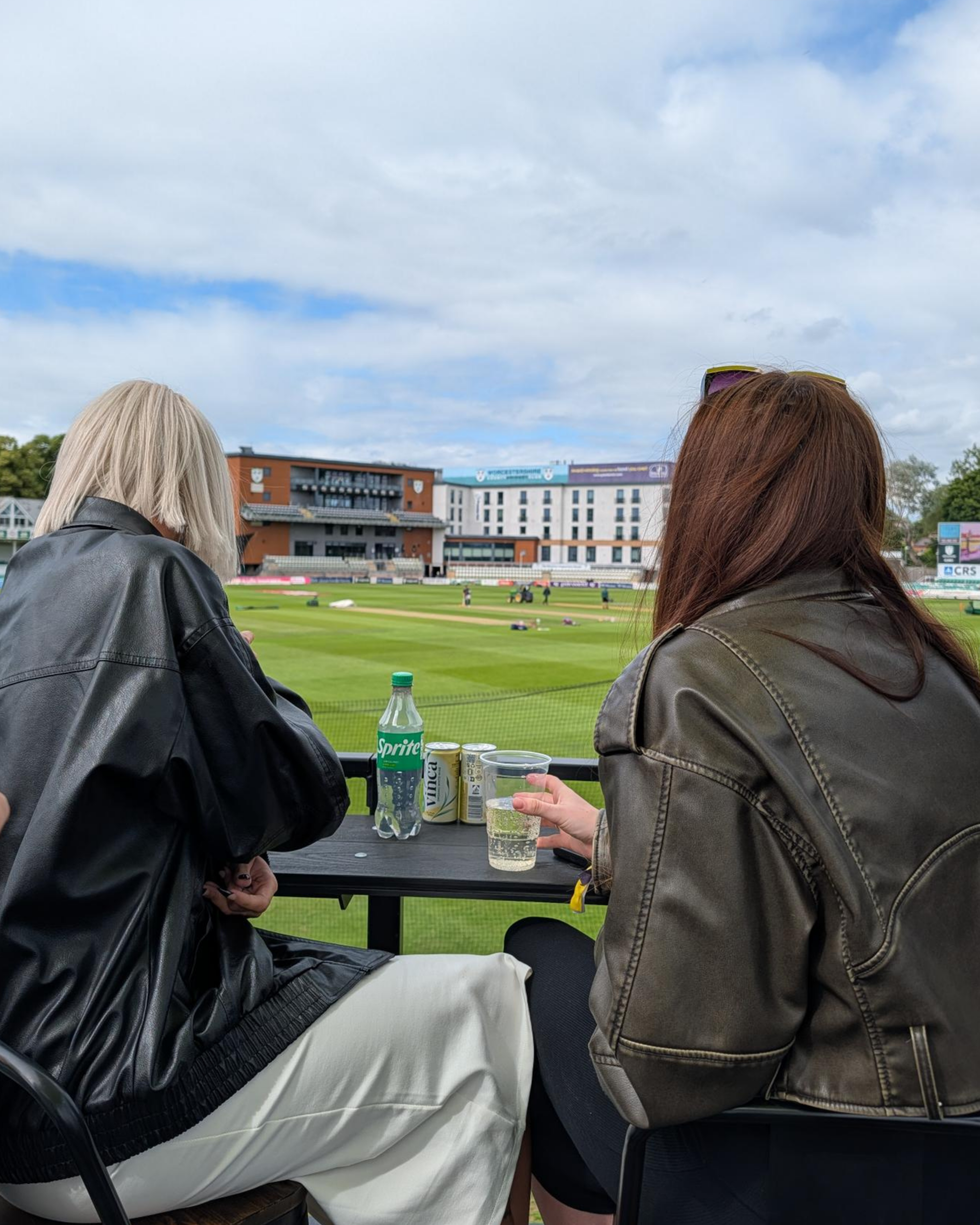
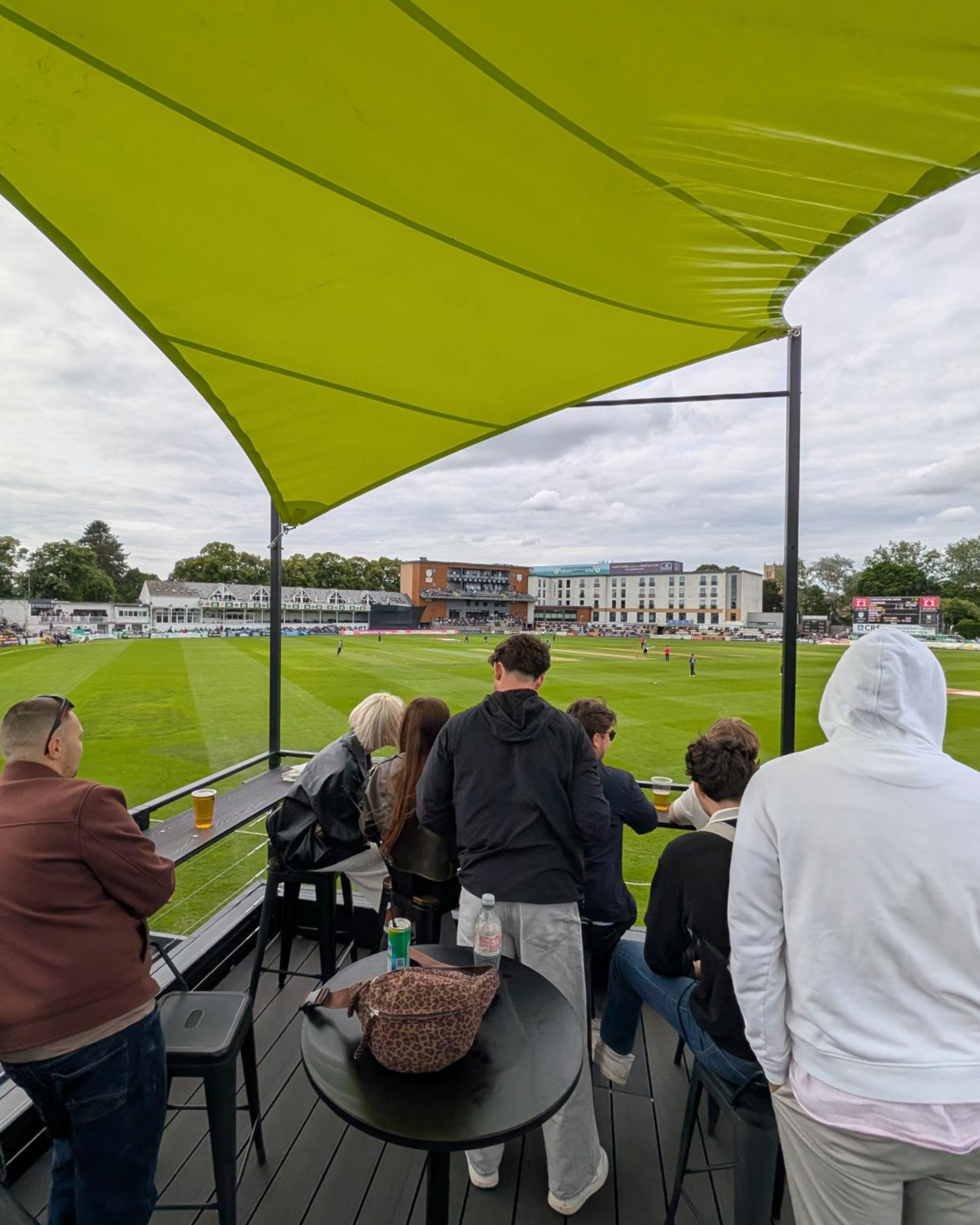
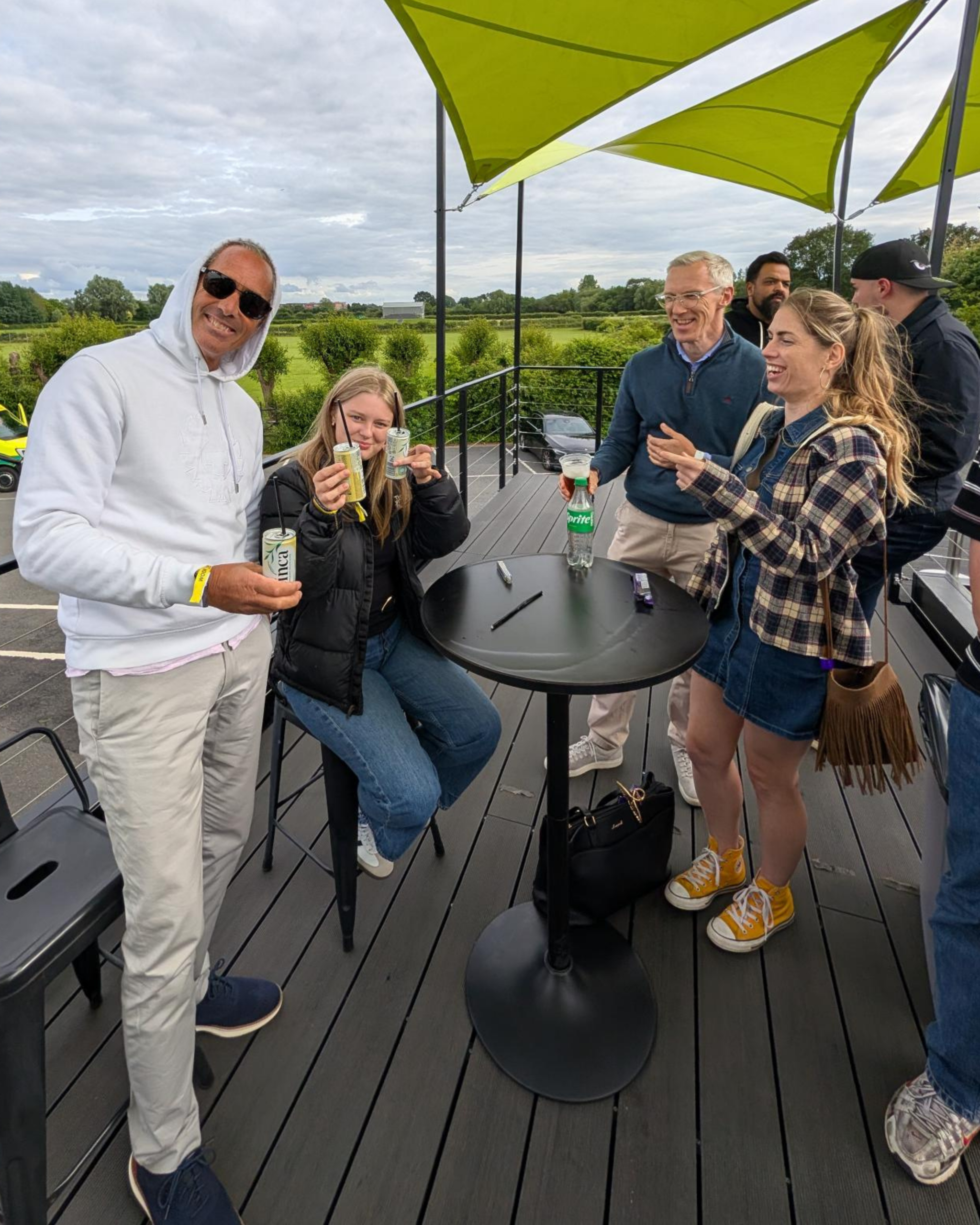
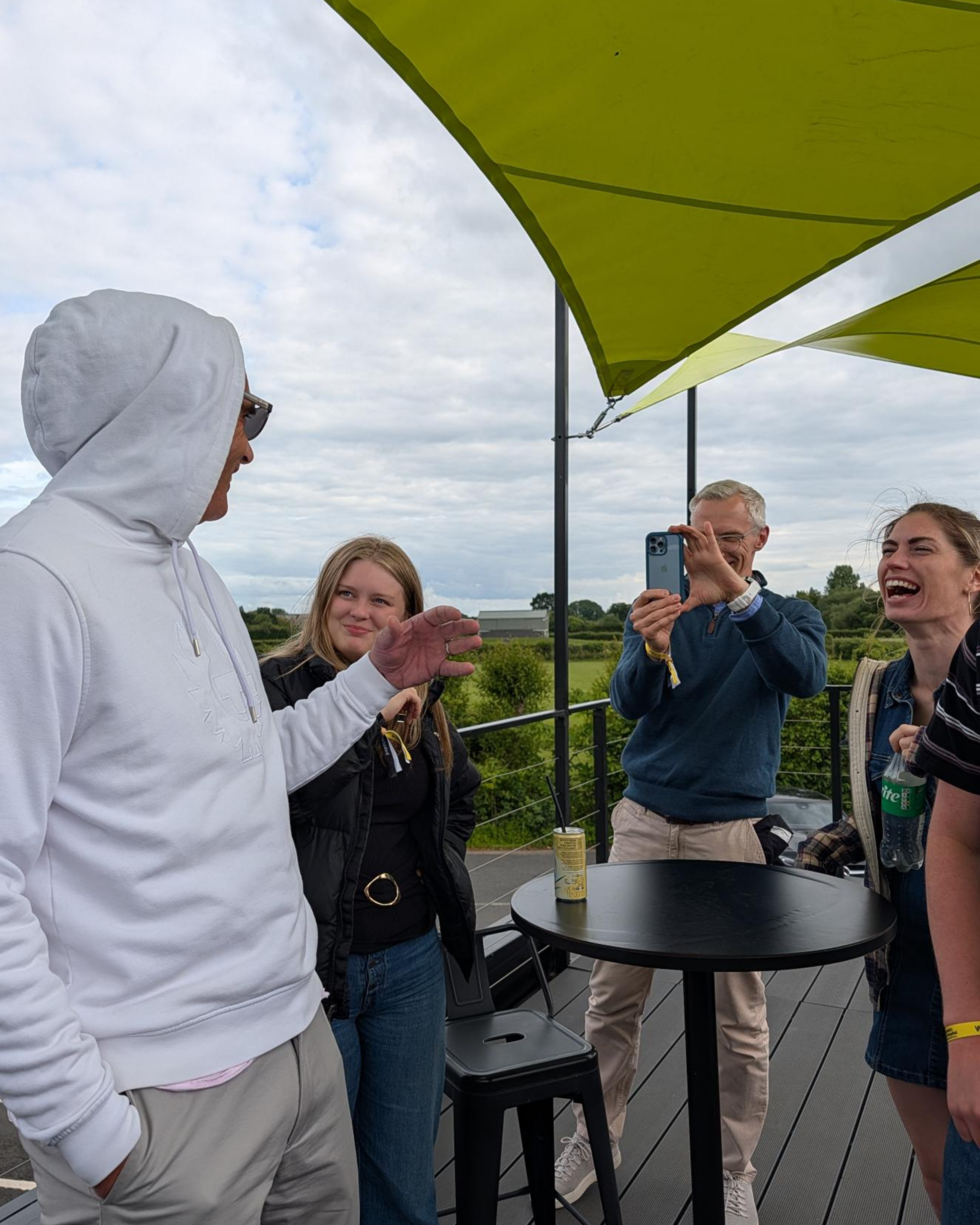
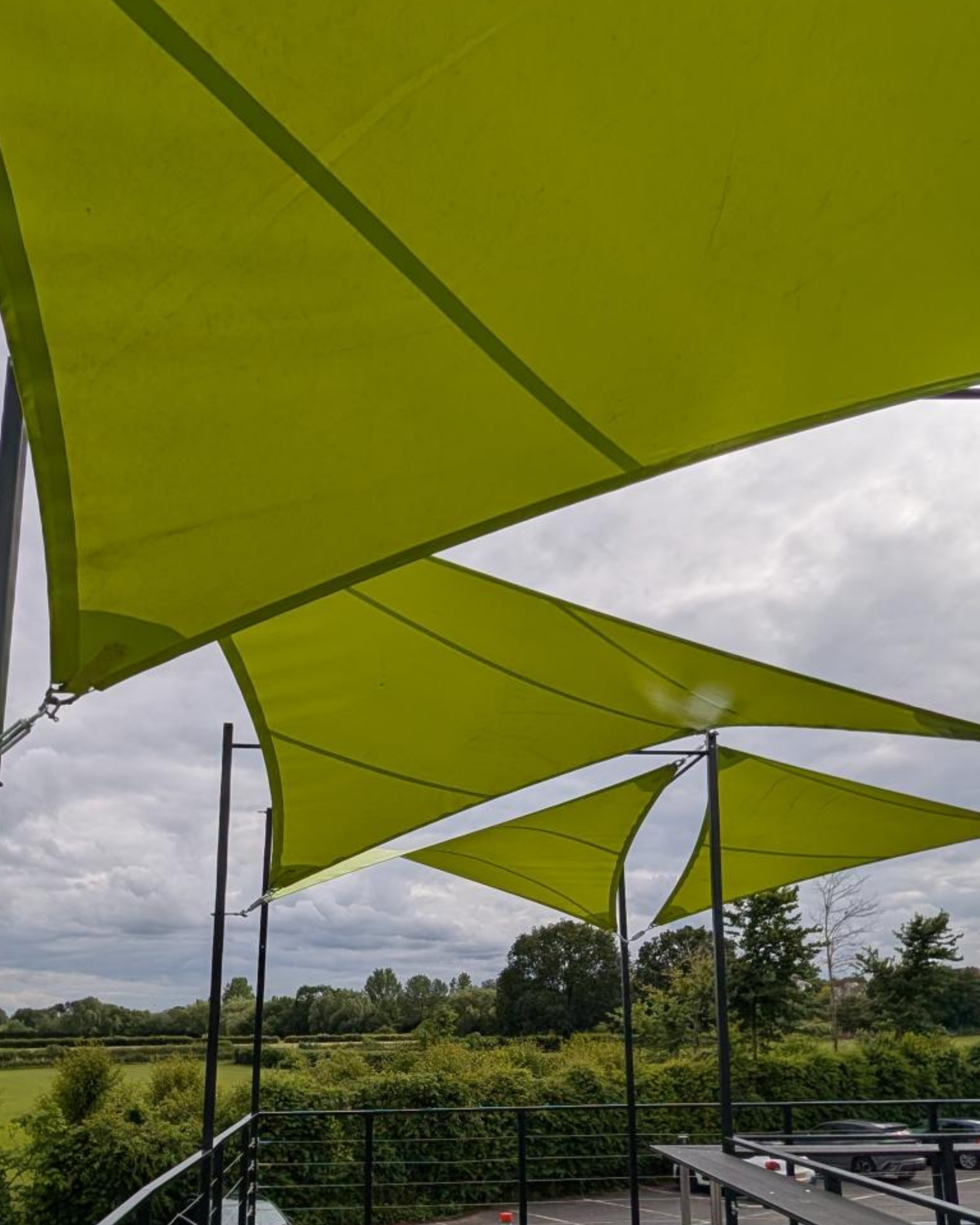
And for the second year running, we’re delighted to take our support a step further by sponsoring one of the club’s hospitality bars, helping to enhance the matchday experience for members, guests and supporters alike. As the hospitality bar reopened for the summer season, there seemed no better way to celebrate than by getting the whole Wodr team together for a day at the cricket.
The Wodr Team Heads to Watch Worcestershire Rapids
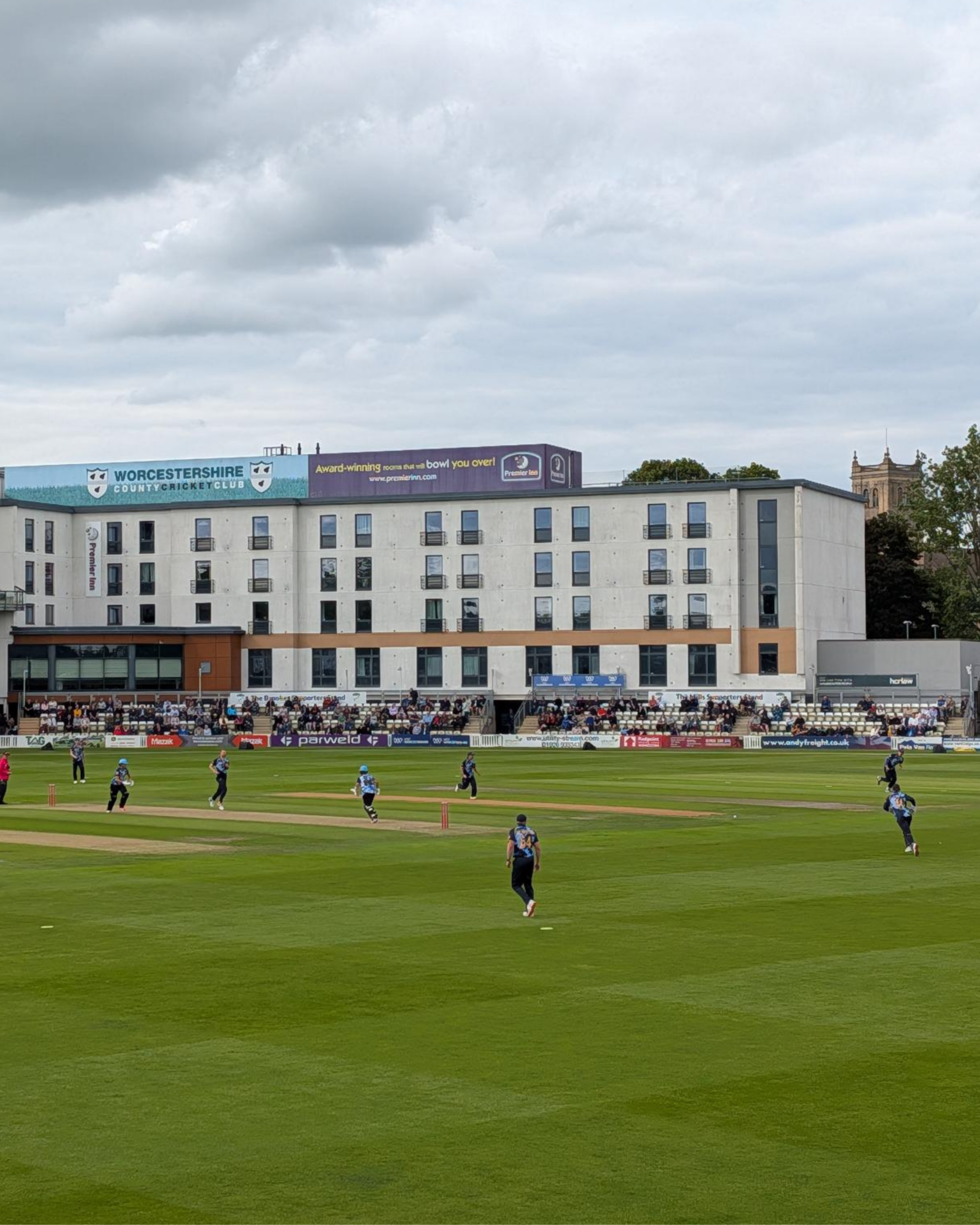
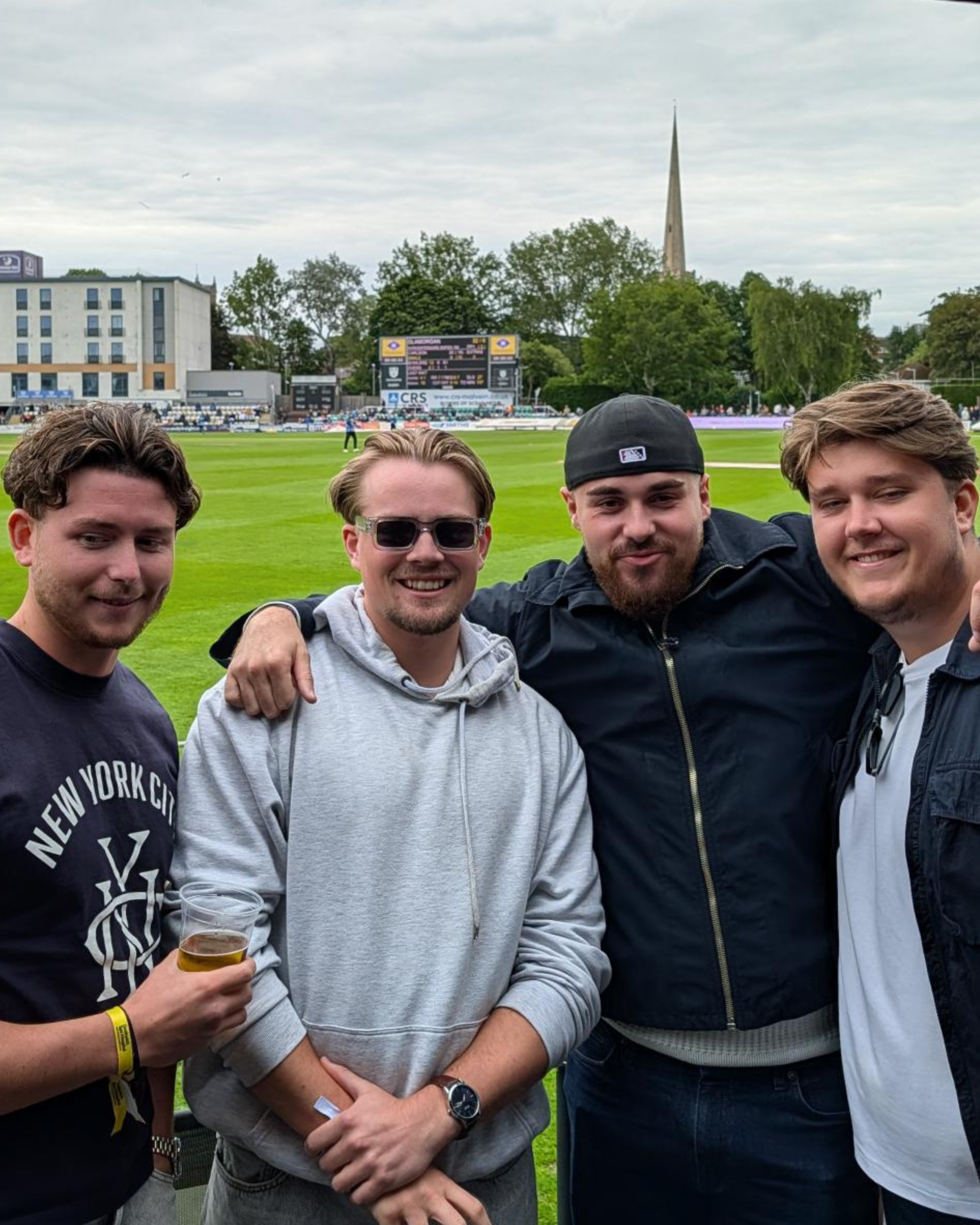
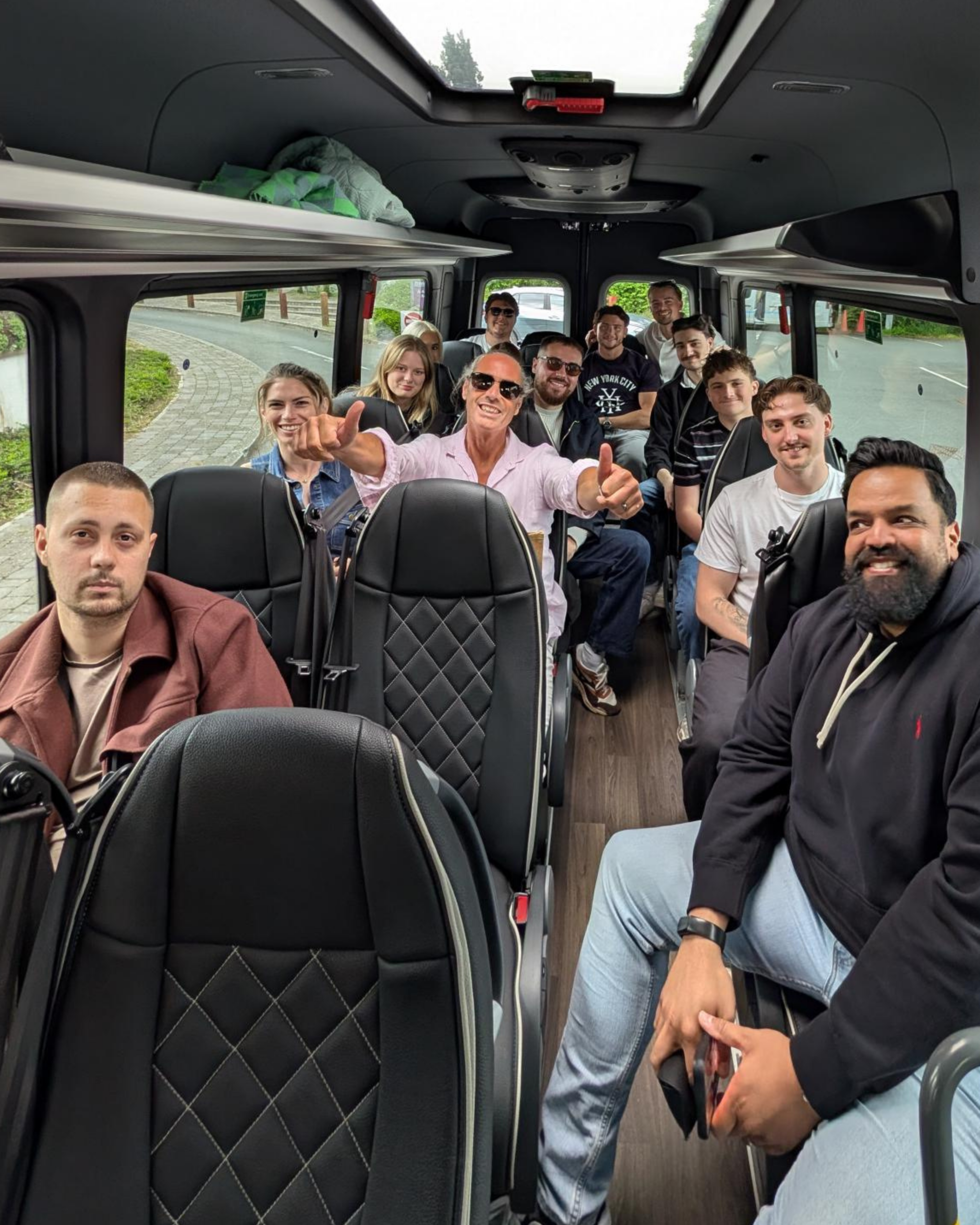
With excitement building, the team jumped aboard a minibus and made the journey to Worcester to enjoy an evening of T20 cricket.
The match certainly didn’t disappoint. Worcestershire Rapids Men posted a competitive 168/8 before restricting Glamorgan Men to 141 all out, securing a convincing 27-run victory for the home side. The atmosphere around the ground was fantastic, and it was great to see supporters enjoying the hospitality facilities throughout the evening.


An Added Bonus!
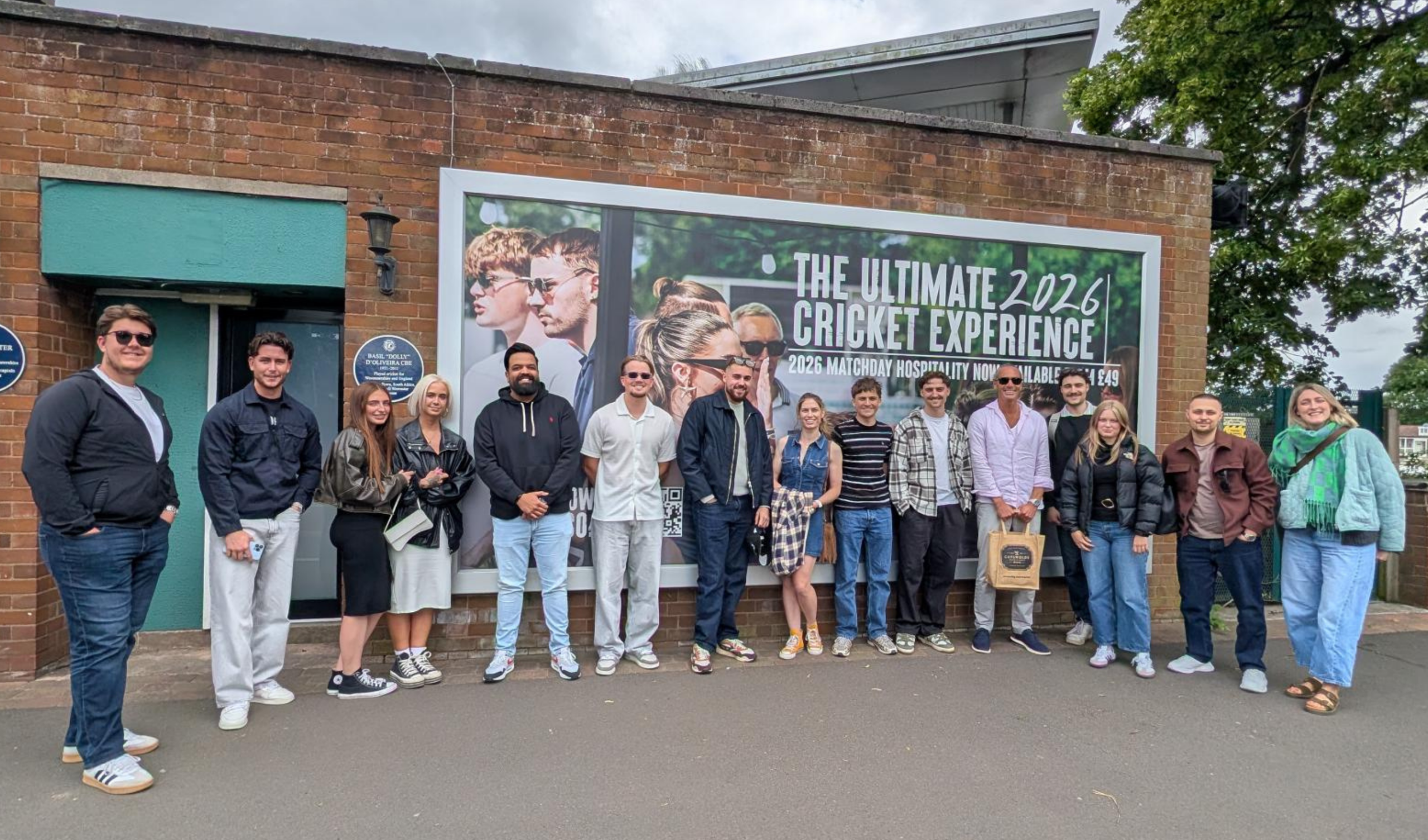
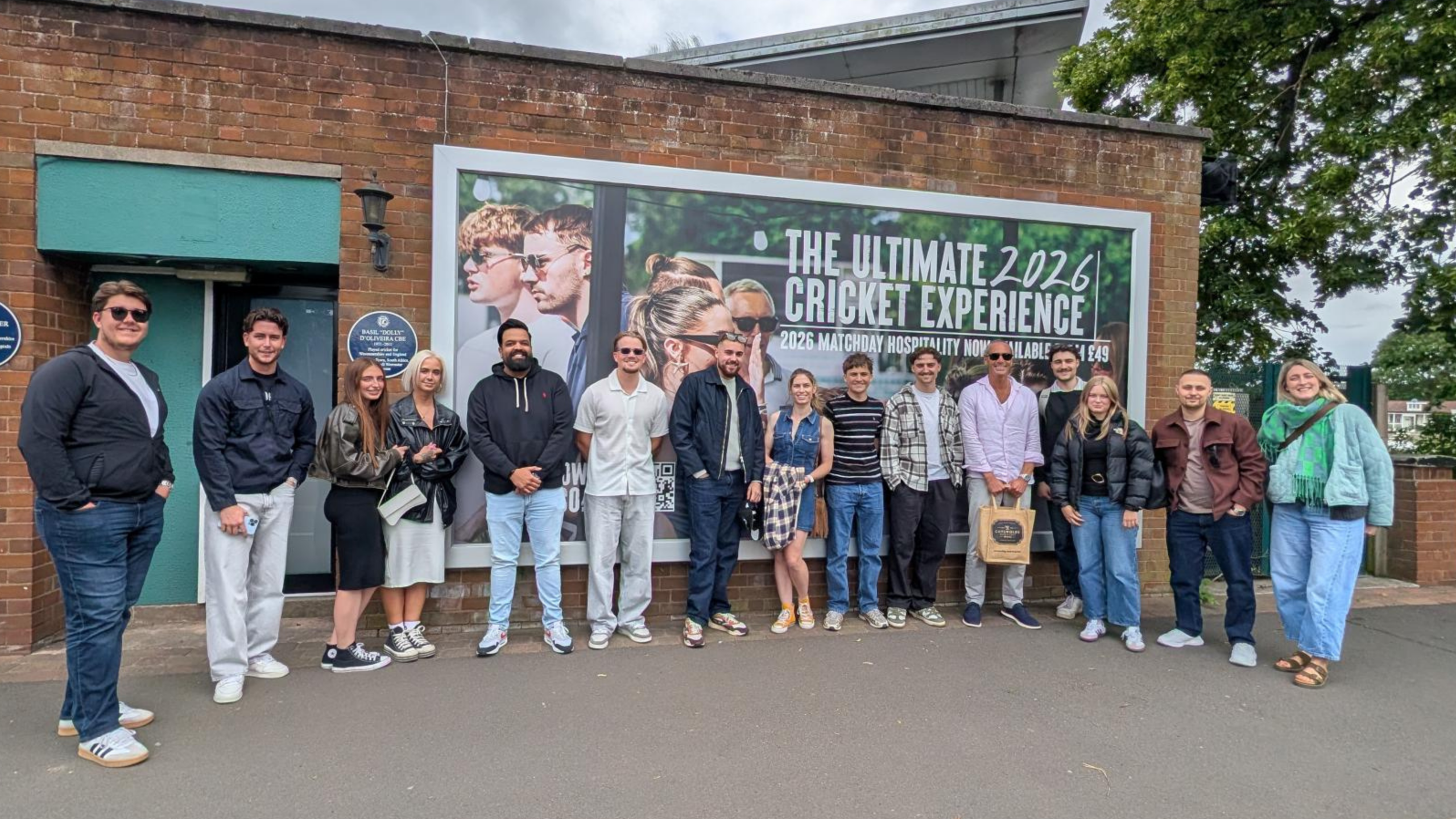
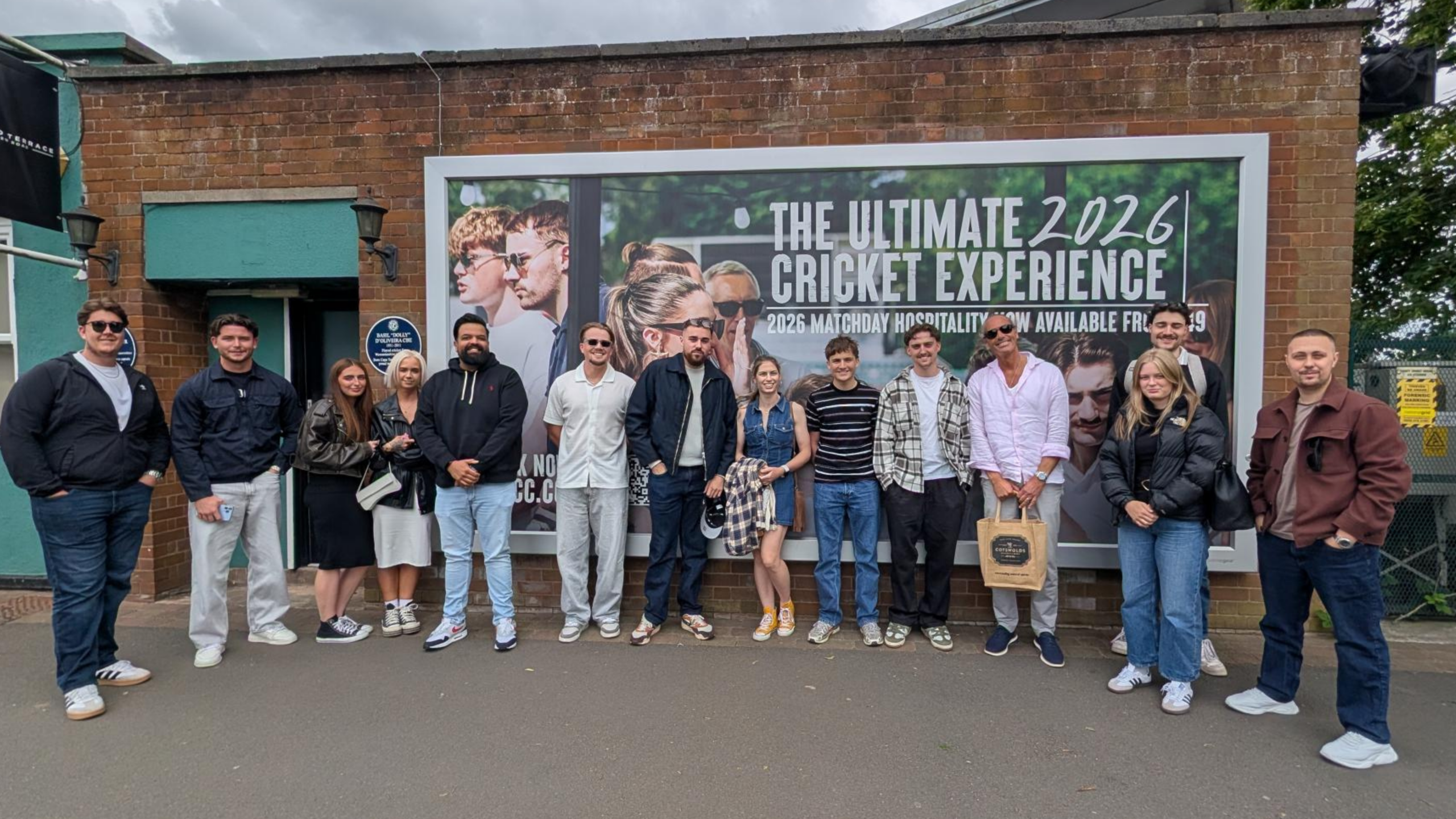
Now, you might think that watching Worcestershire Rapids claim a brilliant victory would be the highlight of the day. But you’d be wrong. As the team made the short walk to the ground, we spotted a few very familiar faces staring back at us from the billboards outside New Road.
There, proudly displayed for everyone arriving at the grounds, were members of our very own Wodr team! The snaps were taken from our visit the previous year (and there was a particular spotlight on Joe!).
Safe to say there were a few surprised reactions, laughter and more than a couple of photo opportunities before we even made it through the gates.
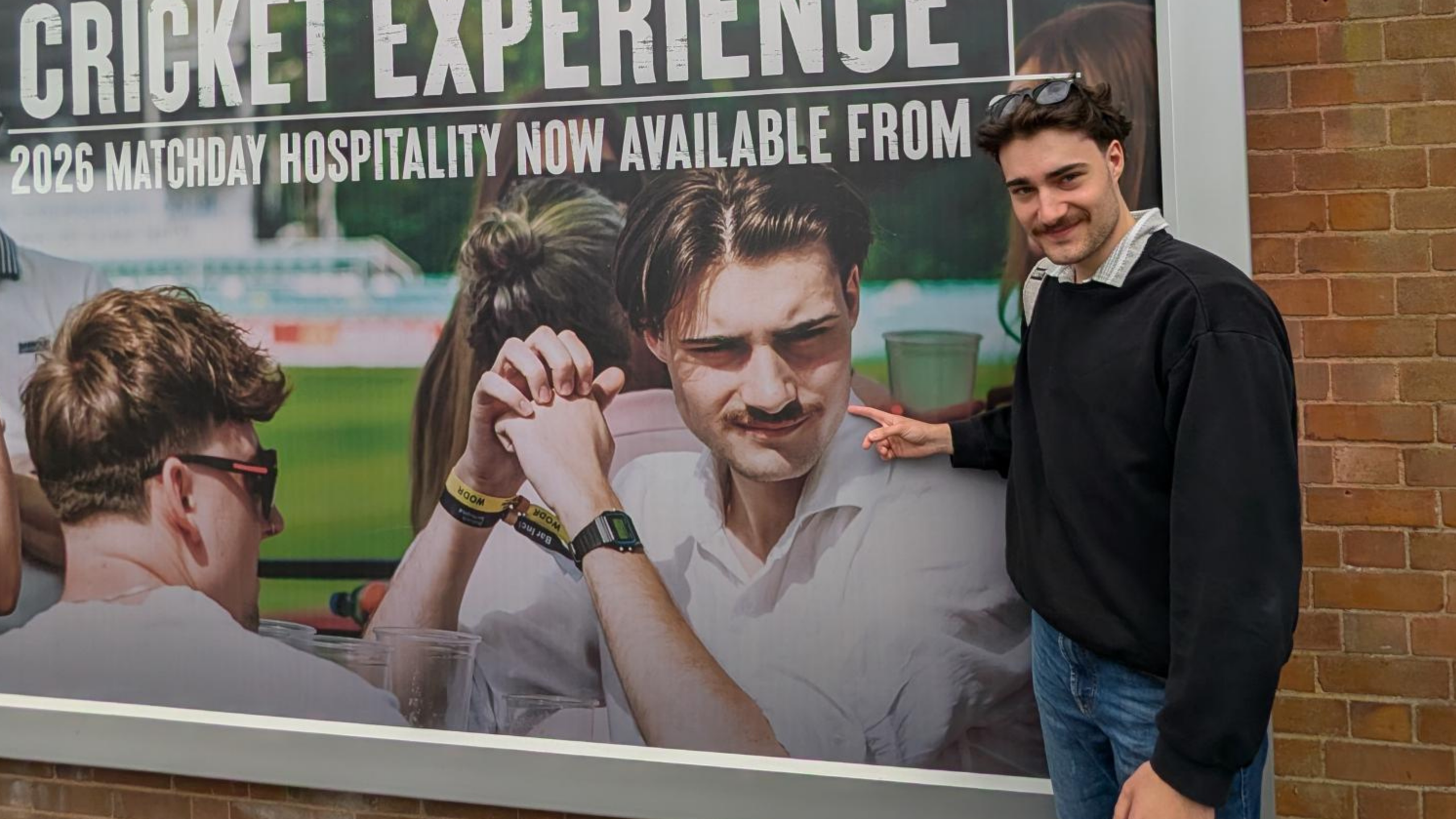
It’s not every day you arrive at a cricket ground and find yourself featured on the billboards
Looking Ahead to More Worcestershire Rapids Action This Summer
Our visit to New Road was a fantastic reminder of why partnerships like this matter. Supporting local clubs strengthens communities, creates memorable experiences and brings people together. We’re proud to work alongside Worcestershire County Cricket Club through our utility services and hospitality bar sponsorship. We look forward to many more successful seasons ahead, both on and off the pitch.
Congratulations to Worcestershire Rapids on a fantastic win, and here’s to a great summer of cricket at New Road.
Looking to reduce costs, improve efficiency or get more from your business water services? Then get in touch with the Wodr team today to see how we can help.

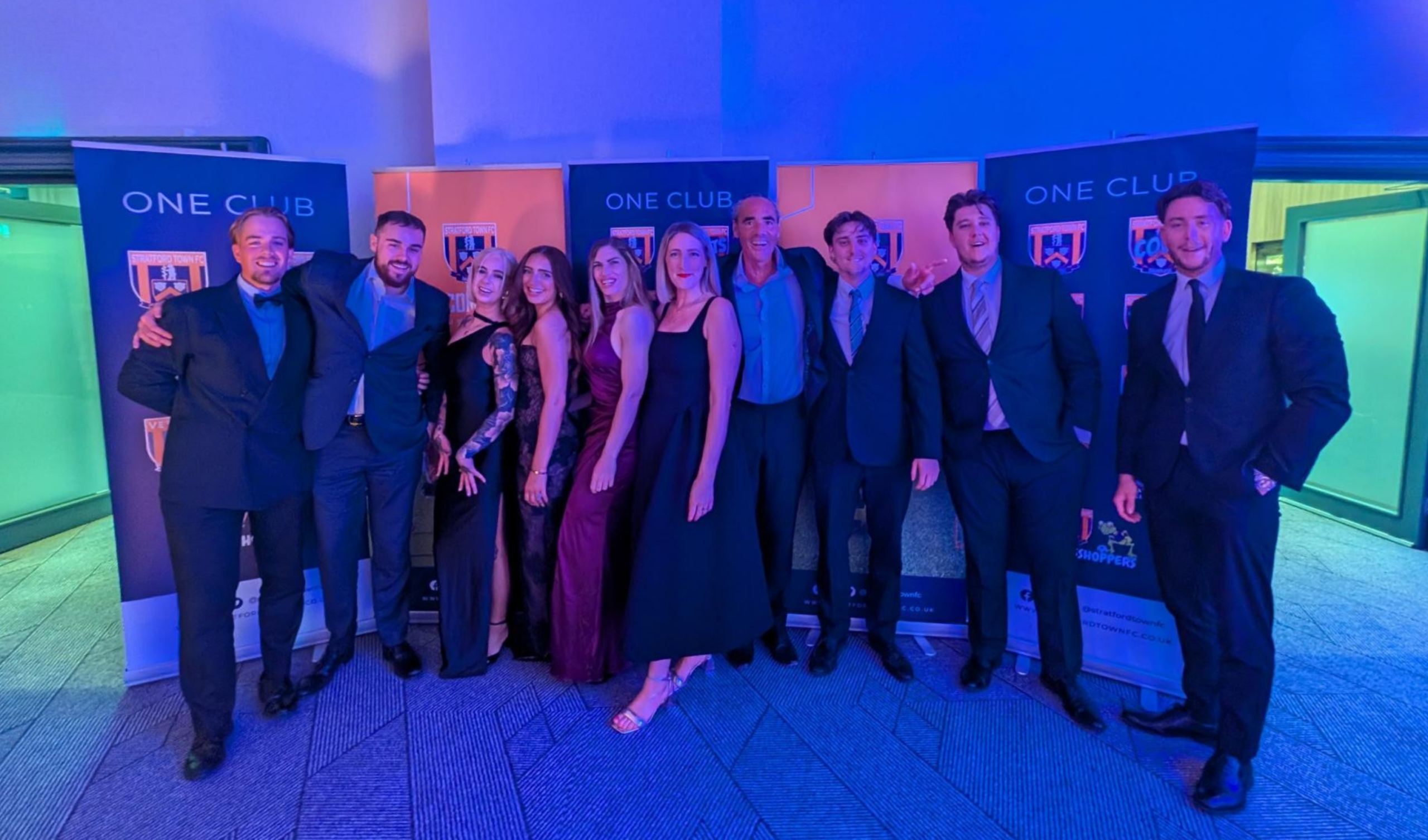
Stratford Town Football Club End-of-Season Awards

The Wodr team was delighted to attend Stratford Town F.C.’s end-of-season awards evening on Saturday.
Joining players, staff, supporters, and volunteers for a memorable night celebrating another fantastic year for the club.
Football clubs are about far more than what happens on the pitch. They bring communities together, create lasting friendships, and provide opportunities for people of all ages to be part of something special. The awards evening was a perfect reflection of that spirit, recognising the hard work, dedication, and commitment that goes into making Stratford Town F.C. such an important part of the local community.
With the sun shining throughout the evening, guests enjoyed drinks on the terrace before the awards ceremony got underway. It provided a wonderful opportunity for everyone to come together, reflect on the season, and celebrate the achievements of those who have contributed both on and off the field.
As proud supporters of the club, it was particularly pleasing to see Wodr represented during the presentations.
Company Director Mark Edwards had the honour of presenting an award to Fin Brennan, recognising his contribution during the season.
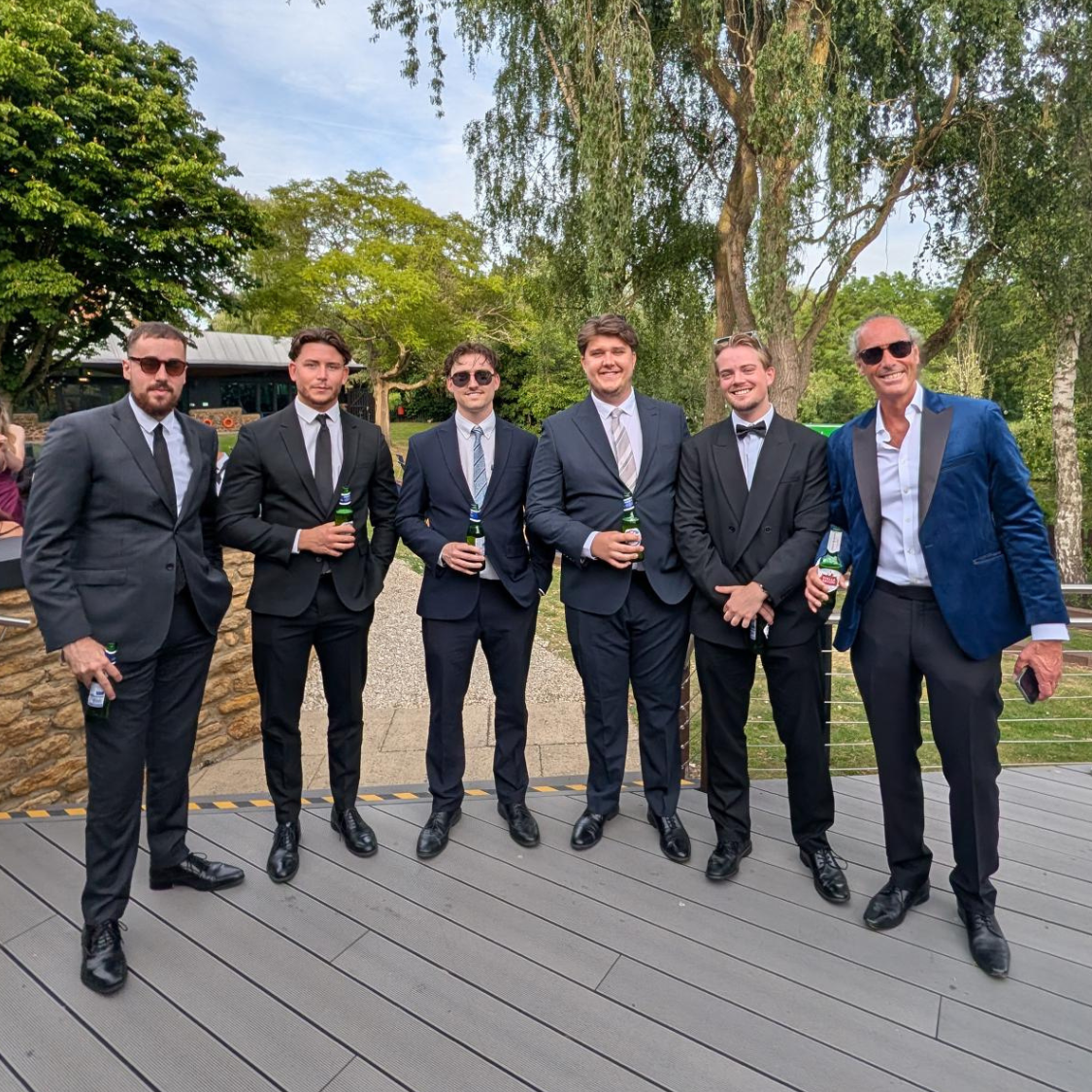

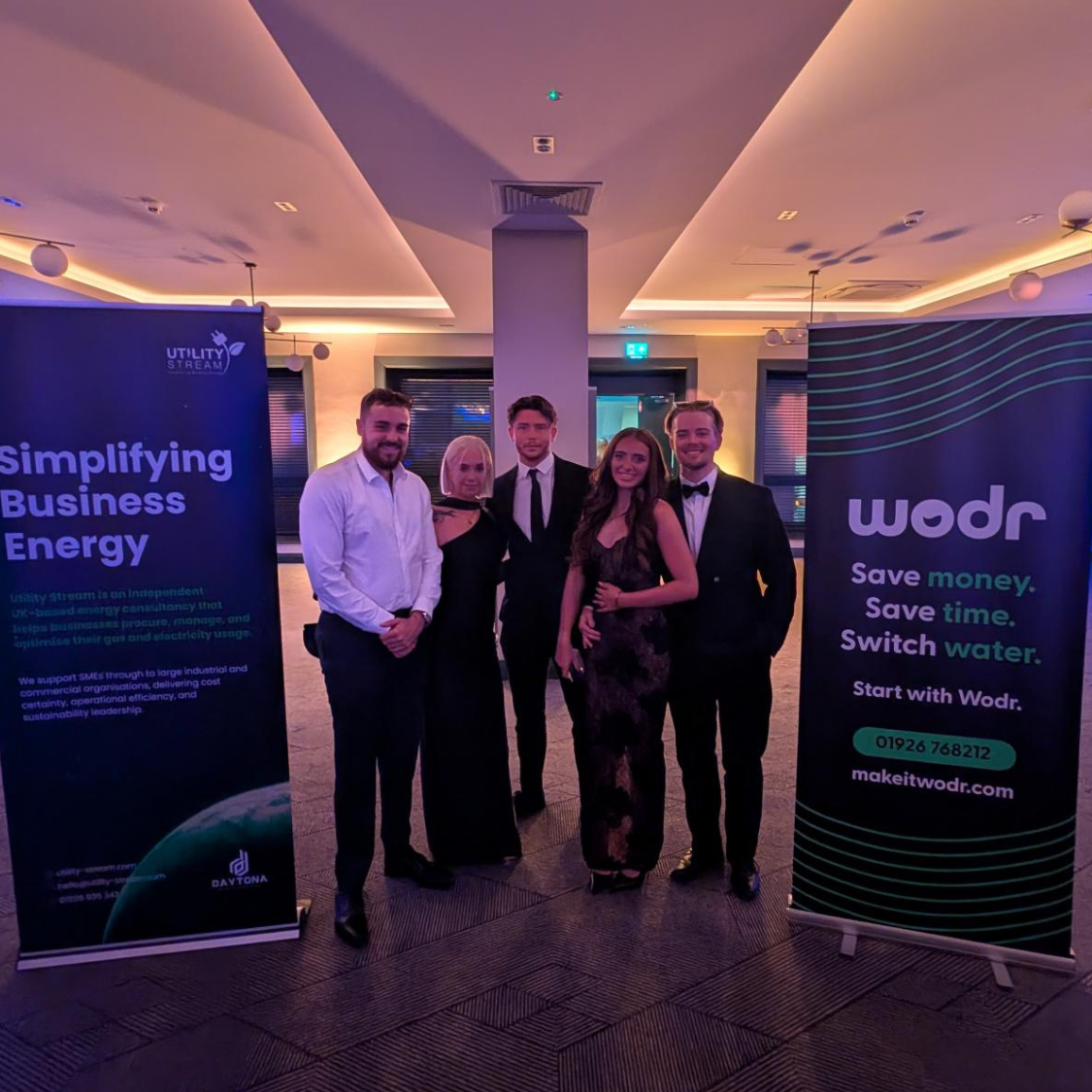

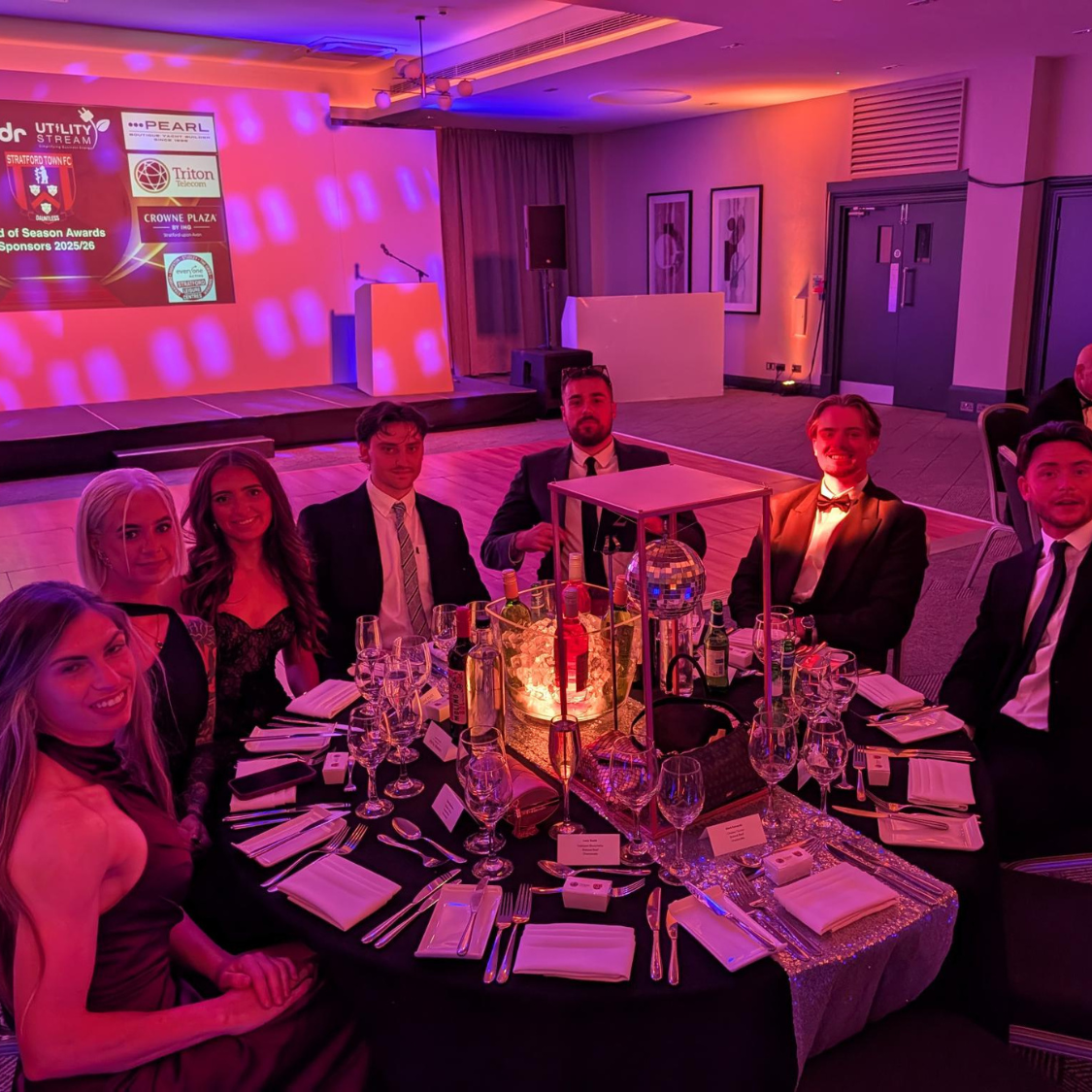
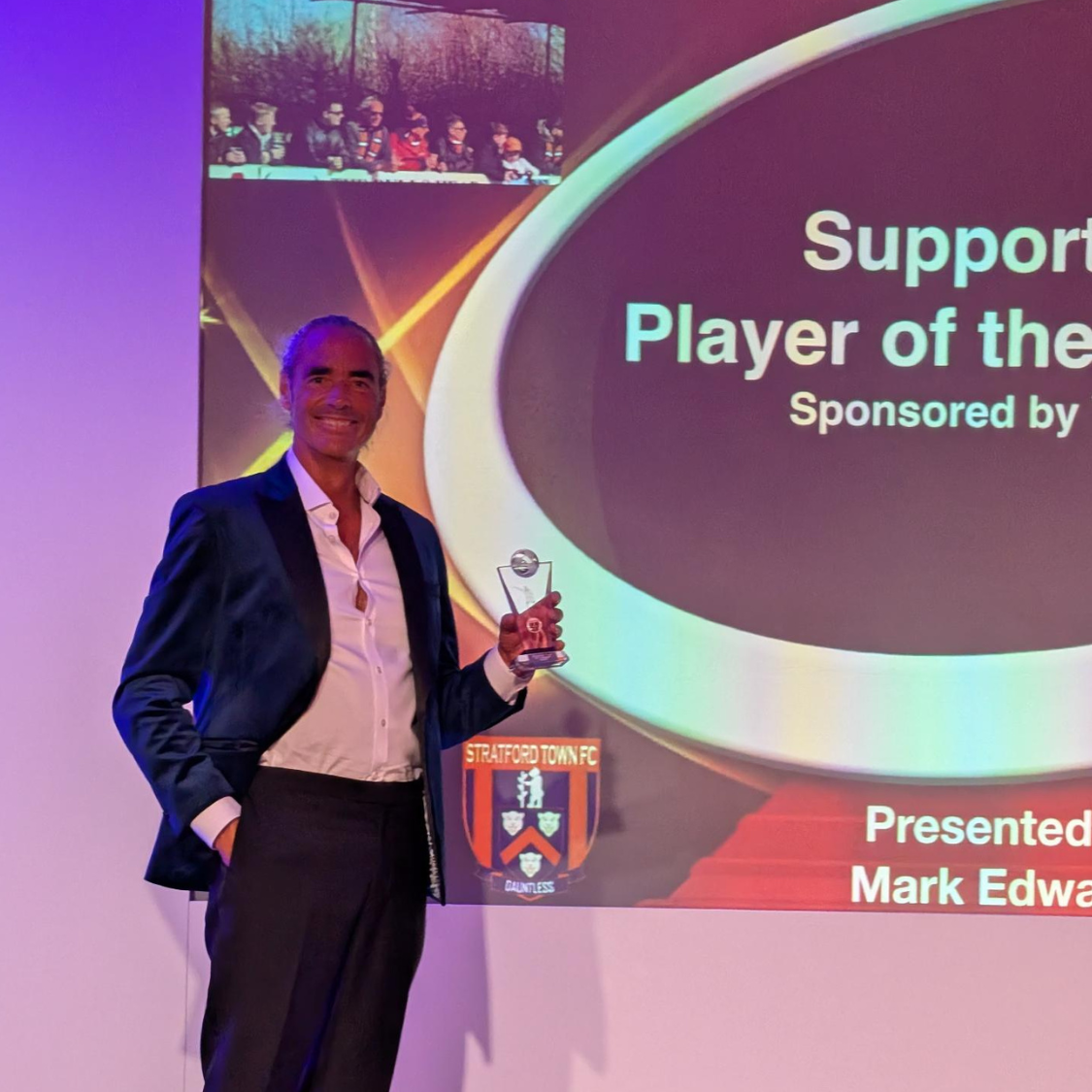
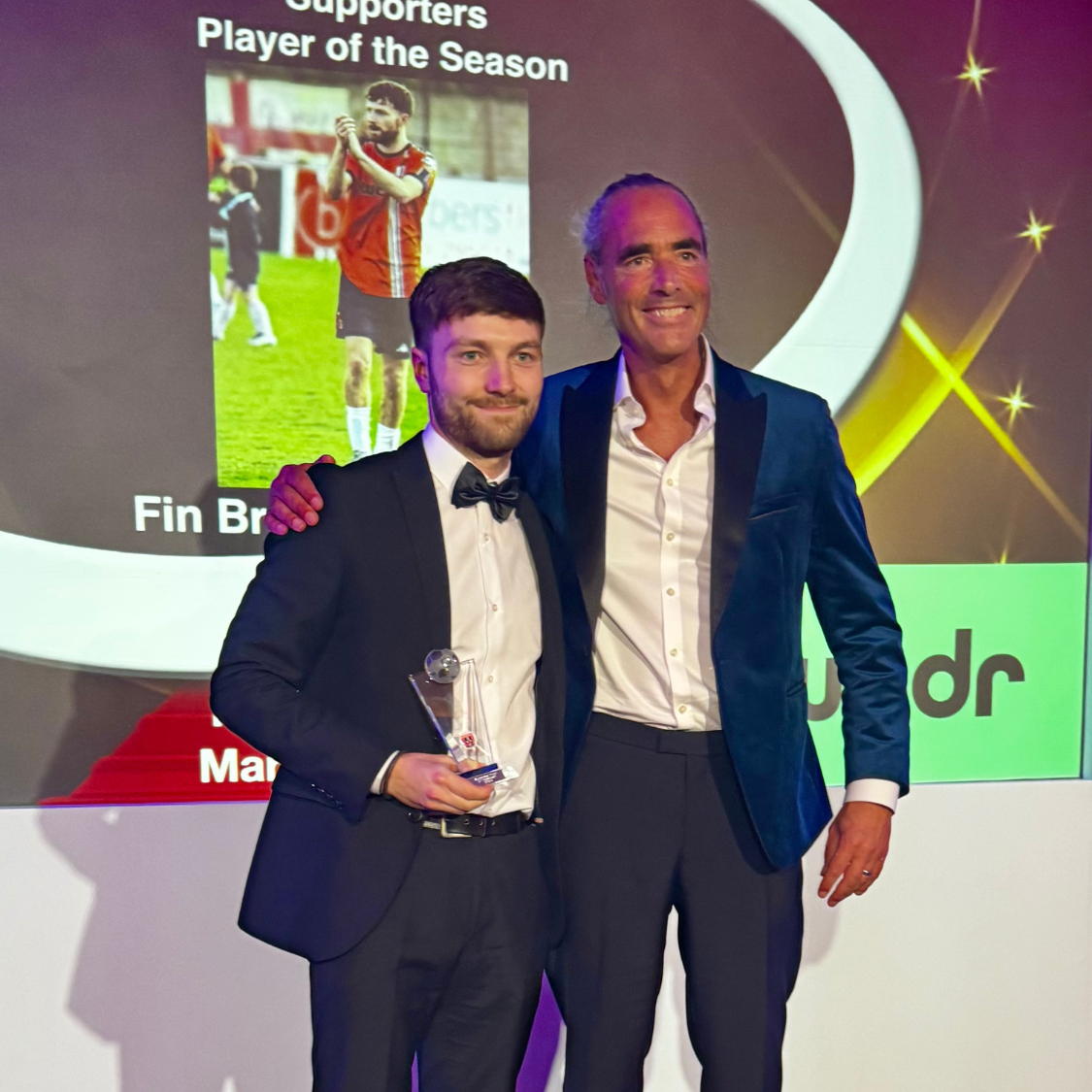

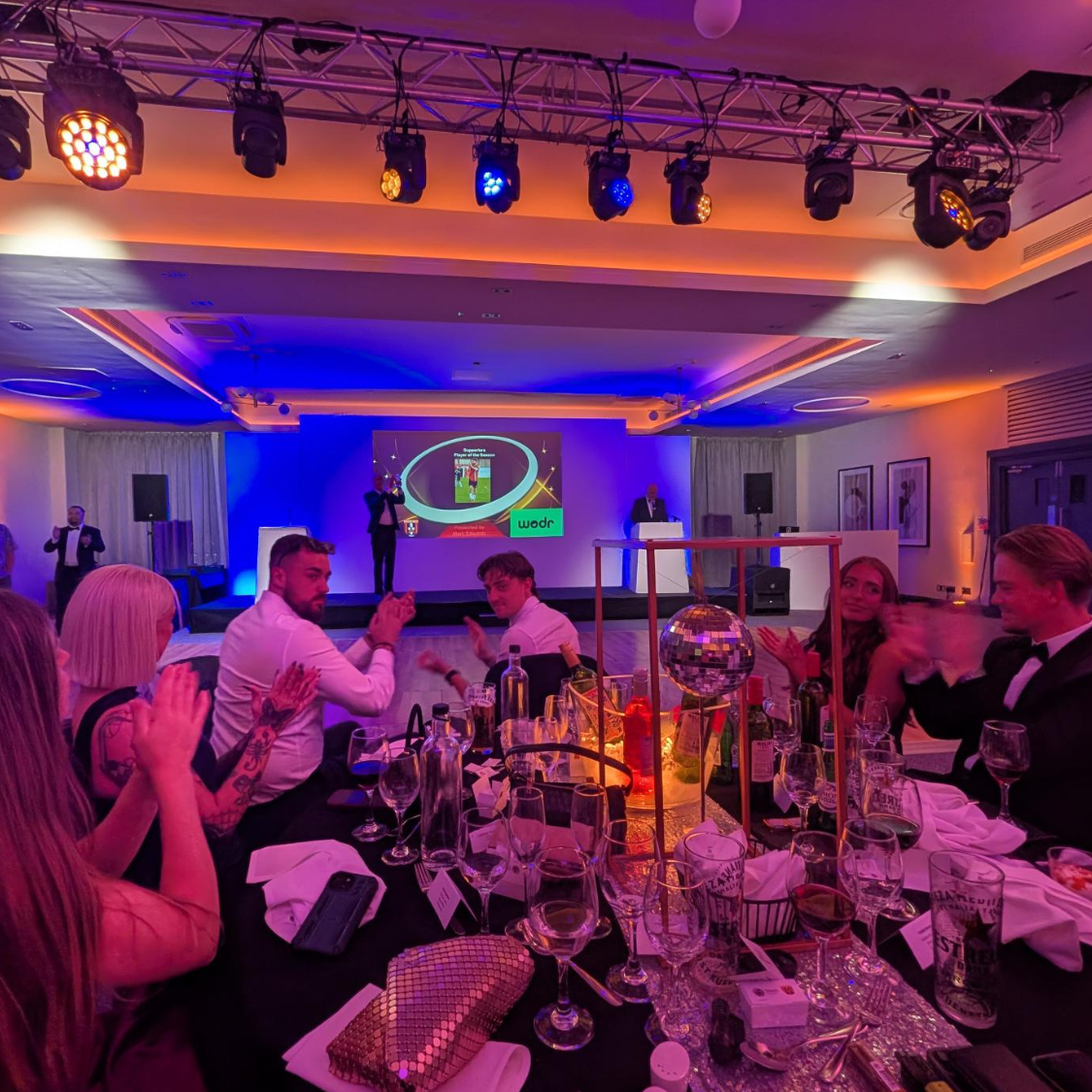

The evening was a fantastic showcase of everything that makes grassroots and non-league football so special. From the players and coaching staff to the volunteers, organisers, and loyal supporters, every individual plays a vital role in the continued success of the club.
We would like to extend our sincere thanks to Steve and the entire Stratford Town F.C. team for organising such an enjoyable and well-run event. Their dedication behind the scenes is a huge part of what makes the club such a success.

Exciting News: The New Kit Is Coming Soon
As a proud sponsor of Stratford Town F.C., we’re also excited to announce that the club’s new kit will be unveiled in the coming weeks.
The new design will proudly feature Wodr as the shirt sponsor, and we can’t wait to see supporters wearing the colours with pride next season.
If you’d like to be among the first to get your hands on the new kit before the World Cup kicks off, keep an eye on our channels and follow this link to hear more about the shirt design and learn how to secure yours.
We look forward to continuing our partnership with Stratford Town F.C. and supporting the club both on and off the pitch for many seasons to come.
Up the Bards! ⚽


Why Sports & Leisure Venues Need a Smarter Water Strategy
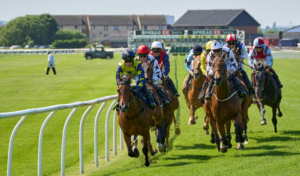
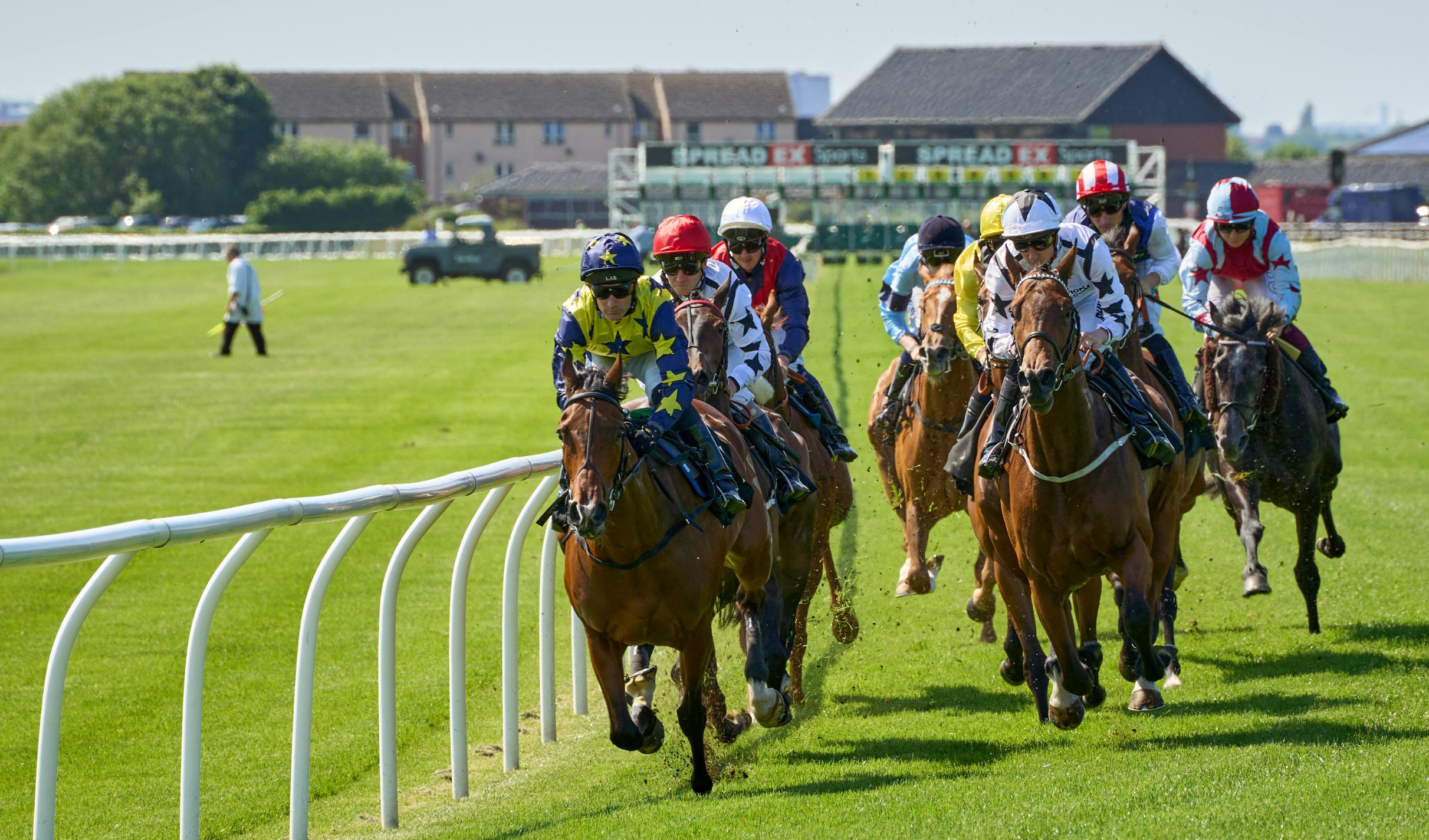
From international tennis tournaments to major race weekends, sports and leisure venues face a unique challenge when it comes to water usage.
For much of the year, demand may remain relatively stable and manageable. Then suddenly, during a major event, water consumption can surge dramatically due to:
- Thousands of visitors using toilets and washroom facilities.
- Hospitality and catering operations.
- Ground irrigation and turf management.
- Temporary event infrastructure.
- Cleaning and maintenance requirements.
- Increased wastewater and drainage demands.
For venues such as racing circuits, exhibition grounds, stadiums, and outdoor event spaces, these short but intense spikes in demand can create significant cost pressures if not managed correctly.
The Problem with “One-Size-Fits-All” Water Contracts
Many venues end up paying for water services based on their peak demand profile year-round — even if those peaks only occur during a handful of events annually.
This can lead to:
- Higher standing charges.
- Oversized supply agreements.
- Inefficient wastewater tariffs.
- Poor visibility of event-driven consumption.
- Limited flexibility when demand changes seasonally.
A venue that hosts two or three major events each year should not necessarily be paying as though those demand levels occur every week.
That’s where a strategic water management approach becomes essential.
Why Contract Structure Matters For Sports & Leisure Organisations
One of the biggest opportunities for sports and leisure venues is ensuring they are on the right type of water contract for their operational model.
Many venues are still tied into arrangements that were designed around historic demand levels or standard commercial usage assumptions. For businesses with highly seasonal or event-led consumption, this can result in unnecessary costs throughout the year.
At Wodr, contract reviews form a key part of developing a smarter water strategy.
Flexible Contracts
For venues with significant fluctuations in attendance and usage, flexible contract structures can provide better cost alignment.
This may include:
- Tariffs designed around seasonal demand.
- Agreements that better reflect actual annual consumption.
- Flexible wastewater arrangements during event periods.
- More accurate standing charges linked to realistic operational needs.
For example, a racing circuit may require high capacity for several race weekends but minimal demand during off-season months. A more flexible approach can help avoid paying peak-level charges year-round.
Fixed Contracts
In some cases, fixed-rate agreements may still provide value, particularly where venues want:
- Greater budget certainty.
- Protection from future price increases.
- Long-term cost planning stability.
Wodr helps businesses assess whether a fixed arrangement genuinely supports their usage profile or whether more adaptive procurement options may deliver better value.
Metering & Supply Reviews
Contract strategy is not only about tariff pricing.
Wodr also reviews:
- Meter sizes and accuracy.
- Supply capacity requirements.
- Wastewater assumptions.
- Surface water drainage charges.
- Site infrastructure and operational changes.
For venues that have expanded, redeveloped, or changed event operations over time, these legacy arrangements can often become outdated and unnecessarily expensive.
How Wodr Supports Sports & Leisure Venues
Wodr helps businesses develop tailored water strategies that align with their actual operational profile — particularly for venues with fluctuating or seasonal demand.
Rather than simply renewing an existing contract, Wodr works with venues to understand:
- Annual usage patterns.
- Peak event periods.
- Wastewater generation.
- Site infrastructure.
- Metering arrangements.
- Irrigation and grounds maintenance requirements.
This allows Wodr to help businesses procure more suitable agreements with water retailers while identifying opportunities to reduce unnecessary fixed costs.
Water Strategy Is Now Part of Event Strategy
As operating costs continue to rise, water is becoming a more important area of focus for sports and leisure operators.
The right strategy can help venues:
- Reduce unnecessary expenditure.
- Improve sustainability performance.
- Increase operational resilience during major events.
- Better forecast event-related costs.
- Support ESG and environmental objectives.
For venues with highly variable demand, a proactive water strategy is no longer just a procurement exercise — it is part of running an efficient event operation.
Wodr Understands Sports & Leisure Businesses…
Every venue is different. A racing circuit, golf club, stadium, or tournament venue will all have unique usage patterns and operational pressures.
By combining strategic water planning with smarter retailer procurement, Wodr helps sports and leisure venues gain greater control over costs while ensuring they are prepared for peak event demand when it matters most.