

Consumption Monitoring: How Wodr's Daytona Platform Supports Your Net Zero Goals

As businesses work towards ambitious sustainability targets, having accurate consumption monitoring in place is becoming essential. Understanding how your organisation uses water and energy is the first step towards reducing waste, lowering costs, and achieving Net Zero objectives.
At Wodr, our Daytona Platform provides advanced consumption monitoring capabilities that help businesses track utility usage, identify inefficiencies, and stay on target throughout their sustainability journey.
Set Meaningful Consumption Targets
Effective Net Zero planning starts with understanding your current utility usage. Through Daytona’s consumption monitoring capabilities, Wodr can help establish realistic water consumption reduction targets based on your historical usage and business requirements.
By setting measurable goals, your business can track progress and make informed decisions that support long-term sustainability objectives.
Continuous Consumption Monitoring Throughout Your Contract
Setting targets is only the beginning. Maintaining visibility over your utility usage is what drives real results.
Daytona provides continuous consumption monitoring throughout the duration of your contract, allowing both your business and Wodr to track performance against agreed targets. This ongoing monitoring ensures you always know whether you’re on course to meet your sustainability goals.
Our team actively reviews your data and helps translate complex information into practical recommendations.
Early Warning Alerts
Unexpected increases in usage can quickly impact both budgets and sustainability targets.
Our consumption monitoring system can be configured to provide alerts and notifications when usage patterns suggest you may exceed your targets. This early-warning approach allows corrective action to be taken before excessive consumption becomes a costly problem.
Rather than simply reporting the data, Wodr works with you to identify opportunities for improvement and reduce unnecessary usage.
Consumption Monitoring Helps Detect Leaks and Unusual Usage
Hidden leaks and operational inefficiencies are common causes of excessive water consumption.
Daytona’s consumption monitoring tools analyse usage patterns to identify unusual spikes and abnormal behaviour that could indicate leaks or equipment issues. Detecting these problems early can help reduce waste, minimise costs, and support your Net Zero commitments.
This proactive approach enables businesses to address issues before they escalate into significant operational challenges.
Tailored Reports Delivered Directly to Your Inbox
Data is only valuable when it’s easy to understand and act upon.
That’s why Wodr provides customised consumption monitoring reports directly to your inbox. These reports give you a clear overview of performance, progress against targets, usage trends, and opportunities for further efficiencies.
You receive the information you need, without having to spend hours analysing utility data yourself.
A Complete Utility Overview
Sustainability requires a complete view of utility consumption.
In addition to water consumption monitoring, our sister company, Utility Stream, provides specialist energy utilities consultancy that integrates directly with the Daytona platform. Together, this delivers a complete view of utility performance across your organisation, enabling you to better understand the link between water and energy consumption and identify further efficiency opportunities.
Whether you operate from a single site or manage multiple locations, Daytona delivers a centralised view of utility performance across your entire business.
Wodr: Partnering With You, To Support Your Net Zero Success
Achieving Net Zero is an ongoing process that requires visibility, accountability, and continuous improvement.
Through advanced consumption monitoring, intelligent alerts, leak detection, and comprehensive reporting, Daytona helps businesses reduce waste, improve efficiency, and make measurable progress towards their environmental goals.
At Wodr, we’re committed to helping organisations gain greater control over their utility usage while simplifying the path to Net Zero.
Ready to Improve Your Consumption Monitoring?
Contact Wodr today to learn how the Daytona Platform can provide advanced consumption monitoring for water and energy usage, helping your business reduce waste, lower costs, and achieve its sustainability objectives.

Reducing Leakage: A Practical Route to Net Zero and Carbon Savings
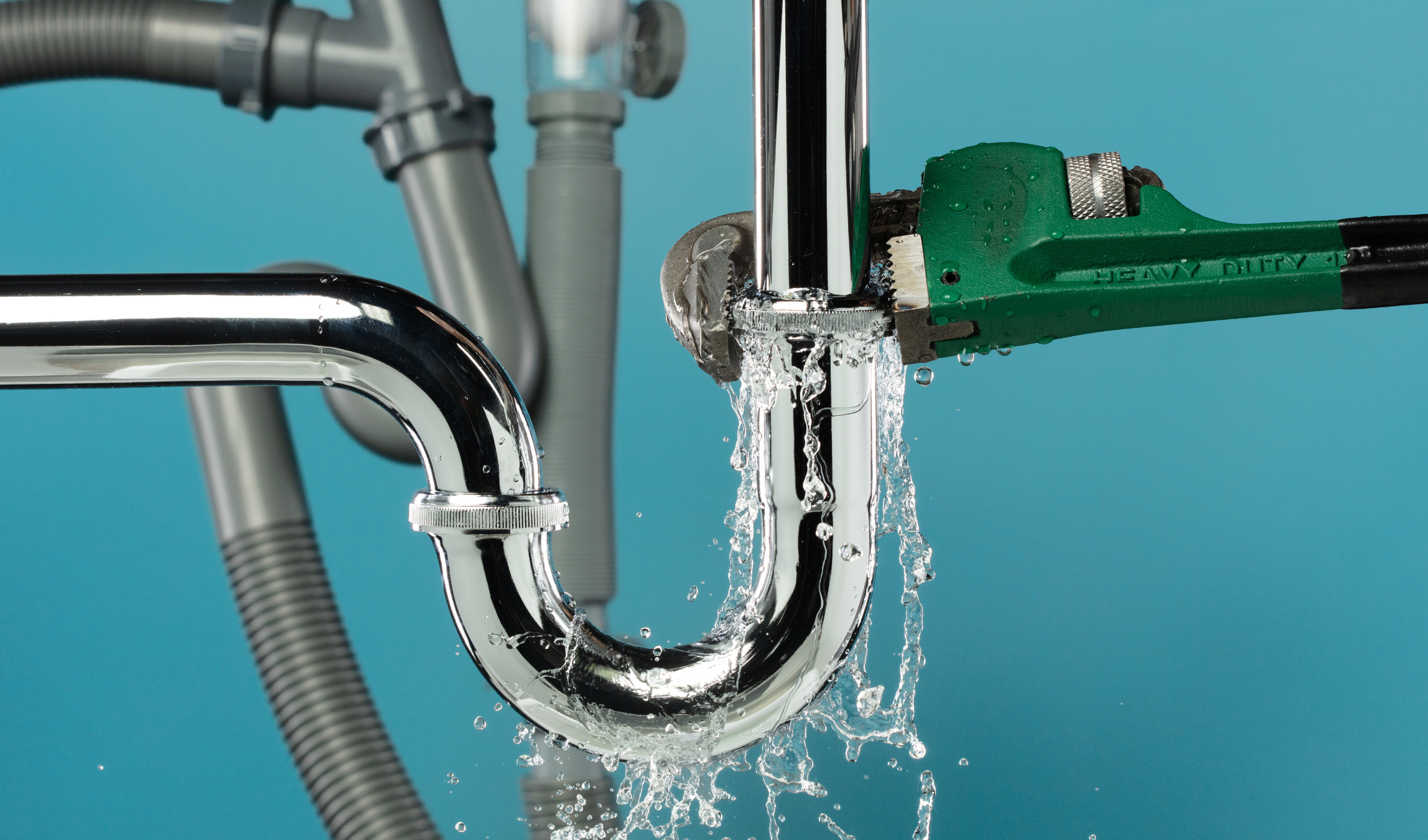
As organisations across the UK continue their journey towards net zero, much of the conversation focuses on renewable energy, fleet electrification, sustainable procurement and carbon offsetting. While these initiatives all have an important role to play, one often overlooked opportunity lies in reducing water leakage and unnecessary water consumption.
Water is a valuable resource, and every litre lost through leaks represents more than just wasted water. It also represents wasted energy, wasted resources and avoidable carbon emissions. By identifying and addressing leakage, businesses can make meaningful progress towards both their sustainability goals and operational efficiency targets.
The Hidden Carbon Cost of Water
Water does not arrive at taps, production lines or commercial premises without a carbon footprint.
Before water reaches a business, it must be abstracted from rivers, reservoirs or groundwater sources, treated to meet quality standards and transported through extensive distribution networks. Each stage requires energy, infrastructure and resources.
When water is lost through leaks within a building, facility or wider estate, all of the carbon emissions associated with treating and supplying that water are effectively wasted. This is often referred to as the embedded carbon of water. The greater the volume of water lost, the greater the associated environmental impact.
For organisations looking to reduce their carbon footprint, tackling leakage offers an opportunity to improve water efficiency while simultaneously reducing indirect emissions.
Cutting Carbon Through Smarter Water Efficiency
Water scarcity is becoming an increasing concern across many parts of the UK. At the same time, regulators, investors, customers and stakeholders are placing greater emphasis on sustainable resource management.
Many organisations now include water reduction targets within their wider ESG and net zero strategies. Reducing leakage can help businesses:
- Lower operational carbon emissions.
- Reduce water consumption and associated costs.
- Improve resource efficiency.
- Support environmental and sustainability commitments.
- Strengthen resilience against future water shortages.
- Demonstrate responsible business practices.
As climate pressures increase and sustainability reporting becomes more important, effective water management is becoming a key component of corporate environmental strategies.
Smart Monitoring Is Transforming Leakage Detection
Historically, leaks often went unnoticed until they became visible, caused damage or generated unexpectedly high water bills.
Today, advances in smart monitoring technology are helping organisations identify and address leaks far more quickly.
Connected sensors, automated meter reading systems and real-time monitoring platforms provide greater visibility into water usage patterns, allowing businesses to detect unusual consumption before small leaks become major problems.
The benefits of smart water monitoring include:
- Faster leak detection.
- Reduced water losses.
- Lower utility costs.
- Improved operational efficiency.
- Better asset management.
- More informed sustainability reporting.
By gaining greater insight into how water is being used across their operations, businesses can take proactive action to reduce waste and improve performance.
The Financial Benefits of Leakage Reduction
The business case for tackling leakage extends beyond sustainability.
Every litre of water lost through a leak still incurs the cost of supply, treatment and distribution. In many cases, leaks can continue undetected for weeks or months, significantly increasing operating costs.
Reducing leakage can help organisations:
- Lower water and wastewater charges.
- Reduce energy consumption associated with water use.
- Minimise the risk of property damage and disruption.
- Improve the lifespan of plumbing and infrastructure assets.
- Avoid costly emergency repairs.
At a time when businesses are under increasing pressure to manage costs and improve environmental performance, reducing water losses can deliver measurable benefits on both fronts.
Supporting a Sustainable Future
Achieving net zero will require action across every area of business operations. While major decarbonisation projects often attract the most attention, reducing water leakage remains one of the simplest and most immediate ways to reduce resource waste and lower environmental impact.
By combining proactive leakage management with smart monitoring technologies and data-driven decision-making, organisations can conserve valuable water resources, improve operational efficiency and accelerate progress towards their sustainability goals.
In the transition to a lower-carbon future, every litre saved matters.
Net Zero and Water: How Business Water Use Impacts Your Carbon Footprint
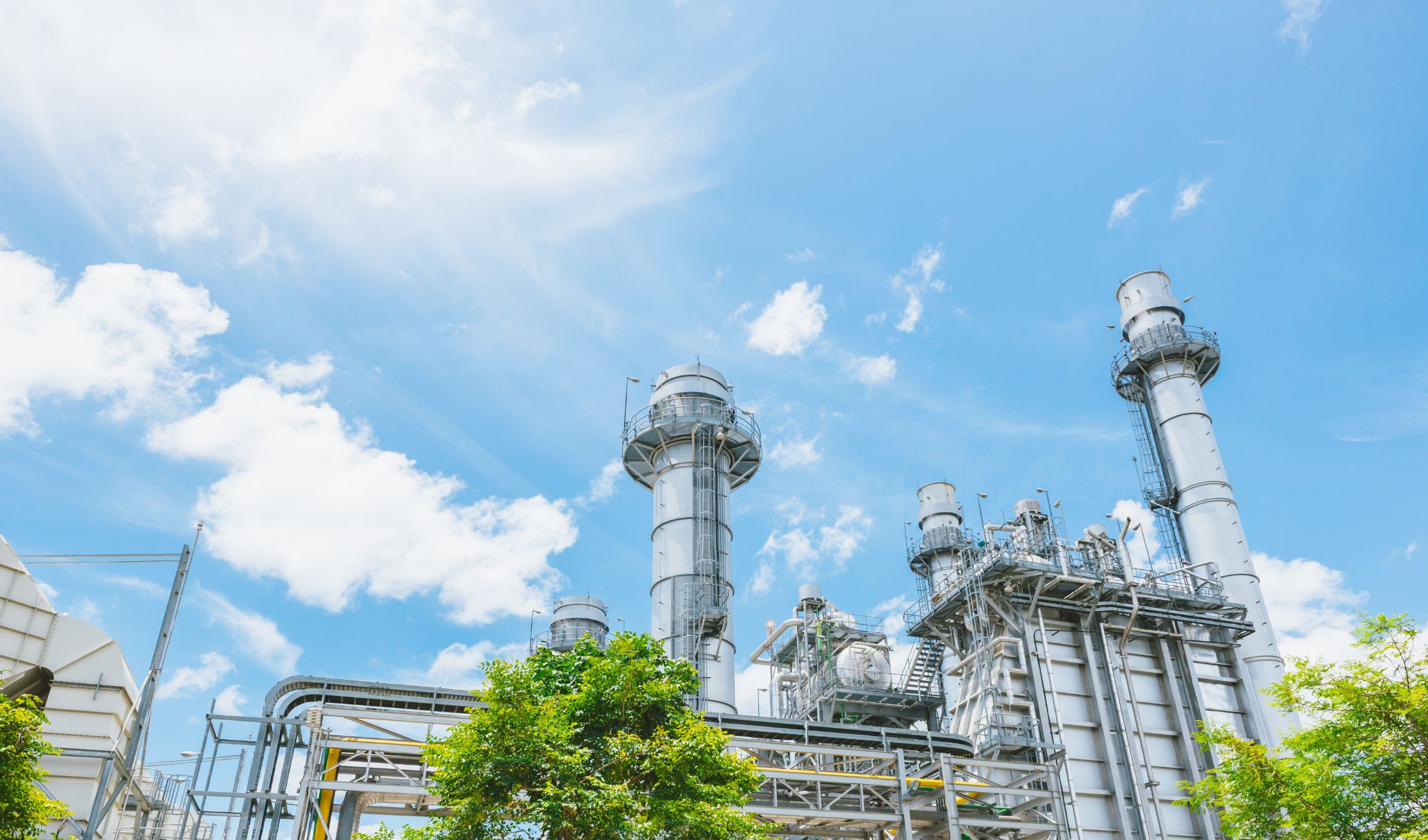
As UK businesses accelerate their journey toward net zero, water is often overlooked as a key part of the environmental equation.
While energy and transport dominate carbon discussions, the water your business uses — from heating and cooling to production processes — has a direct and measurable impact on your carbon footprint. Understanding this link is essential for achieving sustainability goals, reducing costs, and staying compliant with emerging regulations.
Why Water Matters in Your Carbon Footprint.
Water itself doesn’t produce carbon, but the treatment, pumping, and heating of water requires energy — and that energy often comes from carbon-intensive sources.
Here’s how water contributes to emissions in business operations:
Water treatment and distribution:
Every cubic metre of water you use requires electricity to pump from the source to your facility. In the UK, this accounts for a significant portion of indirect emissions in commercial operations.
Wastewater treatment:
Water you discharge also needs processing. Wastewater treatment plants consume energy to clean and recycle water safely, adding to your indirect carbon footprint.
Hot water usage:
Heating water for cleaning, production, or sanitary purposes often relies on gas or electricity, which directly adds CO₂ emissions.
For businesses with high water usage — such as manufacturing, hospitality, or food and beverage — these indirect emissions can be surprisingly substantial.
The UK Business Context: Why It Matters in 2026.
The UK government and regulators, including Ofwat, increasingly expect businesses to integrate water management into broader net zero strategies:
Mandatory carbon reporting now includes water-related energy use for large businesses. Ofwat price incentives reward companies that adopt efficiency measures, such as leak detection or smart metering. Environmental regulations increasingly penalize excessive water usage or waste, making water efficiency financially as well as environmentally critical.
Understanding your water footprint is no longer just a sustainability initiative — it’s a strategic business imperative.
Practical Ways Water Efficiency Reduces Carbon
Reducing water use is one of the most cost-effective ways to lower carbon emissions.
Strategies include:
Install Water-Saving Technology
Low-flow taps, automatic shut-off valves, and efficient dishwashers reduce water usage and associated heating energy.
Rainwater harvesting and greywater recycling can offset demand for mains water, reducing treatment and distribution energy.
Monitor Water Usage
Smart meters and IoT devices allow you to track consumption in real time.
Analytics can identify leakages, process inefficiencies, and peak usage periods, enabling targeted interventions.
Optimise Industrial Processes
Cooling towers, boilers, and manufacturing processes can often be redesigned to reuse water and minimize discharge.
Small improvements can lead to double benefits: reduced water bills and lower carbon emissions.
Engage Suppliers
Many suppliers now offer water-efficient products and services that help businesses meet net zero targets.
Collaboration can also unlock incentives or grants for eco-friendly water initiatives.
Incentives and Support for Businesses
In 2026, businesses in the UK have access to a range of financial and regulatory incentives for water efficiency projects:
- Ofwat efficiency rewards for demonstrable water and carbon reductions.
- Government grants and loans for installing water-saving systems or improving wastewater management.
- Tax relief schemes for sustainable investments that reduce both water use and carbon emissions.
These incentives make water efficiency not just a sustainability move but a financially savvy one.
Measuring the Impact: Carbon Accounting for Water
To quantify water-related emissions:
- Calculate total water consumption across all sites.
- Determine the energy intensity of water supply (available from your water retailer or supplier).
- Apply UK-specific carbon factors for electricity and gas used in water heating and treatment.
- Integrate this data into your overall corporate carbon footprint.
By doing this, businesses can set measurable reduction targets, track progress toward net zero, and demonstrate compliance to stakeholders, regulators, and customers.
Why Action Now Matters
Water scarcity, rising bills, and climate pressures make water efficiency a strategic necessity. Every cubic metre saved can lower operational costs and shrink your carbon footprint, giving your business a competitive edge in sustainability-conscious markets. For UK businesses, integrating water management into net zero strategies isn’t just about compliance — it’s about resilience, cost savings, and environmental leadership.
Water is more than a utility — it’s a lever for achieving net zero. By tracking usage, improving efficiency, and embracing innovative solutions, UK businesses can reduce both costs and carbon, positioning themselves as leaders in a low-carbon economy.
Learn How To Reduce Your Carbon Footprint Now!