
5 Ways Schools Can Check for Water Leaks During the Summer Holidays
The summer holidays give schools a valuable opportunity to carry out checks that can be difficult to complete during a busy term.
One of the most useful is checking for water leaks.
When pupils and most staff are away, water use should fall considerably. This makes it much easier to notice unusual consumption and identify potential problems before they lead to higher bills, wasted water or damage to the building.
At Wodr, we help schools understand and manage their water use more effectively. A simple leak check during the summer can be a practical first step.
Why is the summer break a good time to check?
During term time, schools use water throughout the day.
Toilets, kitchens, classrooms, science rooms, sports facilities and cleaning teams all contribute to normal consumption. With so much activity, it can be difficult to tell whether extra water use is caused by everyday operations or by a leak.
During the holidays, expected usage is much lower.
If the water meter continues to show steady or significant consumption when the site is mostly empty, this may suggest that water is being lost somewhere within the system.
Where might leaks occur?
Some leaks are easy to spot, while others can remain hidden for a long time.
Common areas to check include:
- Toilet cisterns that continue to run
- Taps that drip or do not close properly
- Urinals with faulty controls
- Underground pipework
- Outdoor taps and irrigation systems
- Storage tanks and float valves
- Heating and cooling equipment
- Older or damaged internal pipework
Even a small leak can waste a surprising amount of water if it continues for several weeks.
How can schools check for leaks?
1. Take a meter reading
Record the water meter reading before the school closes or at the start of a quiet period.
Taking a clear photograph can be helpful.
Check the meter again after a few days when little or no water should have been used. An unexplained increase may need further investigation.
2. Look at overnight water use
Schools with automated meter reading or online consumption data may be able to review hourly or half-hourly usage.
During the holidays, water use should usually fall very low overnight. A steady flow during periods when the building is empty can be a sign of a leak or an appliance that has been left running.
3. Walk through toilets and washrooms
Toilets are a common source of hidden water waste.
A cistern may continue to refill quietly, or water may trickle into the toilet pan without being immediately noticeable.
Listen for running water and check whether any toilets, taps or urinals appear to be operating when they should not be.
4. Check outdoor areas
Inspect outdoor taps, irrigation equipment, valve covers and visible pipework.
Unusually wet ground, standing water or a particularly green patch of grass during dry weather may indicate an underground leak.
5. Review recent bills and usage
Compare recent water consumption with the same period in previous years.
A noticeable increase that cannot be explained by building work, lettings or summer activities may point to a problem.
Why is early detection important?
Finding a leak early can help a school avoid unnecessary cost and disruption.
Leaks can:
- Increase water and wastewater charges.
- Cause damp, mould or structural damage.
- Waste large volumes of treated water.
- Affect sustainability targets.
- Lead to repair work during term time.
The sooner a possible leak is identified, the easier it is to investigate and resolve before pupils and staff return.
How Wodr can support schools
Wodr helps schools, academies and multi-academy trusts gain a clearer view of their water use.
By reviewing bills, consumption patterns and meter data, we can help identify unusual usage and highlight areas that may need further attention.
Where specialist investigation is required, we can also help connect schools with trusted leak detection and water management partners.
The summer holidays offer a quieter period in which to carry out these checks. A simple meter reading and a walk around the site could help prevent water waste, reduce costs and avoid an unexpected problem in September.

School Summer Holidays: How to Maintain Water Hygiene During the Six-Week Break
Every summer, schools across the UK prepare for one of their longest periods of reduced occupancy. While classrooms may sit empty, your water system shouldn’t be forgotten.
Six weeks of little or no water use creates the perfect conditions for water stagnation, increasing the risk of bacteria such as Legionella developing within pipework, storage tanks and outlets.
For school business managers, estates teams and facilities professionals, maintaining good water hygiene throughout the summer break is an essential part of health and safety compliance. At Wodr, we help organisations manage their water services efficiently. Here’s what every school should be doing to keep their water systems safe over the holidays.
Why does water hygiene matter?
When water remains stagnant for extended periods, its temperature can rise into the range where bacteria thrive. Legionella bacteria, which can cause Legionnaires’ disease, multiply most readily in warm, stagnant water.
Schools are responsible for managing this risk under the Health and Safety at Work Act, COSHH Regulations, and the Health and Safety Executive’s Approved Code of Practice L8.
Good water hygiene isn’t simply about compliance—it protects staff, contractors and pupils when buildings return to normal use.
Before the school closes
Preparation should begin before the final day of term.
A comprehensive pre-holiday inspection should include:
- Reviewing the school’s Legionella risk assessment.
- Identifying areas that will receive little or no water use during the holiday.
- Confirming hot water is stored at 60°C or above, with distribution temperatures reaching at least 50°C at outlets where appropriate.
- Checking that cold water remains below 20°C where practicable.
- Ensuring any water treatment equipment, filters or softeners are operating correctly.
- Isolating or removing redundant pipework or unused outlets where possible.
Taking these steps before the building empties helps reduce risks throughout the closure period.
Should schools flush their water systems during the holidays?
In most cases, yes.
Although the Health and Safety Executive does not specifically require weekly flushing, it does require schools to implement suitable control measures based on their Legionella risk assessment.
For many schools, weekly flushing remains the simplest and most effective way of preventing prolonged water stagnation.
During the holiday period, responsible staff or contractors should flush all infrequently used outlets, including:
- Classroom taps.
- Washroom facilities.
- Showers and changing rooms.
- Drinking water fountains.
- Kitchen sinks.
- Science laboratory outlets.
- Cleaner’s sinks.
- External hose connections.
Both hot and cold water should be flushed until fresh water has fully circulated through the system, typically between two and five minutes depending on the size of the building.
Each flush should be recorded in a maintenance log, noting the date, outlet and person carrying out the task.
Don’t forget showers
Showers present a higher risk because they create fine water droplets that can be inhaled.
Before schools reopen:
- Remove and clean shower heads where required.
- Descale and disinfect them in line with your water hygiene programme.
- Flush showers thoroughly before allowing them to be used.
If showers are flushed during the holidays, care should be taken to minimise aerosol generation wherever possible.
Preparing for September
The recommissioning process before staff and pupils return is arguably the most important stage of the school’s water hygiene programme.
Before reopening, schools should:
- Flush every water outlet throughout the building.
- Check hot and cold water temperatures at sentinel outlets.
- Verify water heaters are operating correctly.
- Restart any equipment that was isolated during the closure.
- Inspect storage tanks where required.
- Complete any scheduled maintenance identified in the Legionella risk assessment.
Where significant changes have been made to the water system—or concerns have been identified—additional microbiological sampling may also be recommended by your competent water hygiene contractor.
Keep accurate records
Water hygiene management doesn’t end with carrying out the work.
Schools should maintain clear records of:
- Weekly flushing activities
- Temperature monitoring
- Cleaning and disinfection of shower heads
- Water system inspections
- Maintenance and remedial works
- Any issues identified and actions taken
These records provide evidence that the school is effectively managing its legal responsibilities and can prove invaluable during inspections or audits.
How Wodr can help
Managing water hygiene involves more than simply paying your water bill.
As a specialist business water utilities broker, Wodr works with schools, academies and multi-academy trusts to help them manage every aspect of their water services. Alongside helping organisations secure competitive water contracts, we can connect customers with trusted water hygiene specialists, support effective water management, identify opportunities to reduce water consumption and improve operational efficiency across their estates.
Whether you’re responsible for a single primary school or an entire academy trust, taking a proactive approach to water hygiene helps protect your people, remain compliant and ensure your buildings are ready for a safe return in September.
Need support with your school’s water services?
If you’d like advice on water management, supplier performance or reducing water costs across your education estate, the Wodr team is here to help.

Churchmarketplace (CMP) – Simplifying Water Services with Wodr

Churchmarketplace (CMP) – Simplifying Water Services with Wodr Across Multi-Site Catholic Organisations.
Churchmarketplace (CMP) supports Catholic schools, parishes, and diocesan organisations across England and Wales, helping them simplify procurement, reduce risk, and promote sustainability.
Managing water services across large estates with multiple connections, separate bills, and different decision makers had previously been a major challenge. Particularly for multi-academy trusts and diocesan offices. Organisations struggled with complex billing, limited visibility of usage, and uncertainty over competitive tariffs, while also aiming to meet sustainability and compliance goals.
How Did Wodr Help Catholic Organisations Save On Their Water Bills?
To address these procurement issues, CMP partnered with Wodr to create a national water services framework. Wodr led the tender process and selected Business Stream as the preferred supplier.
Wodr and Business Stream were then able to deliver a solution designed to handle multiple supply points, separate bills, and the involvement of different decision-makers across sites. The framework provides clear guidance, billing transparency, and expert support while allowing members to implement water efficiency initiatives. This includes detecting leaks, and promoting sustainability within their schools and estates.
Implementation was straightforward.
“The process has been well structured and straightforward.”
CMP members received clear materials and ongoing seasonal guidance from Wodr, making it easy to engage with the framework without extra administrative burden. Specialist support reduced internal resource demands, enabling organisations to focus on their core mission while ensuring water procurement was efficient, transparent, and compliant.
What Results Have Catholic Organisations Seen?
The results have been significant. Participating members have achieved average retail savings of 31% on retail fees, with large contracts such as a £250,000 award in the Archdiocese of Birmingham. Improved billing visibility has allowed organisations to forecast costs and manage budgets more effectively.
Sustainability initiatives, including leak detection, water audits, and educational resources, have enhanced environmental stewardship across estates, supporting the Church’s “Care for Our Common Home” campaign.
Through this partnership, CMP has been able to offer Catholic organisations a structured, sustainable water procurement solution that delivers financial savings, operational simplicity, and environmental benefits, even across complex, multi-site estates with multiple connections and decision-makers.
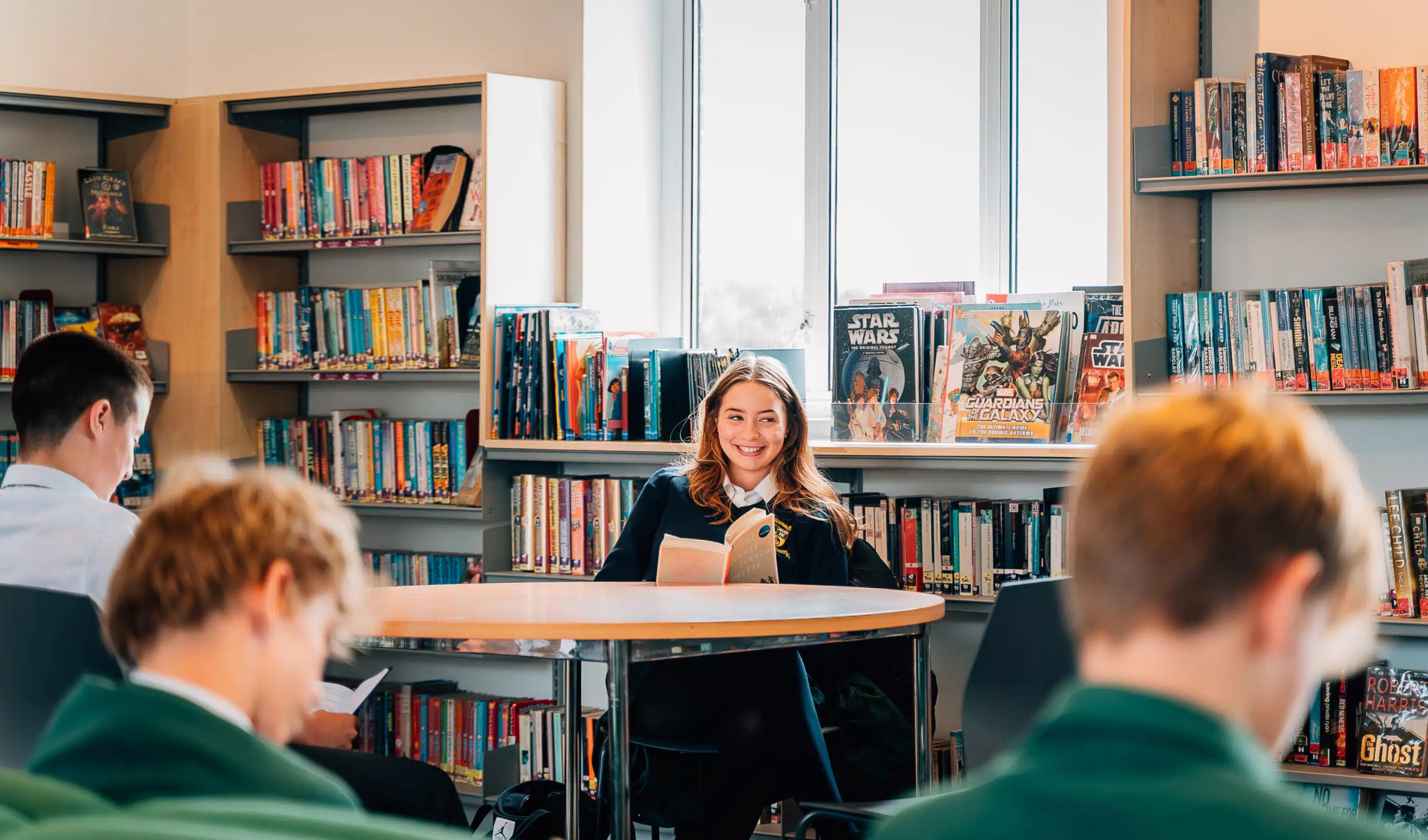
How Sibford School Cut Water Costs by 35% with Wodr

Managing a school’s utilities can be complex, especially for a campus like Sibford School, an independent boarding school set on 55 acres in North Oxfordshire near Banbury. With 22 buildings—mostly classrooms and school facilities—the school’s water usage is significant, and keeping costs under control is a constant challenge.
Holly, the school’s Estate Manager, oversees all facilities management, health and safety, and the operation of the buildings. She explains that before working with Wodr, one of the biggest issues was simply getting in touch with their water supplier.
“It was very difficult to get hold of anybody when we had a query or issue”
On top of that, the school wasn’t fully confident that they were on the most cost-effective tariff, and there were some concerns around potential water leakages.
Why Did Sibford School Switch to a New Supplier?
The decision to explore a new water supplier came after the school’s experience with a previous utility broker left them feeling that the level of support and service was lacking. What stood out with Wodr was clear communication, responsiveness, and a genuine willingness to solve problems.
A Smooth Switching Process
Switching suppliers can be stressful, but for Sibford School, the process was remarkably smooth. Holly highlights that all pricing, contract details, and potential savings were communicated transparently, which took the guesswork out of the process.
Significant Cost Savings
Since switching, Sibford School has saved an estimated 35% on water costs. Billing has also improved: the Accounts Team now finds it much easier to query invoices and track usage. Better visibility has allowed the school to forecast water expenditure more accurately, helping with budget planning and day-to-day management.
Confidence in Compliance
While the school hasn’t used all the sustainability and monitoring services offered, Holly is finally confident that the water supply and billing are fully compliant with regulations—a key concern for any educational institution.
What Was The Impact Of Working With Wodr?
For day-to-day operations, the biggest benefit has been peace of mind. Holly shares that she would highly recommend Wodr to other businesses:
“You feel you are in safe hands, and they work to find the best deal for you and your business”.
Wodr takes away the stress of navigating your way through the complex world of utilities. So if you are in need of a new water strategy, get in touch with our experts today for free, no-obligation advice.

Unlocking Water Efficiency in Schools
Unlocking Water Efficiency in Private Schools: How Small Changes Can Make a Big Impact
Did you know that a typical primary school in the UK uses around 3.5 cubic metres of water per pupil per year? That’s roughly 3,500 litres per student! For schools, inefficient water practices can lead to unexpectedly high costs – and greater environmental impact than we might imagine. Yet, by making simple changes, schools can save money and play a pivotal role in promoting sustainability.
Why Water Efficiency Matters in Schools
When we think about school budgets, water may not be the first thing that comes to mind. However, water bills are one of the costs that can quickly add up without close monitoring. Leaks, outdated fixtures, and even small inefficiencies can lead to substantial costs. Beyond saving money, improving water efficiency offers schools the chance to lead by example, teaching students the value of conserving resources and protecting our environment.
For procurement and facilities managers, these improvements present a unique opportunity: to make a difference in the school’s financial health and inspire the next generation of eco-conscious citizens.
Practical Steps for Improving Water Efficiency in Schools
A few targeted actions can help private schools reduce water consumption effectively:
- Promptly Fix Leaks: One leaking tap can waste up to 5,500 litres of water per year. Regular checks can prevent this unnecessary expense.
- Upgrade to Water-Saving Fixtures: Small investments in fixtures like dual-flush toilets, low-flow taps, and water-efficient showerheads yield big returns by reducing water use across the board.
- Use Smart Meters for Tracking: Installing smart water meters provides real-time data, allowing facilities managers to identify areas where water use is higher than necessary and take corrective action.
The Role of a School Water Audit: A Smart Solution
A water audit is a comprehensive review of your school’s water usage. Tailored for educational institutions, it examines current consumption patterns, identifies areas of waste, and offers practical recommendations for improvement. Not only does a water audit pinpoint hidden issues – like undetected leaks or inefficient systems but it also outlines a clear path toward reduced water usage, cost savings, and an improved environmental footprint.
Why Invest in Water Efficiency? The Benefits Beyond Cost Savings
- Financial Savings: Reducing water waste translates directly into lower bills, freeing up resources for other important school initiatives.
- Educational Value: Schools committed to sustainability serve as role models for students, imparting lessons on responsibility and conservation.
- Long-Term Facility Health: Efficient water systems experience less strain, meaning fewer repairs and a longer lifespan for essential infrastructure.
Make Your School a Leader in Sustainability
Looking to make a lasting impact? A commitment to water efficiency empowers schools to manage resources responsibly, benefiting both the environment and the school’s bottom line. Our water audit service for private schools in the UK provides actionable insights to help you achieve these goals – while contributing to a more sustainable future.
Take the First Step Today
Water efficiency is more than a cost-saving measure; it’s a commitment to sustainability, a powerful teaching tool, and an investment in the future. With each step toward responsible water use, your school can set an example for students, showing them the importance of conserving our planet’s resources. Every drop saved contributes to a larger movement towards sustainability, making your school a leader in positive environmental impact.
Ready to take action? Contact us to schedule a school water audit and let’s work together to create a more sustainable, resource-conscious future for your school – and for the generations it will serve.
