

Why Water Management Is Essential For Legionella Prevention In Hospitality

Water management plays a vital role in every hospitality business. Hotels, restaurants, spas, leisure centres and resorts all rely on safe, clean water every day. However, poor water management can create the perfect conditions for Legionella bacteria to grow.
A proactive approach protects your guests, your staff and your reputation. It also helps you meet your legal responsibilities and avoid costly disruption.
What Is Legionella?
Legionella is a type of bacteria that naturally exists in freshwater. Problems arise when it enters man-made water systems and begins to multiply.
People can become ill by inhaling tiny water droplets that contain the bacteria. These droplets can come from showers, taps, spa pools, cooling systems and decorative fountains.
Hospitality businesses often have large and complex water systems. This makes effective water management even more important.
What’s The Risk For Hospitality Businesses?
Hotels and other hospitality venues have many features that increase the risk of Legionella.
These include:
- Large hot and cold water systems.
- Guest bedrooms with ensuite bathrooms.
- Spa pools and leisure facilities.
- Low-use or vacant rooms.
- Seasonal fluctuations in occupancy.
- Water storage tanks and long pipework.
When water remains stagnant or reaches the wrong temperature, Legionella can multiply. Without regular monitoring, these risks can go unnoticed.
How Good Water Management Prevents Legionella
Good water management reduces the conditions that allow Legionella to grow.
An effective water management programme should include:
- Regular temperature monitoring.
- Flushing little-used outlets.
- Inspecting water storage tanks.
- Cleaning and disinfecting water systems.
- Removing dead legs where possible.
- Keeping accurate maintenance records.
- Reviewing risk assessments regularly.
These measures help keep water systems safe throughout the year.
Build a Proactive Water Management Strategy
The best hospitality businesses don’t wait for problems to arise. They build a water management strategy that reduces risk before it becomes an issue.
A proactive approach supports Legionella compliance while improving the performance of your water systems. Regular monitoring, planned maintenance and accurate records help demonstrate that risks are under control. They also provide valuable evidence during inspections or audits.
However, effective water management goes beyond compliance. It helps hospitality businesses:
- Protect guests and employees.
- Reduce the risk of Legionnaires’ disease.
- Cut unnecessary water waste.
- Improve operational efficiency.
- Extend the lifespan of water assets.
- Avoid unexpected maintenance costs.
- Protect their reputation.
Make Legionella Part of Your Water Management Strategy
Legionella prevention should never become an afterthought. It should form part of a wider water management strategy that supports safety, efficiency and sustainability.
Regular monitoring, planned maintenance and accurate water data all contribute to healthier water systems. Together, they help hospitality businesses reduce risk while improving day-to-day operations.
At Wodr, we help hospitality businesses take control of their water management. From understanding water usage to identifying opportunities for greater efficiency, our expertise helps businesses manage water more effectively while supporting safer, more resilient operations.


UK Water Utilities Glossary: A Complete Guide to Water Industry Terms & Acronyms

Welcome to our UK Water Utilities Glossary, a comprehensive A–Z guide to the terminology, acronyms, and technical language used across the water industry. Whether you’re a utility professional, consultant, regulator, developer, or simply looking to better understand the sector, this glossary provides clear and concise definitions of common water utility terms. From AMP, Ofwat, and WRMP to leakage, abstraction, wastewater treatment, and smart metering technologies such as AMR and AMI, you’ll find straightforward explanations to help you navigate the complex world of UK water and wastewater services.
A
Abstraction
The removal of water from rivers, reservoirs, lakes, or groundwater sources for public supply, industry, or agriculture.
Abstraction Incentive Mechanism (AIM)
An Ofwat incentive that encourages water companies to reduce abstraction from environmentally sensitive water sources.
Abstraction Licence
Permission granted by the Environment Agency allowing a company to take water from a natural source.
Active Leakage Control (ALC)
The process of proactively finding and repairing leaks in the water network.
ADD (Average Daily Demand)
The average volume of water supplied or consumed per day over a year. ADD is calculated by dividing total annual demand by the number of days in the year and is commonly used for long-term planning and forecasting.
ADPW (Average Day Peak Week Demand)
The average daily demand during the highest demand week of the year. ADPW is a key metric in water resource planning as it reflects sustained periods of elevated demand, typically occurring during warm, dry weather.
AMI (Advanced Metering Infrastructure)
A more advanced form of smart metering that allows two-way communication between water meters and utility systems. AMI supports near real-time consumption data, leak alerts, remote diagnostics, and customer usage insights.
AMP (Asset Management Period)
The five-year regulatory planning and investment cycle for UK water companies.
AMR (Automatic Meter Reading)
A technology that enables water meter readings to be collected remotely without requiring a meter reader to visit the property. AMR systems typically transmit consumption data via radio signals to utility systems, improving billing accuracy and operational efficiency.
Aquifer
An underground layer of rock or gravel that stores groundwater.
Aquifer Storage Recovery (ASR)
A process of storing water underground for future use.
Asset Health
A measure of the condition and reliability of infrastructure assets.
Asset Inventory (AI)
A record of utility assets, including condition, size, age, and replacement value.
Available Headroom (AH)
The difference between available water supply and forecast demand.
B
Baseline Demand Forecast
A forecast of future water demand based on current policies and trends.
Baseline Supply Forecast
The forecast of future water availability using existing infrastructure and licences.
Best Value Planning
A planning approach balancing cost, resilience, customer value, and environmental outcomes.
Biodiversity Net Gain (BNG)
An environmental requirement ensuring developments improve biodiversity overall.
Biosolids
Treated sewage sludge suitable for recycling, often used in agriculture.
Borehole
A deep shaft drilled into the ground to extract groundwater.
C
CAMS (Catchment Abstraction Management Strategy)
Environment Agency plans that manage water resources within a catchment.
CAPEX (Capital Expenditure)
Money spent on new infrastructure, assets, and major improvements.
Catchment
An area of land where rainfall drains into a common river, reservoir, or groundwater system.
Catchment Management
Activities undertaken to improve water quality and environmental performance at source.
CBA (Cost Benefit Analysis)
A method for comparing the costs and benefits of different investment options.
CCW (Consumer Council for Water)
The independent body representing water customers in England and Wales.
CHP (Combined Heat and Power)
Technology that produces electricity and heat simultaneously.
Climate Change Adaptation
Actions taken to prepare for future climate impacts.
Climate Change Mitigation
Actions taken to reduce greenhouse gas emissions.
Combined Sewer Overflow (CSO)
A structure allowing excess sewage and rainwater to discharge during heavy rainfall to prevent flooding.
Communication Pipe
The pipe connecting a water main to a property’s boundary.
Conjunctive Use
The coordinated use of surface water and groundwater resources.
Consumption
The volume of water used by customers.
Customer Side Leakage
Leaks occurring on private pipework after the utility’s responsibility ends.
D
Defra
Department for Environment, Food and Rural Affairs.
Deployable Output (DO)
The reliable amount of water available from a source or treatment works.
DG2
A performance measure relating to customers at risk of low water pressure.
DI (Distribution Input)
The amount of treated water entering the distribution network.
Distribution Main
A pipe that transports water to customers.
Distribution Losses (DL)
Water lost through leakage from mains, reservoirs, and associated infrastructure.
DMA (District Metered Area)
A defined network area where water flows are monitored to identify leakage.
D-MeX (Developer Services Measure of Experience)
An Ofwat metric measuring developer satisfaction.
DMUU (Decision Making Under Uncertainty)
A planning method used to assess future water resource risks.
DO (Deployable Output)
The reliable quantity of water that can be supplied under specified conditions.
DPC (Direct Procurement for Customers)
A process allowing third parties to deliver large infrastructure projects.
Drought Order
Government authorisation for exceptional drought measures.
Drought Permit
Environment Agency permission allowing temporary drought-related abstraction changes.
DWI (Drinking Water Inspectorate)
The regulator responsible for drinking water quality.
DWQ (Drinking Water Quality)
The safety and quality of public drinking water supplies.
DWF (Dry Weather Flow)
Wastewater flow measured during dry conditions.
DY (Dry Year)
A year where water resources are under significant pressure.
DYAA (Dry Year Annual Average Demand)
The average daily water demand expected during a dry year. This measure is used in Water Resources Management Plans (WRMPs) to assess the balance between water supply and demand under drought conditions.
DYCP (Dry Year Critical Period Demand)
The highest demand expected during the most critical period of a dry year, usually during prolonged hot and dry weather. DYCP is a key planning metric used to test the resilience of water supply systems under stress conditions.
E
EA (Environment Agency)
The environmental regulator for England.
EBSD (Economics of Balancing Supply and Demand)
An approach used to compare supply and demand-side solutions.
Economic Level of Leakage (ELL)
The point where the cost of reducing leakage exceeds the value of water saved.
Effluent
Treated wastewater discharged back to the environment (read more here).
Environmental Flow Indicator (EFI)
A flow threshold used to assess environmental impacts of abstraction.
Environmental Performance Assessment (EPA)
The Environment Agency’s performance ranking system for water companies.
ERI (Environmental Risk Index)
A measure of risk from drinking water quality failures.
F
Final Effluent
Fully treated wastewater discharged from a treatment works.
Flood and Coastal Risk Management (FCRM)
Management of flooding and coastal erosion risks.
G
Groundwater
Water stored beneath the Earth’s surface in aquifers.
Guaranteed Standards Scheme (GSS)
Standards requiring compensation when service levels are not met.
H
Hands Off Flow (HOF)
A minimum river flow below which abstraction must stop.
Habitats Regulations Assessment (HRA)
Assessment of impacts on protected habitats and species.
I
I&I (Infiltration and Inflow)
Groundwater or rainwater entering wastewater networks.
INNS (Invasive Non-Native Species)
Species that may damage ecosystems or infrastructure.
Integrated Water Resources Management (IWRM)
A holistic approach to managing water resources.
Interruption to Supply
A temporary loss of water service.
L
Leakage
Water lost from the distribution network before reaching customers.
LPD (Litres Per Person Per Day)
The average amount of water used by an individual each day. LPD is widely used to measure household water consumption and assess the effectiveness of water efficiency programmes.
M
MDD (Maximum Daily Demand)
The highest volume of water demanded in a single day during a defined period, usually a year. MDD is used by water companies to assess network capacity, treatment works performance, and infrastructure resilience during peak demand events.
Managed Aquifer Recharge (MAR)
The deliberate recharge of groundwater supplies.
MCA (Multi-Criteria Analysis)
A method for comparing options against multiple objectives.
Megalitre (Ml)
One million litres of water.
Meter Optant
A customer who chooses to have a water meter installed.
Minimum Residual Flow (MRF)
The minimum flow required in a river after abstraction.
MOEO-RDM (Multi-Objective Robust Decision Making)
An advanced planning approach used in regional water resource planning.
MOSL (Market Operator Services Limited)
Operator of England’s non-household retail water market.
N
Natural Capital
Environmental resources that provide benefits to society.
Natural Capital Assessment (NCA)
Assessment of environmental assets and ecosystem services.
Net Zero
Achieving a balance between greenhouse gas emissions and removals (read more here).
Non-Revenue Water (NRW)
Water supplied but not billed because of leaks, theft, or metering errors.
Nitrate Vulnerable Zone (NVZ)
An area designated as being at risk from nitrate pollution.
O
ODI (Outcome Delivery Incentive)
Financial rewards or penalties linked to company performance.
Ofwat
The economic regulator of the water sector in England and Wales.
Operational Expenditure (OPEX)
Day-to-day operating costs.
P
PCC (Per Capita Consumption)
The average volume of water consumed per person per day, typically expressed in litres. PCC is one of the most important performance indicators used by UK water companies to monitor customer demand and support demand reduction strategies.
PDD (Peak Daily Demand)
The highest short-term daily demand observed or forecast within a specific period. PDD is often used interchangeably with MDD, although some organisations use it to describe exceptional peak demand events.
Performance Commitment (PC)
A target agreed between Ofwat and a water company.
Potable Water
Water that is safe to drink.
Pressure Reducing Valve (PRV)
A valve used to manage network pressure.
PR19 / PR24
Ofwat price reviews setting performance and investment requirements.
R
Raw Water
Untreated water from natural sources.
Reservoir
A storage facility for water.
Resilience
The ability to withstand and recover from disruptions.
Rising Main
A pressurised wastewater pipeline.
S
SCADA (Supervisory Control and Data Acquisition)
Systems used to remotely monitor and control assets.
SEA (Strategic Environmental Assessment)
An assessment of environmental impacts of plans and programmes.
Service Reservoir
A treated water storage facility.
Sewer Flooding
Escape of wastewater from the sewer system.
SPS (Sewage Pumping Station)
A facility used to pump wastewater.
Storm Overflow
A permitted discharge point operating during heavy rainfall.
T
TOTEX (Total Expenditure)
Combined capital and operational expenditure.
Treatment Works (TW)
A site where water or wastewater is treated.
Turbidity
A measure of water cloudiness.
U
Unaccounted-for Water
Water losses not reflected in customer billing.
Unplanned Outage
Treatment capacity unavailable because of equipment failure.
W
Water Framework Directive (WFD)
Legislation protecting and improving water environments.
Water Recycling Centre (WRC)
Modern term for a wastewater treatment works.
Water Resource Zone (WRZ)
An area where water resources and demand are managed together.
Water Resources Management Plan (WRMP)
A long-term plan showing how a company will balance supply and demand.
Water Stress
A situation where water demand exceeds available resources.
Water Treatment Works (WTW)
A facility treating raw water to drinking water standards.
Wastewater
Used water from homes, businesses, and industry.
Wastewater Treatment Works (WwTW)
A site treating sewage before discharge.
WINEP (Water Industry National Environment Programme)
Environmental improvement obligations placed on water companies.
Z
Zone Metering
The measurement of flows within defined sections of the water network to monitor performance and identify leakage.
Still Not Following Our Water Utilities Glossary?
If reading through this Water Utilities Glossary is giving you a headache, you’re not alone. From AMP and TOTEX to WRMPs, leakage targets, and regulatory frameworks, the industry is packed with terminology that can quickly become overwhelming. That’s exactly why we’re here.
We’ve created this Water Utilities Glossary to help demystify the language of the water industry, but understanding the terminology is only the beginning. Our job is to cut through the complexity, translate technical concepts into clear actions, and help organisations navigate an ever-changing regulatory and operational landscape.
So while we’ve documented the jargon here, you don’t need to become an expert in it. Leave that to us. We’ll handle the acronyms, regulations, and technical detail—so you can focus on the decisions that matter.
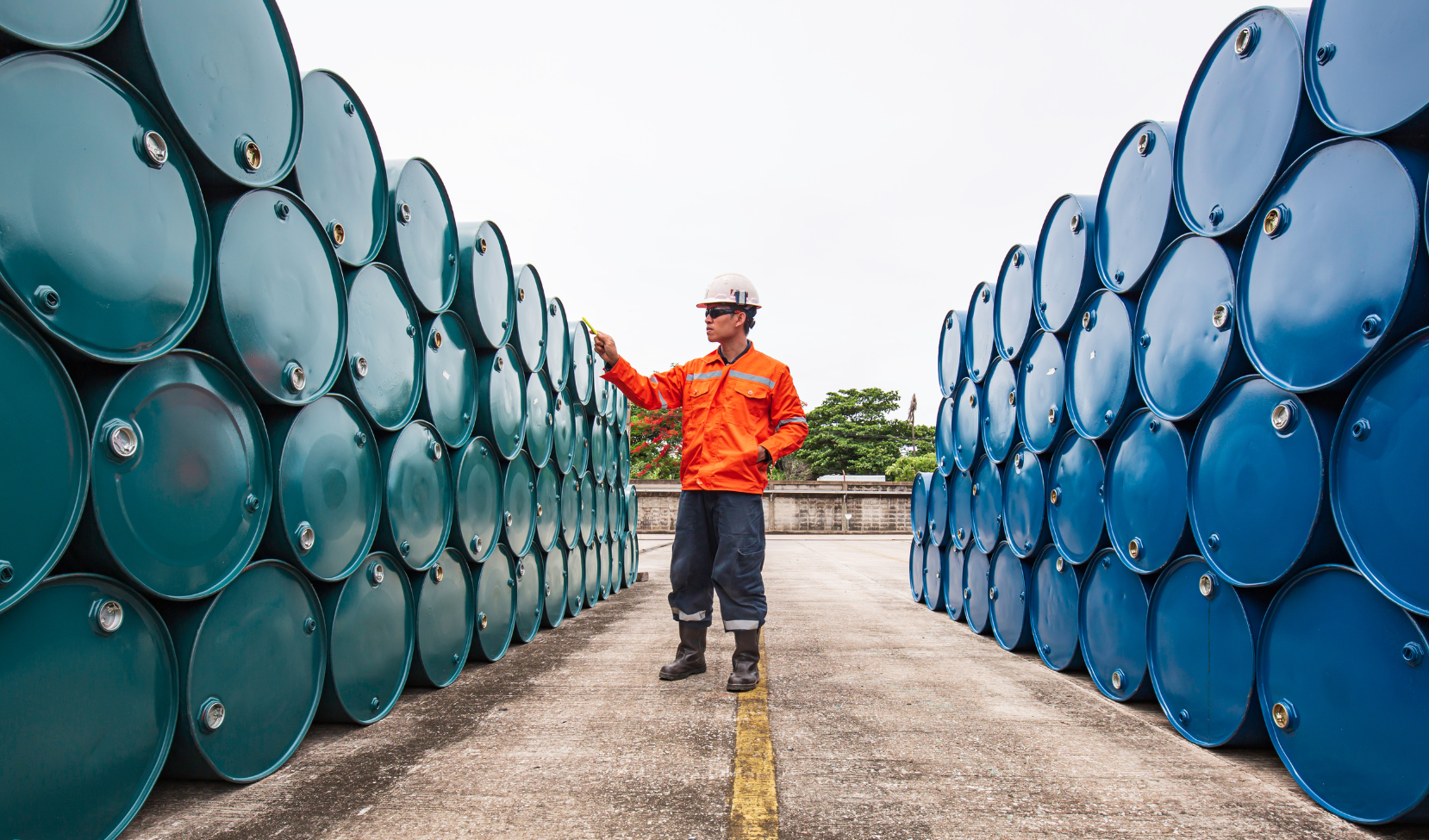
Chemical Manufacturing Compliance: Navigating Water Regulations with Confidence
In today’s operating environment, chemical manufacturing compliance is no longer a narrow regulatory obligation—it is a strategic priority tied directly to risk, cost, and long-term viability. Water use and wastewater discharge sit at the centre of this challenge, as regulators, investors, and communities demand higher standards of environmental performance.
Chemical manufacturers are increasingly asking not just whether they comply today, but whether their chemical manufacturing compliance strategies are resilient enough for what is coming next.
Meeting Today’s Compliance Standards
At its core, chemical manufacturing compliance requires adherence to current water-use and discharge regulations. This includes permits, contaminant limits, and reporting obligations that often differ by region and facility.
The complexity is easy to underestimate. Multi-site operations must navigate varying regulatory frameworks, and even small inconsistencies in monitoring or reporting can create compliance gaps. Without standardised processes, maintaining reliable chemical manufacturing compliance becomes increasingly difficult.
To address this, leading companies are investing in continuous monitoring, structured audits, and clear accountability at site level—turning compliance into an embedded operational practice rather than a periodic exercise.
Water Treatment and Use in Chemical Manufacturing
Water is a central element in any chemical manufacturing process. It is used across multiple stages—from raw material dissolution and reaction media to equipment cleaning, cooling systems, and steam generation. It also plays a critical role in infrastructure, particularly in heat exchangers and closed-loop cooling circuits.
From a chemical manufacturing compliance perspective, this creates a dual responsibility: managing water quality entering the process (upstream) and treating effluent before discharge (downstream).
Upstream, untreated or poorly conditioned water can introduce contaminants that affect product quality, cause scaling or corrosion in equipment, and reduce process efficiency. Downstream, wastewater often contains complex mixtures of organic compounds, heavy metals, suspended solids, and residual chemicals that must be treated to meet discharge standards.
Technologies such as membrane filtration, reverse osmosis, biological treatment, and advanced oxidation processes are increasingly deployed to ensure that water leaving the site meets stringent environmental regulations. Effective integration of these systems is essential to maintaining consistent chemical manufacturing compliance.
Preparing for Change
Regulation is evolving quickly, and chemical manufacturing compliance must keep pace. Emerging contaminants, tighter discharge thresholds, and expanded transparency requirements are already reshaping expectations.
For manufacturers, this raises important questions about cost and operational impact. Will new standards require upgraded treatment systems? Will production processes need to adapt? How will these changes affect margins?
Organisations that anticipate regulatory shifts—rather than react to them—are better positioned to manage costs and avoid disruption. In this context, chemical manufacturing compliance becomes a forward-looking capability that supports long-term planning.
Managing and Recovering Waste in Chemical Manufacturing
Waste management is a critical part of chemical manufacturing compliance. The sector produces large volumes of waste, including hazardous materials like solvents, oils, acids, and process residues. These substances pose serious risks to human health and the environment if mishandled. Strict regulations govern their storage, transport, treatment, and disposal, requiring strong tracking and documentation systems. However, waste is not only a liability—it can also be an opportunity. Many manufacturers are adopting recovery and reuse strategies, such as solvent recycling, energy recovery, and extracting valuable by-products. By integrating waste recovery into operations, companies can cut disposal costs, reduce environmental impact, and strengthen overall compliance.
Risk Exposure in Chemical Manufacturing
Falling short on compliance carries consequences that extend well beyond fines. While financial penalties can be significant, the greater risks often involve operational shutdowns, delayed approvals, and increased regulatory scrutiny. Reputational impact is equally critical. Environmental performance is under closer examination than ever, and failures in chemical manufacturing compliance can quickly erode trust among customers, investors, and local communities.
As a result, companies are broadening their approach—evaluating not only current compliance status but also their exposure to system failures, process variability, and external disruptions.
Scaling Chemical Manufacturing Compliance Across Multiple Sites
Managing compliance at a single facility is challenging; doing so across multiple locations introduces a new level of complexity. Each site may operate under different regulatory conditions, making consistency difficult to achieve.
Traditional tools like spreadsheets and manual reporting processes often fall short in this environment. Increasingly, companies are adopting centralised digital systems that provide real-time visibility into water usage, discharge quality, and compliance status across all sites.
Standardising metrics and reporting frameworks allows organisations to compare performance, identify risks early, and ensure that chemical manufacturing compliance is maintained consistently across the enterprise.
Turning Chemical Manufacturing Compliance Into a Strategic Advantage
Although regulatory pressure is intensifying, it also creates an opportunity. Companies that take a proactive approach to chemical manufacturing compliance often uncover efficiencies, reduce waste, and improve operational performance.
More importantly, strong compliance practices enhance transparency and build trust with stakeholders. In a landscape where water is both a constrained resource and a regulatory focus, this can become a meaningful competitive differentiator.
Chemical manufacturing compliance is no longer just about keeping up with regulations—it is about staying ahead of them. Companies that integrate compliance into their broader strategy will be better equipped to manage risk, control costs, and succeed in an increasingly complex regulatory environment.
Wodr are an independent, specialist water broker supporting chemical manufacturers with a more streamlined approach to water management.
From optimising procurement and negotiating with retailers on your behalf, to identifying leaks and inaccuracies in your usage data, Wodr helps reduce cost and complexity. Through a robust data management system, they provide the visibility and control needed to simplify operations and support your wider chemical manufacturing compliance strategy.

Trade Effluent Management for Food and Beverage Manufacturers: A Hidden Risk and Opportunity

Water is at the heart of every food and beverage operation—but what happens after it’s used is often overlooked. Across the UK, many manufacturers are unknowingly exposing themselves to unnecessary costs, compliance risks, and operational inefficiencies due to lack of visibility or support of their wastewater. That’s where trade effluent management for food and beverage manufacturers becomes critical. Done properly, it’s not just about meeting regulations—it’s about gaining control over your processes, costs, and environmental impact.
What Trade Effluent Management for Food and Beverage Manufacturers Really Means
In a manufacturing environment, wastewater is rarely “just water.” Once it has been used in production, cleaning, or cooling, it typically carries residues such as organic matter, oils, chemicals, and fine solids. Any wastewater produced as part of your business activities—outside of standard domestic use or clean rainwater—falls into the category of trade effluent.
For food and beverage manufacturers, this commonly comes from:
- Production lines and processing equipment.
- Cleaning and sanitation cycles.
- Heating and cooling systems.
- Raw material handling.
Effective trade effluent management for food and beverage manufacturers is about understanding this waste stream in detail—how much is produced, what it contains, and how it behaves over time.
Why Trade Effluent Management for Food and Beverage Manufacturers is Essential for Compliance
Regulation around wastewater discharge in the UK is strict—and for good reason. Public sewer systems and treatment facilities are not designed to handle uncontrolled industrial waste.
If your site sends anything other than domestic wastewater into the sewer network, you are required to have formal approval from your local water authority.
This approval dictates:
- The volume you’re allowed to discharge.
- The concentration of contaminants.
- How your discharge must be monitored.
Failing to comply—whether intentionally or not—can lead to enforcement action, financial penalties, and serious disruption to your operations.
That’s why robust trade effluent management for food and beverage manufacturers is not optional—it’s a legal necessity.
The Financial Impact of Trade Effluent Management for Food and Beverage Manufacturers
One of the biggest misconceptions is that wastewater costs are fixed. In reality, they are highly variable and directly influenced by your operations. Charges are typically linked to: how much wastewater you produce and how contaminated it is. Without accurate measurement and control, businesses often: pay more than they should, miss opportunities to reduce waste and risk additional charges for non-compliance.
In practice, even modest improvements in monitoring and process control can lead to significant savings over time. Strong trade effluent management for food and beverage manufacturers gives you the visibility needed to challenge costs and optimise performance.
How Trade Effluent Management Reveals Operational Inefficiencies
Wastewater provides valuable insight into how your site operates. However, many businesses fail to use this data effectively.
For instance, changes in effluent can highlight:
- Product loss during processing.
- Inefficient cleaning practices.
- Excessive water usage.
- Inconsistent chemical dosing.
Fluctuations often align with specific production activities. When you track these patterns, you can pinpoint exactly where inefficiencies occur. As a result, trade effluent management for food and beverage manufacturers becomes a powerful tool for improving operations—not just meeting compliance requirements.
Protecting Brand Value Through Trade Effluent Management for Food and Beverage Manufacturers
Today, customers and regulators expect strong environmental performance. Therefore, how you manage wastewater directly affects your reputation. If issues arise, they can lead to: regulatory investigations, negative publicity and loss of trust. However, businesses that take control of their wastewater demonstrate responsibility and professionalism. In turn, they strengthen relationships with stakeholders and improve their market position.
So, effective trade effluent management for food and beverage manufacturers helps protect and enhance your brand.
Practical Approaches to Trade Effluent Management for Food and Beverage Manufacturers
You can manage trade effluent in several ways. However, each option requires careful planning and compliance.
On-site Collection and Removal: You can store wastewater and arrange collection by licensed contractors. In this case, you must follow strict rules for storage, transport, and documentation.
Discharge to Sewer Networks: Most manufacturers choose this route. However, you must operate within agreed limits and maintain accurate monitoring at all times.
Direct Environmental Discharge: In some cases, you may discharge treated wastewater into the environment. However, this requires permits and tighter controls.
Therefore, every option reinforces the need for structured trade effluent management for food and beverage manufacturers.
Why Data is Central
You cannot control what you do not measure. Therefore, data sits at the core of effective wastewater management. Monitoring systems allow you to track: discharge volumes, pollutant levels and pH and temperature.
As a result, you can: maintain compliance with confidence, identify trends and issues quickly, reduce unnecessary costs and improve operational efficiency. Without this insight, businesses often react to problems rather than prevent them.
Final Thoughts on Trade Effluent Management for Food and Beverage Manufacturers
Wastewater should not remain an afterthought. Instead, it should act as a key operational indicator.
When you take a proactive approach to trade effluent management for food and beverage manufacturers, you gain:
- Better cost control.
- Stronger compliance.
- Improved efficiency.
- Reduced risk.
Ultimately, manufacturers that manage trade effluent effectively do more than meet regulations—they build more resilient, efficient, and competitive operations.
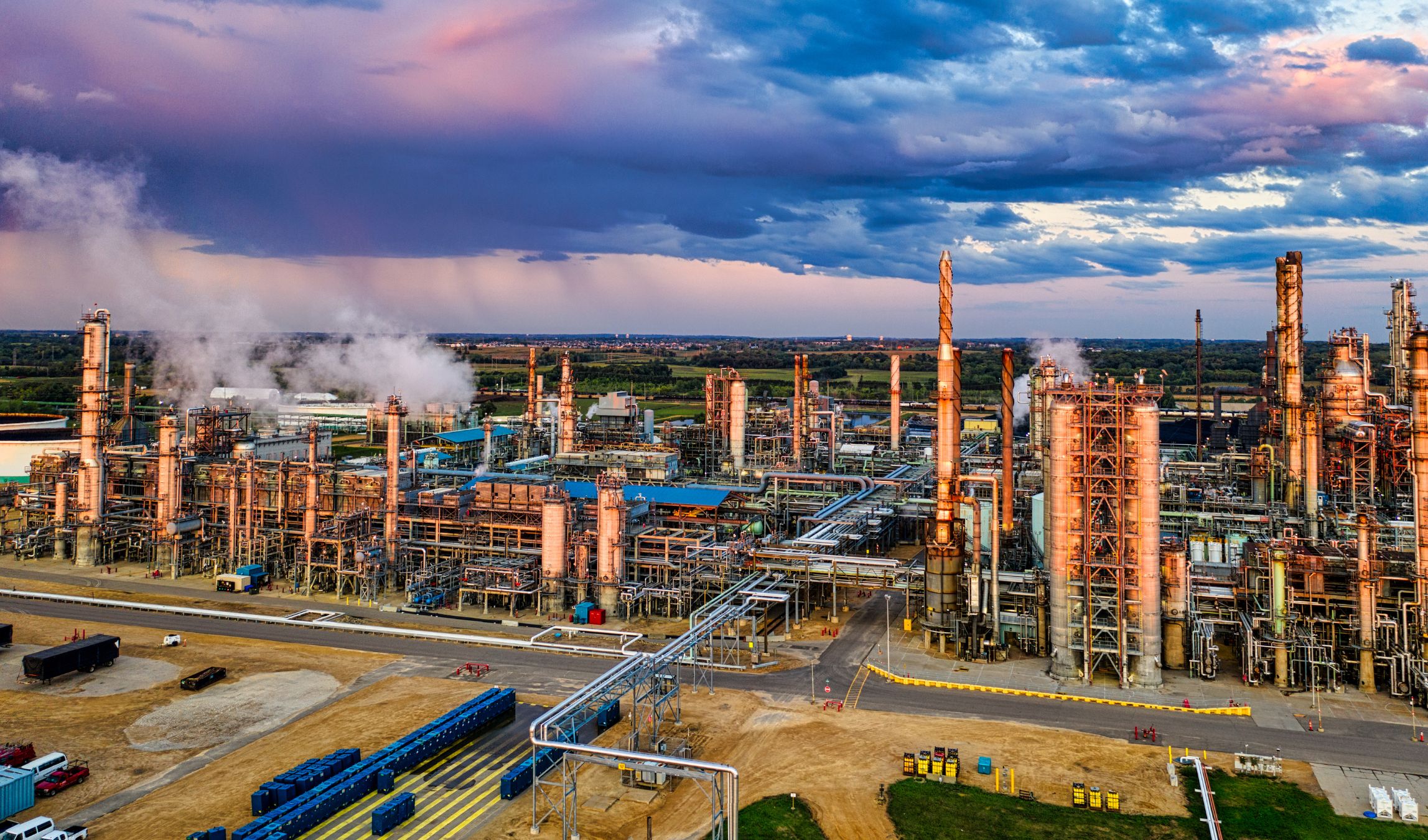
What Businesses Need to Know About Ofwat Regulation in 2026
For businesses in England, it’s important to understand how regulation affects your bills, your choice of supplier, and the protections available. In 2026, regulatory oversight from Ofwat continues to shape the market from price controls to efficiency incentives.
Here’s what you need to know:
1. Ofwat Sets the Rules for Charges and Competition.
Unlike a standard market where prices rise and fall purely on supply and demand, business water is influenced by regulatory rules. Wholesale charges (the cost water wholesalers charge retailers) are set under strict rules from Ofwat. They are then capped within multi‑year price control periods (currently running to March 2030).
This helps limit how much regional water companies can recover from customers through wholesale charges.
Retail competition means most businesses can choose their retail supplier, helping encourage better service and cost deals. Retailers buy wholesale services from the regional water company and then sell retail packages to business customers.
In effect, you pay the wholesale charge, plus, a retail margin and service fee set by your retailer.
2. Protections for Businesses That Don’t Switch.
Not all business customers actively engage in the market each year. Many remain on default or “deemed” tariffs.
To protect these customers:
The Retail Exit Code (REC) sets price and non‑price protections on default tariffs. This limits how expensive these default tariffs can be compared with the underlying wholesale cost and ensures fair terms.
Ofwat periodically reviews REC protections to make sure they remain appropriate and fair. Consultations on updates are now part of the regulatory cycle.
So, for business customers that want to avoid price increases linked to default tariffs, actively engaging in the market — either by switching supplier or renegotiating contract terms — can often deliver better outcomes.
3. Wholesale (Infrastructure) Charges Are Only Part of the Bill.
Wholesale charges make up a significant slice of your overall cost because they fund the water network — pipes, treatment works, sewer systems, and upgrades.
In early 2026, many regional wholesalers published higher wholesale charges for the 2026–27 charging year, reflecting the latest price control determinations. These increases will show up on business bills unless you have a fixed contract with a retailer.
Ofwat’s price controls are designed not only to keep charges fair but also to ensure infrastructure investment continues — especially in areas like leakage reduction, environmental compliance, and long‑term resilience.
4. Greater Customer Voice and Regulatory Oversight from 2026.
From 1 April 2026, water companies must embed stronger customer involvement in strategic decision-making, including how they set service and price outcomes that affect business customers. Under recent legislation, Ofwat gained new regulatory powers to strengthen customer feedback in company planning.
For business customers, this means:
Companies must actively demonstrate that they consider customer views when making decisions that affect bills and services. Customers will see clearer, more transparent explanations of how companies make decisions and how customer feedback shapes outcomes.
5. Data Access and Market Efficiency Reforms.
Ofwat is also consulting on centralised access to water consumption data for authorised third parties — a potential change that could benefit brokers, analytics firms, and businesses with sustainability or efficiency programmes. This would allow easier access to non‑household consumption data under a new governance framework, potentially helping organisations benchmark and optimise water usage.
6. Compliance and Enforcement Still Matter.
Ofwat doesn’t just set rules — it enforces them. For example, a business water retailer was recently required to refund customers after breaching price protections under regulatory codes. This shows that regulatory oversight is active and can deliver tangible financial benefits to customers when companies stray from compliance.
So, What Does This Mean for Your Business?
In practical terms, as a business customer in 2026 you should:
- Understand your current contract — know whether you’re on a default or negotiated tariff and what protections apply.
- Review options annually — switching retailers or renegotiating can help you avoid wholesale increases baked into default tariffs.
- Engage on efficiency — tracking and managing water consumption is becoming more strategic and potentially better supported through data platforms.
- Use the regulatory environment to your advantage — protections like the REC and Ofwat’s monitoring of competitive outcomes mean you have backstops if prices or service quality deteriorate.
Regulation in 2026 continues to balance fair pricing, competitive markets, and investment imperatives — with Ofwat at the centre of ensuring business customers get value and protection. Which means understanding how the rules work can help you make smarter decisions about your supplier, your contracts, and your water strategy for cost control and sustainability.
Want help analysing how these regulatory changes affect your specific water contract or bill projections?
Let us know — we can provide personalised insights to help you stay ahead in 2026.
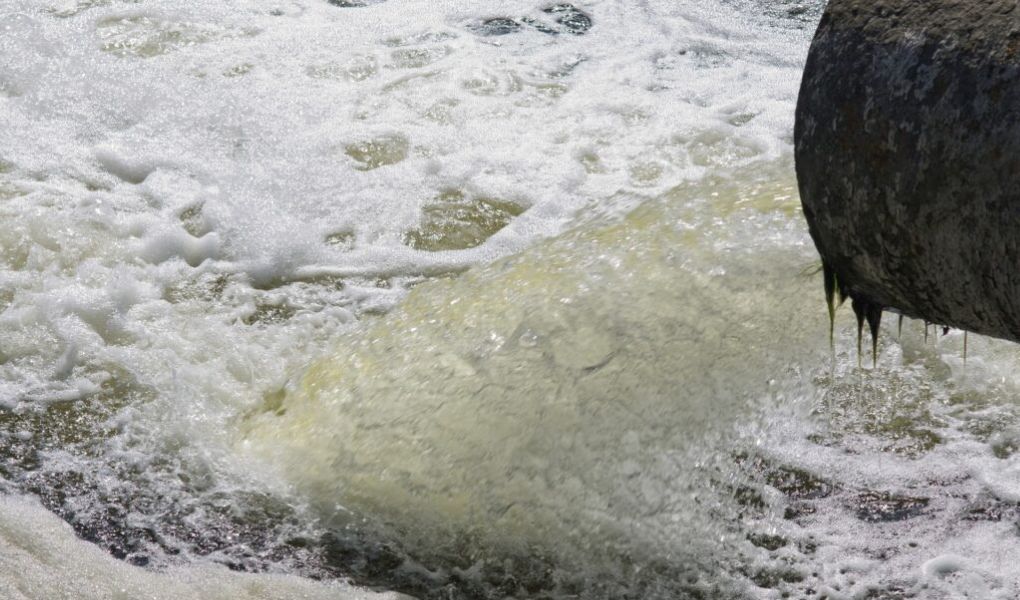
Trade Effluent Consents: What You Need to Know
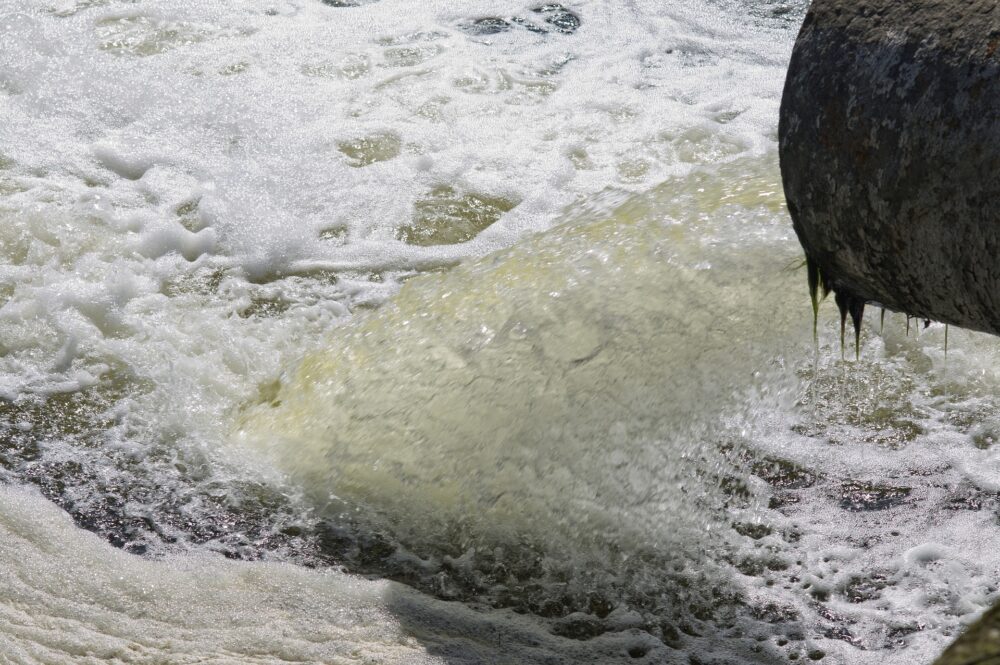
Trade Effluent Consents in the UK: What You Need to Know
For UK businesses that discharge wastewater, understanding and maintaining the correct trade effluent consent is crucial to avoid regulatory penalties and ensure compliance with environmental standards. Whether you’re in manufacturing, food processing, or any industry that produces trade effluent, this guide will walk you through the key aspects of managing your consent levels effectively.
What is Trade Effluent Consent?
Trade effluent consent is a legal requirement for businesses that discharge liquid waste into public sewers. Issued by your local water company, this consent details the types of effluent your business can release, the volume, and the acceptable levels of various pollutants. Non-compliance with consent conditions can lead to hefty fines, business disruptions, or even prosecution.
Am I on the Right Trade Effluent Consent Levels?
Many businesses ask, “Am I operating under the correct trade effluent consent levels?” To answer this, you need to regularly assess whether your business’s output matches what is allowed under your current consent agreement. Consider the following:
- Volume of Discharge: Ensure that the volume of wastewater your business discharges matches the limits specified in your consent. A sudden increase in production or a new process could affect your compliance.
- Composition of Effluent: Review the types of contaminants in your effluent. Consent levels often set limits on chemicals like oils, grease, heavy metals, and pH levels. Regular testing of your effluent is critical to ensuring these stay within the permissible range.
- Effluent Treatment: Are your existing treatment methods adequate? If you’ve made changes to your production process or materials, this may affect your effluent composition, requiring an update to your treatment setup or consent levels.
- Changing Regulations: The environmental landscape in the UK is constantly evolving, with stricter regulations and standards being introduced. Ensure that your consent levels are up-to-date with any new government or environmental agency guidelines.
If you’re uncertain about any of these aspects, it might be time to review your trade effluent consent.
How to Apply or Amend Trade Effluent Consent
Applying for or amending trade effluent consent is typically handled by your local water company. The process includes:
- Providing Detailed Information: You’ll need to submit data on the type of effluent produced, including the volume and concentration of pollutants.
- On-Site Assessment: Some water companies may send an inspector to assess your site’s discharge processes.
- Waiting for Approval: Consent applications can take several weeks or even months to process, so it’s crucial to plan ahead.
In many cases, businesses must pay a fee based on the volume and strength of the effluent produced. Your consent level might need regular updates as your operations evolve, particularly if you expand or introduce new products.
What Happens If I Exceed My Consent Limits?
Exceeding your trade effluent consent can have severe consequences:
- Penalties: Water companies impose fines if your effluent exceeds the consent limits, especially if it causes damage to the sewer system or negatively impacts wastewater treatment plants.
- Legal Action: In extreme cases, you could face prosecution under environmental protection laws.
- Increased Costs: Exceeding consent may lead to increased charges from your water provider, particularly if the effluent is more expensive to treat than initially agreed.
Monitoring and Managing
Effective management of trade effluent can help you avoid non-compliance and the associated costs. Here’s how:
- Install Monitoring Equipment: Many businesses benefit from installing automatic monitoring systems to track the volume and quality of their trade effluent.
- Regular Testing: Frequent testing of your effluent ensures that it stays within the legal parameters of your consent. You can perform in-house tests or hire a professional service to manage this for you.
- Update Consent Levels: If your business expands or changes its operations, it’s critical to update your trade effluent consent to reflect new discharge volumes and types.
Why is this Important for Environmental Compliance?
UK regulations are increasingly focused on sustainability, and trade effluent plays a major role in the environmental impact of industrial processes. Proper consent management ensures your business remains compliant with the Environmental Permitting Regulations (EPR) and the Water Industry Act. Failure to comply can not only lead to fines but also damage your company’s reputation, especially as customers increasingly value eco-friendly practices.
How Wodr Can Help
At Wodr, we specialise in helping businesses manage their trade effluent consents, ensuring compliance with environmental regulations while optimising processes to reduce costs. Our team can assist in:
- Consent Review: We’ll review your current trade effluent consent and assess whether adjustments are needed based on your business operations.
- Monitoring Solutions: We provide cutting-edge technology and services to help you monitor your effluent discharge in real time.
- Regulatory Compliance: Our consultants stay up-to-date with all the latest regulations and will ensure your business is fully compliant.
By partnering with us, you can ensure that your business not only meets regulatory requirements but also adopts efficient and cost-effective trade effluent management strategies.

Trade Effluent in the UK: What's next?
The Future of Trade Effluent Charges in the UK: A Detailed Outlook for the Next 3-5 Years
As the commercial landscape in the UK evolves, businesses need to stay ahead of regulatory and economic changes, particularly concerning trade effluent charges. Over the next three to five years, these charges are expected to see significant adjustments driven by several factors, including environmental regulations, infrastructure investments, and evolving business practices. Here’s a comprehensive look at what businesses can expect and how they can prepare.
Understanding Trade Effluent Charges
Trade effluent refers to any liquid waste discharged into the public sewer from a business or industrial process. This can include anything from contaminated water used in manufacturing to chemicals from cleaning processes. Since this waste can have a significant environmental impact, it is subject to strict regulations, and businesses must obtain consent to discharge trade effluent.
Charges for trade effluent are typically calculated based on the volume and strength of the effluent, along with the cost of treating it to make it safe for disposal. These charges are determined by water companies and vary depending on the region and the specific nature of the effluent.
Key Factors Driving Change
- Environmental Regulations: The UK government’s commitment to reducing carbon emissions and improving water quality is likely to drive stricter environmental regulations. These regulations will impose more rigorous standards for the treatment and disposal of trade effluent, potentially leading to higher charges. Businesses may need to invest in more advanced treatment technologies to meet these new standards, which could increase operational costs.
- Infrastructure Investments: Water companies across the UK are investing heavily in upgrading and expanding wastewater treatment facilities. For example, Southern Water has committed nearly £1 billion to water and wastewater infrastructure improvements since 2020. These investments are crucial for meeting future demand and environmental targets but are also likely to be passed on to businesses in the form of higher trade effluent charges.
- Economic Factors: The broader economic environment, including energy prices and inflation, will also influence trade effluent charges. Rising energy costs, in particular, can significantly impact the cost of treating trade effluent, as wastewater treatment is an energy-intensive process. Analysts predict that energy price caps may rise gradually over the coming years, which could further increase the cost of effluent treatment.
- Industry-Specific Trends: Certain industries, such as agriculture, food and drink manufacturing, and chemical production, are more heavily impacted by trade effluent regulations due to the nature of their waste. Businesses in these sectors should expect more stringent monitoring and potentially higher charges, particularly if they fail to adopt more sustainable practices.
Predicted Changes
While it’s challenging to predict exact figures due to the complexity of factors involved, industry experts anticipate that trade effluent charges could rise by 10-20% over the next three to five years. This increase will vary by region and industry, with businesses in more environmentally sensitive areas or those producing higher-risk effluent likely to see the most significant hikes.
Preparing for the Future
To mitigate the impact of rising trade effluent charges, businesses should consider the following strategies:
- Invest in Efficiency: Implementing more efficient processes and reducing the volume and strength of trade effluent can help businesses minimise charges. This might involve investing in new technologies or changing production methods.
- Explore Renewable Energy: Given the link between energy costs and effluent treatment charges, businesses can benefit from reducing their energy consumption or switching to renewable energy sources. This not only helps manage costs but also aligns with broader environmental goals.
- Stay Informed: Keeping up with regulatory changes and industry trends is crucial. Engaging with industry bodies, water companies, and environmental consultants can help businesses anticipate changes and adapt proactively.
- Consider Long-Term Contracts: In some cases, negotiating long-term contracts with water companies may provide more predictable pricing and protect against sudden increases in trade effluent charges.
Conclusion
The landscape for trade effluent charges in the UK is set to change significantly over the next few years. Businesses that proactively manage their effluent production, invest in sustainable practices, and stay informed about regulatory changes will be better positioned to navigate these challenges and minimise their costs.
By understanding the factors driving these changes and taking steps to mitigate their impact, businesses can ensure compliance while protecting their bottom line.