

Why Businesses Can't Afford to Put Water Decisions on Hold

Political uncertainty may be creating questions about the future of England’s water industry. But with regulatory pressure to improve water efficiency already growing, can businesses really afford to wait?
The Government’s plans for greater public control of England’s water industry have introduced another layer of uncertainty into an already evolving sector. For businesses considering water retailer switching, contract reviews or investment in water efficiency, this raises a natural question.
Should we make decisions now, or wait until the future of the industry becomes clearer?
On the surface, adopting a ‘wait and see’ approach may appear sensible. But while the industry debates its long-term ownership and regulatory structure, businesses continue to consume water, incur costs and face operational pressures every day. More importantly, the drive towards greater water efficiency is already underway, regardless of who ultimately owns the infrastructure.
Water Efficiency Isn’t Waiting for Political Reform
While the future ownership of England’s water industry remains uncertain, the regulatory direction on water efficiency is already clear. The Government has established an ambition to reduce non-household water demand by 9% by 2038, compared with 2019–20 levels.
Ofwat has also introduced performance commitments for water companies during the 2025–2030 regulatory period, placing greater emphasis on reducing business water consumption. Alongside this, significant investment in smart metering, water efficiency initiatives and potential changes to wholesale charging structures is increasing the focus on how businesses use water.
These requirements primarily apply to water companies rather than imposing individual reduction targets on every business. Nevertheless, the direction is important.
For larger industrial and commercial users in particular, water consumption is becoming an increasingly significant operational, environmental and commercial consideration.
While businesses debate whether to wait for political reform, the regulatory drive towards water efficiency is already underway.
The Hidden Cost of Doing Nothing
When businesses delay water management decisions, the potential consequences are not always immediately visible. A billing error may continue unresolved. An inefficient process may keep consuming more water than necessary. An undetected leak may increase costs month after month.
Equally, an organisation may continue with retail arrangements that no longer provide the most appropriate service or support. The competitive business water retail market remains operational, and eligible businesses can still review contracts, compare retailers and explore opportunities to improve service and manage costs.
Not every business will benefit financially from switching, and any decision should be supported by a proper commercial assessment. But delaying a review simply because the future ownership of the industry remains uncertain could mean missing opportunities available today.
Doing nothing is still a decision, and it can carry a cost.
Water Efficiency Is Bigger Than Politics
Perhaps the strongest argument against delaying action concerns water efficiency itself. Unlike questions about future ownership models, the benefits of reducing unnecessary water consumption are relatively straightforward. Effective water management can help businesses reduce costs, improve operational performance, support sustainability objectives and strengthen resilience.
For larger industrial and commercial users, water may be essential to manufacturing, food production, cleaning, cooling and other critical activities. Reducing waste and improving consumption visibility can therefore deliver benefits well beyond the water bill. Importantly, these benefits are not dependent on whether the underlying infrastructure is publicly or privately owned.
A business that identifies and repairs a significant leak benefits regardless of who owns the wholesale network.
The same applies to improved monitoring, better consumption data and more efficient processes. Water efficiency is not simply a response to today’s market. It is a long-term business discipline.
A More Sensible Response to Uncertainty
None of this suggests businesses should ignore the Government’s proposals. Regulatory reform can create genuine commercial risks, particularly for organisations making substantial long-term investments. Businesses should continue monitoring developments and consider how future changes could affect contracts, pricing and operational requirements.
However, the response should be proportionate.
Rather than putting decisions on hold indefinitely, organisations should focus on the evidence available today.
Are current water arrangements delivering appropriate value? Is consumption properly understood? Are there opportunities to reduce waste? Would alternative retail services improve the customer experience? These questions remain relevant regardless of the direction of political reform.
For larger investments, businesses can also build flexibility into their plans through scenario analysis, sensible payback assessments and appropriate contractual protections.
Looking Beyond the Headlines
England’s water industry may look very different in ten years. There could be greater public ownership, stronger regulatory oversight or new approaches to managing essential infrastructure.
The precise outcome remains uncertain. But one thing is already clear: reducing water demand is an established priority for both government and regulators.
Businesses cannot reasonably suspend every commercial decision while waiting for the political and regulatory landscape to settle. The priority should be to remain informed, evaluate risks and continue making decisions that deliver measurable benefits. The Government’s reforms deserve attention, and the business water market should engage constructively with the debate.
But uncertainty should encourage better decision-making, not prevent it.
The future ownership of England’s water infrastructure may be uncertain. The need to manage water more efficiently is not.

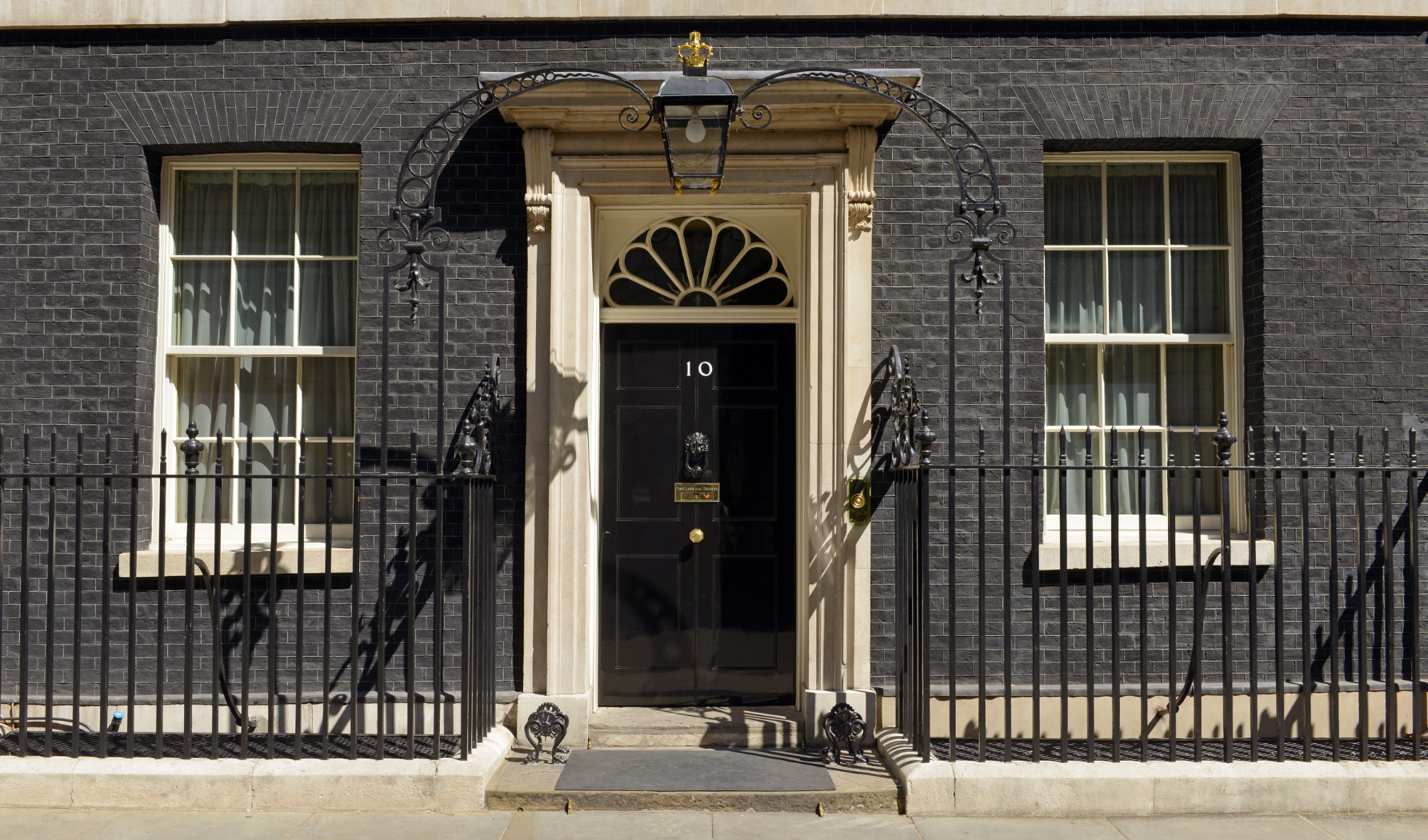
Is England's Water Industry Heading Back Towards Public Ownership?
The Government has opened the door to greater public control of England’s water industry. But does this signal the beginning of nationalisation, or something more nuanced?
England’s water industry could be entering one of its most significant periods of change since privatisation in 1989.
In September 2026, Prime Minister Andy Burnham announced plans to strengthen public control over the sector, including proposals to remove longstanding restrictions on government ownership of shares in major water companies.
The announcement follows years of growing criticism surrounding sewage pollution, infrastructure investment, financial instability and rising customer bills.
But while the political direction appears clear, the practical implications are less certain.
Are we witnessing the beginning of a return to public ownership, or the emergence of a different model for managing essential infrastructure?
What Has Actually Been Announced?
At the heart of the announcement is a proposal to remove restrictions introduced under the Water Act 1989, which currently limit government share ownership in major water and sewerage companies to less than 3%.
Removing these restrictions would give the Government greater flexibility to intervene in water companies, potentially including taking ownership stakes where necessary.
The Government has also signalled an intention to give local mayors and strategic authorities greater influence over water company priorities and accountability.
Importantly, however, this is not an announcement that all water companies will be nationalised. The Government has acknowledged that private investment will remain important to the industry’s future. The immediate proposal is therefore about creating options for greater public involvement, rather than committing to one ownership model.
Why Is Andy Burnham Pursuing This?
Burnham’s approach reflects a wider political ambition to bring essential services under stronger public control. Water is particularly significant because it is an essential service delivered through infrastructure that customers cannot simply choose to replace.
Unlike many other industries, regional water companies operate as natural monopolies, meaning regulation and accountability are fundamental to protecting customers.
The Government’s argument is that stronger public involvement could help improve environmental performance, investment decisions and accountability. Whether greater public control will deliver those improvements remains an important question. Ownership alone does not guarantee better services, lower bills or improved infrastructure. Any future model will still need sufficient investment, effective management and robust regulation.
What Could Happen Next?
Several outcomes remain possible.
England could retain predominantly private ownership while introducing stronger public oversight and intervention powers. Alternatively, public ownership could be considered selectively for companies facing significant financial or operational difficulties. Over a longer period, more fundamental changes to the structure and ownership of the industry could emerge.
The Government has indicated that further details will form part of its wider ten-year plan and strengthened Water Bill. Until those proposals are developed, it is important to distinguish political ambition from confirmed structural change.
Why Does This Matter to Businesses?
Although much of the public debate focuses on household bills and environmental performance, changes to the water industry could have wider commercial implications.
Businesses depend on reliable infrastructure, predictable costs and a regulatory environment that supports long-term planning. Changes to ownership, investment priorities and regulation could eventually influence all three.
For now, however, the key message is that stronger public control does not automatically mean the end of private involvement or competition within the industry. Understanding that distinction is essential before drawing conclusions about the future. The water industry may be approaching a turning point, but its eventual destination remains uncertain.
And for businesses, perhaps the more immediate question is not simply who owns the infrastructure, but what these reforms could mean for the competitive water retail market.