
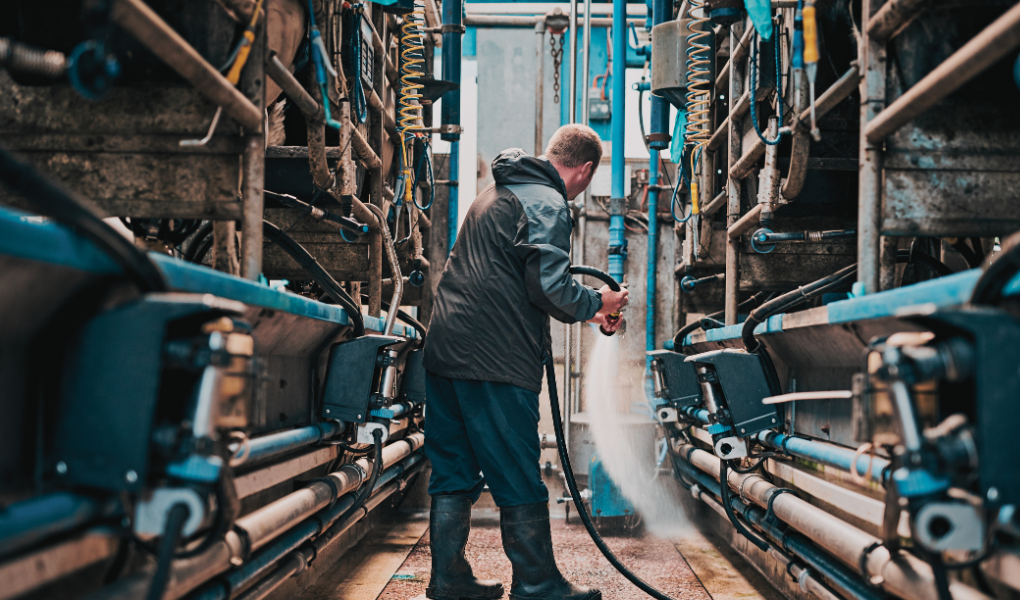
5 Ways UK Manufacturers Are Overpaying for Water
UK Manufacturers Water Costs Are Rising, Yet Many Factories Continue To Overpay. Why?
From automotive assembly to electronics fabrication and chemical production, factories rely on high volumes of water daily. Yet many manufacturers are overpaying due to inefficient billing, outdated infrastructure, and lack of strategic water management.
Here are 5 ways manufacturers overpay — with practical solutions and sector-specific examples to cut costs.
1. Not Leveraging the Competitive Business Water Market
Since April 2017, the UK business water market (England and Wales) allows manufacturers to choose their water retailer rather than being tied to the default supplier. Many companies, however, never shop around, ending up on costly tariffs.
How to reduce costs:
- Compare quotes from multiple water retailers.
- Switch to tariffs with lower rates.
- Renegotiate contracts every 12–24 months.
2. Overlooking Billing Errors
Billing mistakes are surprisingly common in business water accounts. The Consumer Council for Water reports that inaccurate meter readings or misapplied charges are frequent sources of dispute. Even small errors can cost thousands in larger industrial facilities.
How to reduce costs:
- Audit bills quarterly.
- Verify meter numbers, volumes, and charges.
- Request corrections and refunds promptly.
3. Paying Excessive Wastewater (Sewerage) Charges
Manufacturers pay not only for water supply but also for wastewater discharge. In many facilities, sewerage charges can match or exceed supply costs. Facilities with high-discharge processes — such as metal finishing, electronics cleaning, or chemical production — are particularly affected.
How to reduce costs:
- Install pre-treatment systems to lower discharge loads.
- Meter wastewater separately if possible.
- Implement recycling and reuse technologies.
4. Ignoring Meter Accuracy and Leaks
Old or poorly maintained water meters can lead to overestimated bills. Undetected leaks in cooling loops, rinse lines, or process circuits can waste thousands of litres annually.
How to reduce costs:
- Upgrade to smart water meters.
- Monitor daily consumption data.
- Conduct regular leak detection surveys.
5. Missing Operational Water Efficiency Opportunities
Many manufacturers fail to track water flows through production processes, leaving efficiency opportunities untapped. Optimising water use improves both costs and operational performance.
How to reduce costs:
- Map water usage across processes and equipment.
- Reuse water in cooling circuits or cleaning operations.
- Introduce flow controls and optimise rinse or wash cycles.
Water should be treated as a strategic utility cost, not a fixed expense.
Manufacturers that audit bills, leverage competitive tariffs, fix leaks, reduce wastewater, and optimise operational efficiency can significantly cut costs and enhance sustainability.
By integrating water efficiency into everyday operations, UK manufacturing can save money while boosting productivity and environmental performance.
If you want support to audit your business, install smart meters or to lower bills – get in touch with our team today for free, no obligation advice.

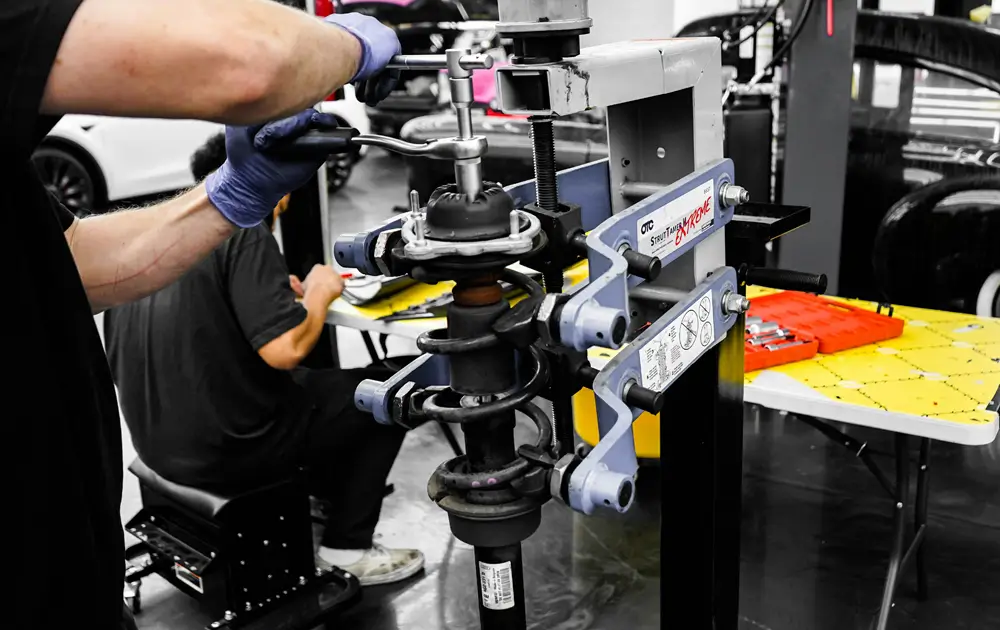
Wodr x Manufacturer in North-West England
Client Background
ABC Manufacturing is a manufacturer of automotive parts with facilities across the UK. Despite their success, they faced escalating operational costs, particularly in water usage.
Their outdated systems and lack of realtime monitoring led to inefficiencies and rising expenses, prompting them to seek innovative solutions to optimise water management.
Challenges
High Water Bills: Water bills had increased by 15% annually, primarily due to inefficient water use and undetected leaks.
Outdated Infrastructure: The facility’s water systems were outdated, leading to wastage and higher maintenance costs.
Sustainability Goals: The company aimed to improve its environmental footprint but lacked the expertise to implement effective water-saving measures.
Solutions Implemented
Water Audit: Our team conducted a thorough audit to identify inefficiencies, including outdated fixtures and undetected leaks.
Smart Metering: We installed smart water meters across the facility, providing real-time data on water usage. This enabled quick detection of irregularities and leaks.
Efficient Fixtures: The introduction of water-efficient fixtures and systems, such as low-flow toilets, all to significantly reduce water consumption.
Results
Reduced Water Usage: The facility achieved a 25% reduction in water usage, translating into substantial cost savings.
Annual Savings: By cutting down on waste and improving efficiency, ABC Manufacturing saved over £100,000 annually on water expenses.
Improved Sustainability: The company enhanced its sustainability credentials, aligning with environmental goals and attracting eco-conscious clients.
Operational Efficiency: The modernised systems reduced maintenance needs, lowering operational costs and improving overall efficiency.
