


Trade Effluent Management for Food and Beverage Manufacturers: A Hidden Risk and Opportunity

Water is at the heart of every food and beverage operation—but what happens after it’s used is often overlooked. Across the UK, many manufacturers are unknowingly exposing themselves to unnecessary costs, compliance risks, and operational inefficiencies due to lack of visibility or support of their wastewater. That’s where trade effluent management for food and beverage manufacturers becomes critical. Done properly, it’s not just about meeting regulations—it’s about gaining control over your processes, costs, and environmental impact.
What Trade Effluent Management for Food and Beverage Manufacturers Really Means
In a manufacturing environment, wastewater is rarely “just water.” Once it has been used in production, cleaning, or cooling, it typically carries residues such as organic matter, oils, chemicals, and fine solids. Any wastewater produced as part of your business activities—outside of standard domestic use or clean rainwater—falls into the category of trade effluent.
For food and beverage manufacturers, this commonly comes from:
- Production lines and processing equipment.
- Cleaning and sanitation cycles.
- Heating and cooling systems.
- Raw material handling.
Effective trade effluent management for food and beverage manufacturers is about understanding this waste stream in detail—how much is produced, what it contains, and how it behaves over time.
Why Trade Effluent Management for Food and Beverage Manufacturers is Essential for Compliance
Regulation around wastewater discharge in the UK is strict—and for good reason. Public sewer systems and treatment facilities are not designed to handle uncontrolled industrial waste.
If your site sends anything other than domestic wastewater into the sewer network, you are required to have formal approval from your local water authority.
This approval dictates:
- The volume you’re allowed to discharge.
- The concentration of contaminants.
- How your discharge must be monitored.
Failing to comply—whether intentionally or not—can lead to enforcement action, financial penalties, and serious disruption to your operations.
That’s why robust trade effluent management for food and beverage manufacturers is not optional—it’s a legal necessity.
The Financial Impact of Trade Effluent Management for Food and Beverage Manufacturers
One of the biggest misconceptions is that wastewater costs are fixed. In reality, they are highly variable and directly influenced by your operations. Charges are typically linked to: how much wastewater you produce and how contaminated it is. Without accurate measurement and control, businesses often: pay more than they should, miss opportunities to reduce waste and risk additional charges for non-compliance.
In practice, even modest improvements in monitoring and process control can lead to significant savings over time. Strong trade effluent management for food and beverage manufacturers gives you the visibility needed to challenge costs and optimise performance.
How Trade Effluent Management Reveals Operational Inefficiencies
Wastewater provides valuable insight into how your site operates. However, many businesses fail to use this data effectively.
For instance, changes in effluent can highlight:
- Product loss during processing.
- Inefficient cleaning practices.
- Excessive water usage.
- Inconsistent chemical dosing.
Fluctuations often align with specific production activities. When you track these patterns, you can pinpoint exactly where inefficiencies occur. As a result, trade effluent management for food and beverage manufacturers becomes a powerful tool for improving operations—not just meeting compliance requirements.
Protecting Brand Value Through Trade Effluent Management for Food and Beverage Manufacturers
Today, customers and regulators expect strong environmental performance. Therefore, how you manage wastewater directly affects your reputation. If issues arise, they can lead to: regulatory investigations, negative publicity and loss of trust. However, businesses that take control of their wastewater demonstrate responsibility and professionalism. In turn, they strengthen relationships with stakeholders and improve their market position.
So, effective trade effluent management for food and beverage manufacturers helps protect and enhance your brand.
Practical Approaches to Trade Effluent Management for Food and Beverage Manufacturers
You can manage trade effluent in several ways. However, each option requires careful planning and compliance.
On-site Collection and Removal: You can store wastewater and arrange collection by licensed contractors. In this case, you must follow strict rules for storage, transport, and documentation.
Discharge to Sewer Networks: Most manufacturers choose this route. However, you must operate within agreed limits and maintain accurate monitoring at all times.
Direct Environmental Discharge: In some cases, you may discharge treated wastewater into the environment. However, this requires permits and tighter controls.
Therefore, every option reinforces the need for structured trade effluent management for food and beverage manufacturers.
Why Data is Central
You cannot control what you do not measure. Therefore, data sits at the core of effective wastewater management. Monitoring systems allow you to track: discharge volumes, pollutant levels and pH and temperature.
As a result, you can: maintain compliance with confidence, identify trends and issues quickly, reduce unnecessary costs and improve operational efficiency. Without this insight, businesses often react to problems rather than prevent them.
Final Thoughts on Trade Effluent Management for Food and Beverage Manufacturers
Wastewater should not remain an afterthought. Instead, it should act as a key operational indicator.
When you take a proactive approach to trade effluent management for food and beverage manufacturers, you gain:
- Better cost control.
- Stronger compliance.
- Improved efficiency.
- Reduced risk.
Ultimately, manufacturers that manage trade effluent effectively do more than meet regulations—they build more resilient, efficient, and competitive operations.
The Hidden Costs of Water in Food Production
Water is one of the most essential ingredients in food and beverage manufacturing—but it’s also one of the most overlooked costs.
From washing raw ingredients to cooling machinery and maintaining hygiene standards, water touches every stage of production. Yet many businesses only see it as a basic utility bill, rather than a strategic cost driver. The reality? Water carries a range of hidden expenses that can significantly impact profitability, efficiency, and sustainability.
Let’s uncover what those hidden costs really are—and how food producers can take control.
1. Water Isn’t Just an Ingredient—It’s Everywhere.
In food production, water plays multiple roles:
- Cleaning and sanitising equipment.
- Cooking, cooling, and processing.
- Acting as a direct ingredient in products.
- Supporting steam systems and refrigeration.
Because of this, the food and beverage sector is one of the highest industrial users of water. Even more striking is the “water footprint” behind products. For example, according to Castle Water:
- Around 200 litres of water to produce a 1 chicken egg.
- Around 950 litres of water to produce a single loaf of bread.
- Around 5,500 litres of water to produce a block of butter.
That’s a lot of water for a quick breakfast (and we’ve not even included your cup of tea!).
These figures highlight how water costs extend far beyond what appears on a monthly bill.
2. The Cost of Waste and Inefficiency.
One of the biggest hidden expenses is water waste. In many facilities, large volumes of water are:
- Lost through leaks or inefficient systems.
- Discharged after single use.
- Wasted during cleaning cycles or steam loss.
Any water that isn’t reused or incorporated into the product becomes waste—often requiring treatment and disposal. This creates a double cost: paying for the water itself and paying again to dispose of it. Without proper monitoring, these losses can quietly drain thousands from operational budgets each year.
3. Rising Water Prices and Tariff Issues.
Water costs in the UK have been steadily increasing, placing additional pressure on manufacturers already dealing with tight margins.
However, a major hidden issue isn’t just rising prices—it’s incorrect tariffs and outdated contracts.
Since the deregulation of the English water market in 2017, businesses can switch suppliers. Yet many food producers:
- Remain on default tariffs.
- Haven’t reviewed contracts in years.
- Are unknowingly overpaying.
This lack of awareness means businesses could be missing out on significant savings, sometimes up to 30% on water bills through better procurement and management.
4. Compliance and Regulatory Costs.
Food production is a highly regulated industry, especially when it comes to water quality and wastewater disposal.
Manufacturers must:
- Meet strict hygiene and safety standards.
- Ensure water quality for product consistency.
- Manage wastewater discharge responsibly.
Failing to meet these requirements can result in:
- Fines and penalties.
- Production downtime.
- Reputational damage.
Water management, therefore, isn’t optional—it’s a compliance necessity that comes with both direct and indirect costs.
5. Equipment Damage and Operational Downtime.
Poor water quality can have a serious impact on equipment:
- Scale build-up in pipes and boilers.
- Corrosion of machinery.
- Reduced efficiency of heating and cooling systems.
Over time, this leads to:
- Increased maintenance costs.
- Unexpected downtime.
- Shortened equipment lifespan.
Inconsistent water quality can even affect the taste, safety, and shelf life of products, adding another layer of financial risk.
6. The Sustainability Cost.
Sustainability is no longer a “nice to have”—it’s a business requirement.
Food manufacturers are under growing pressure to:
- Reduce water consumption.
- Lower environmental impact.
- Align with sustainability targets and regulations.
Water waste and inefficient usage not only increase costs but also impact a company’s environmental footprint. This can affect:
- Brand reputation.
- Investor confidence.
- Supply chain partnerships.
Efficient water management is now directly tied to long-term business resilience.
7. The Opportunity: Turning Water into a Strategic Asset.
The good news? These hidden costs also represent a major opportunity.
By taking a proactive approach, food manufacturers can:
- Conduct water audits to identify inefficiencies.
- Install smart meters for real-time monitoring.
- Upgrade to water-efficient equipment.
- Review and switch water suppliers.
- Implement reuse and recycling systems.
Small operational changes can lead to significant savings—both financially and environmentally.
Water is no longer just a background utility in food production—it’s a critical cost centre with wide-reaching implications.
The businesses that succeed in today’s environment are those that:
Understand their true water usage, identify hidden inefficiencies and take control of procurement and management.
By treating water as a strategic resource rather than a fixed expense, food manufacturers can unlock savings, improve sustainability, and gain a competitive edge.
If you want to hear how we can turn water into a smart strategy rather than an afterthought, get in touch with our experts today.
Untapped Water Savings for the Food & Drink Sector

What’s on the menu for the food and drink industry in 2025? For many businesses, it’s rising costs, labour shortages, and mounting pressure to meet sustainability targets. But there’s one cost that’s often overlooked: Water.
A Week of Insights at the Food & Drink Expo 2025
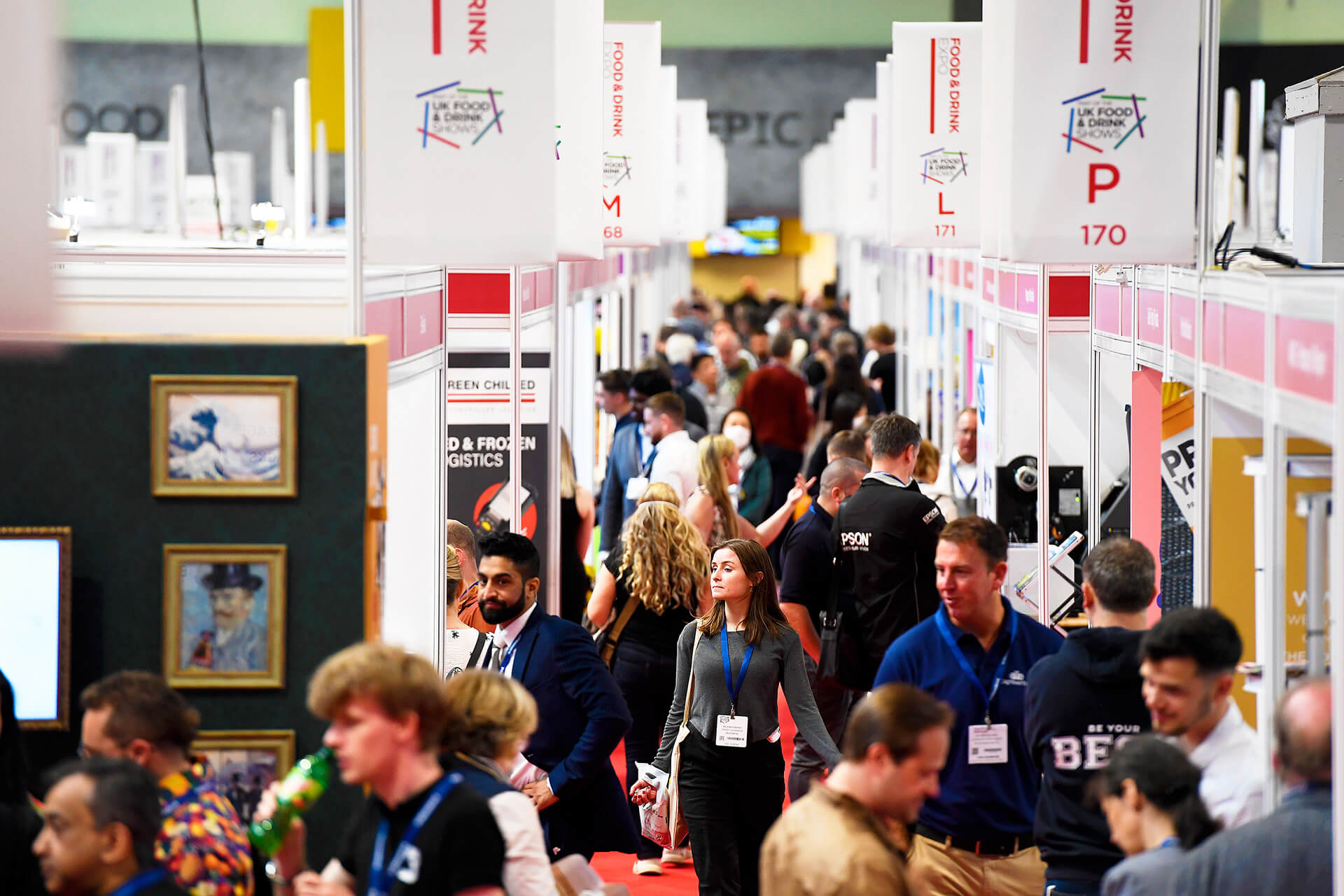
We had a fantastic (and busy!) week at the Food & Drink Expo at the NEC Birmingham, speaking with food producers, manufacturers, and hospitality leaders from across the UK. The challenges they face are clear – and so are the opportunities to reduce incorrect charges and operate more sustainably.
At Wodr, we’re focused on helping food and drink businesses cut costs and improve efficiency through smarter water management. Here’s what we learned, and how you can benefit.
Pressures Facing the Food & Drink Industry
Rising Utility Costs
Water bills have been quietly increasing year-on-year. Many businesses – particularly those with high usage like food manufacturers, caterers, and processors – are still on outdated or default water rates, leading to significant overspending.
Post-Pandemic Disruption
The pandemic forced many operators to pause, pivot, or shut down. In the rush to reopen, reviewing essential services like business water contracts often took a back seat; meaning many companies are still being overcharged.
Sustainability & Compliance
Sustainability is a growing priority for the sector. The WRAP Water Roadmap calls for 50% of UK fresh food to come from areas with sustainable water management by 2030, in line with UN Sustainable Development Goal 6. Optimising efficient water use is a key part of this.
Why Water Use Matters in the Food & Drink Sector
High Water Usage in Production
From washing produce to cleaning equipment and processing ingredients, the food and drink sector is one of the highest water users. Small changes in how you use water can lead to big savings.
Water in Packaging
As the industry shifts to sustainable packaging, many are overlooking the water footprint of packaging processes. By selecting materials and methods that require less water, businesses can lower both environmental impact and operational costs.
Cooling Systems & Equipment
Cooling and processing systems in breweries, dairies, and meat production use significant volumes of water. Upgrading to more efficient systems reduces both water consumption and energy bills.
Regulatory Compliance
Strict hygiene and environmental regulations demand efficient water use. Businesses that proactively manage their water consumption are better placed to stay compliant — and avoid costly penalties.
Water: The Overlooked Business Cost
Since the deregulation of the English water market in 2017, businesses, public sector organisations and charities have had the right to switch water suppliers – much like energy. But awareness remains low – particularly in the food and beverage industry where there are so many variables to consider.
That means thousands of businesses are still on default tariffs, overpaying and missing out on benefits like:
- Lower water rates
- Consolidated billing across multiple sites
- Access to water-saving audits and technology
- Better customer support and tailored solutions
How Wodr Can Help You Save
• Achieve financial savings by securing a more competitive retail fee and ensuring the correct tariffs are in place for your business.
• Access comprehensive reporting and monitoring, including consumption, Trade Effluent, and carbon reporting.
• Benefit from our vast network of retail suppliers, committed to reducing water consumption and improving efficiency.
• Enjoy dedicated support through our Account Management Model – with a named contact for all your needs.
• Tap into a range of technical support packages, including desktop and site audits, Trade Effluent reviews, and more.
Why Now?
Every April, wholesale water charges are reviewed and adjusted. This makes it the perfect time to review your water contract and assess your current rates.
If you haven’t yet reviewed your water supplier or costs this year, there’s still time – and Wodr are here to help!
Want to learn more about the latest price changes? Check out our latest blog here!
