
Agriculture’s Water Challenge Is Changing
Agricultural water management is no longer only about what a business needs today. It is increasingly about ensuring the operation has the resilience to meet its water requirements in the years ahead.
Water Resources East highlights changing rainfall patterns, more frequent drought conditions, increasing demand and the need to retain more water within the environment as important considerations for agricultural water planning. For farms dependent on irrigation and abstraction, this makes understanding future requirements particularly important.
For agricultural businesses, this raises a bigger question: do you have a water strategy that is fit for the future?
Is Efficiency The Answer For Agricultural Businesses?
Efficiency is part of the answer. Smarter irrigation, sensors, metering, monitoring and leak detection can help businesses understand consumption and make better use of the water available.
But resilience may also require looking beyond consumption. Rainwater harvesting, winter abstraction and reservoir storage, water reuse and shared water-resource solutions could all play a role, depending on the operation.
The Regulatory Picture Matters Too.
The Environment Agency’s guidance on GOV.UK sets out abstraction licensing requirements in England, while Natural Resources Wales, SEPA in Scotland and DAERA/NIEA in Northern Ireland oversee water abstraction within their respective nations. These frameworks reinforce the importance of understanding where water comes from, how it is used and the risks around future availability.
What Is Water Abstraction?
Water abstraction simply means taking water from a natural source for use by a business.
For example, a farm might abstract water from a river, stream, lake, spring or underground source such as a borehole, then use that water for crop irrigation, livestock, cleaning or other agricultural activities – rather than via the mains.
In England, abstraction is regulated by the Environment Agency, and in many circumstances taking more than 20 cubic metres (20,000 litres) per day requires an abstraction licence.
This is why water should increasingly be treated as a strategic business resource, rather than simply another utility bill.
A good water strategy starts with the fundamentals: what are you using, where is it coming from, what are you paying, and where are the risks, inefficiencies and opportunities?
How Can A Business Water Broker Add Value?
By bringing together water costs, consumption data, supply arrangements and longer-term requirements, a broker can help agricultural businesses build a clearer picture of their water position and identify opportunities to improve efficiency, manage costs and strengthen resilience.
The businesses that plan ahead will be better placed to respond as pressures on water evolve.
The question is no longer simply what your water costs today. It is whether you have a water strategy for tomorrow.

Why Agriculture Businesses Need a Smarter Water Strategy
Agriculture businesses are under growing pressure to manage water more efficiently, comply with environmental regulations, and prepare for long-term sustainability challenges. From irrigation and wastewater to pollution prevention and drought resilience, water management is now a core operational issue across the sector.
For many farms, food producers, horticulture businesses, and agricultural processors, understanding the legislation and sustainability expectations around water use has become essential — not only for compliance, but also for protecting profitability and future growth.
Why Water Management Matters In Agriculture
Water is one of the most critical resources in agriculture. However, increasing demand, climate pressures, rising costs, and tighter regulation mean businesses can no longer afford to take a reactive approach.
Many agriculture businesses are now facing:
- Increased scrutiny around water use and pollution.
- Higher utility and operational costs.
- Pressure from supply chains and retailers to improve sustainability.
- Greater risk from droughts, flooding, and water shortages.
- More complex environmental reporting requirements.
Businesses that proactively manage water use are often better positioned to reduce costs, improve resilience, strengthen compliance, and demonstrate environmental responsibility.
Key Water Legislation Agriculture Businesses Should Understand
Water Resources Act 1991
This legislation governs water abstraction — the process of taking water from rivers, lakes, or groundwater sources.
Agricultural businesses using large volumes of water for irrigation may require abstraction licences and must comply with restrictions during periods of drought or water stress.
Farming Rules for Water
These rules were introduced to reduce pollution from agriculture entering rivers and groundwater.
They focus on:
- Fertiliser and manure application.
- Soil management.
- Preventing runoff.
- Nutrient planning.
Many farms must demonstrate they are taking reasonable steps to prevent pollution and protect surrounding water environments.
Environmental Permitting Regulations
Certain agricultural activities involving waste, slurry, wastewater, or discharges may require environmental permits.
Non-compliance can lead to:
- Fines.
- Enforcement action.
- Reputational damage.
- Operational disruption.
Nitrate Vulnerable Zone (NVZ) Regulations
Businesses operating within NVZ areas must comply with restrictions on:
- Fertiliser application timing.
- Manure storage.
- Nutrient management.
These regulations are designed to reduce nitrate pollution in watercourses.
Environment Act 2021
The Environment Act introduced stronger environmental targets across water quality, biodiversity, and pollution reduction.
For agriculture businesses, this means sustainability expectations are likely to continue increasing over the coming years.
Sustainability Is Now A Commercial Issue In Agriculture
Water sustainability is no longer just about compliance. Increasingly, it is becoming a commercial requirement.
Major retailers, food manufacturers, investors, and supply chain partners are placing greater emphasis on:
- Water efficiency.
- Environmental reporting.
- ESG performance.
- Pollution prevention.
- Sustainable sourcing.
Agriculture businesses that can demonstrate responsible water management are often in a stronger position when securing contracts, funding, and long-term partnerships.
The Importance Of A Water Strategy In Agriculture
Many businesses still manage water reactively — only addressing issues when costs rise or regulations change. However, a clear water strategy can help businesses become more resilient and efficient.
An effective strategy may include:
- Water usage analysis and monitoring.
- Irrigation efficiency improvements.
- Leak detection and infrastructure reviews.
- Sustainability and ESG planning.
- Regulatory compliance support.
- Wastewater and drainage management.
- Cost reduction opportunities.
- Drought and flood resilience planning.
- Smart metering and reporting systems.
How Wodr Can Help
Wodr works with businesses to simplify utility management and support smarter long-term planning.
For agriculture businesses, this means more than simply reducing bills. It means building a practical strategy that supports operational efficiency, compliance, sustainability, and resilience.
Wodr can help by creating a tailored utility strategy that includes:
- Water procurement and cost management .
- Usage monitoring and reporting.
- Efficiency and sustainability planning.
- Support with environmental and regulatory considerations.
- Infrastructure and consumption reviews.
- Risk management and resilience planning.
- Ongoing account and supplier management.
As legislation tightens and sustainability expectations continue to grow, having the right support in place can help agriculture businesses stay compliant, reduce risk, and operate more efficiently for the future.
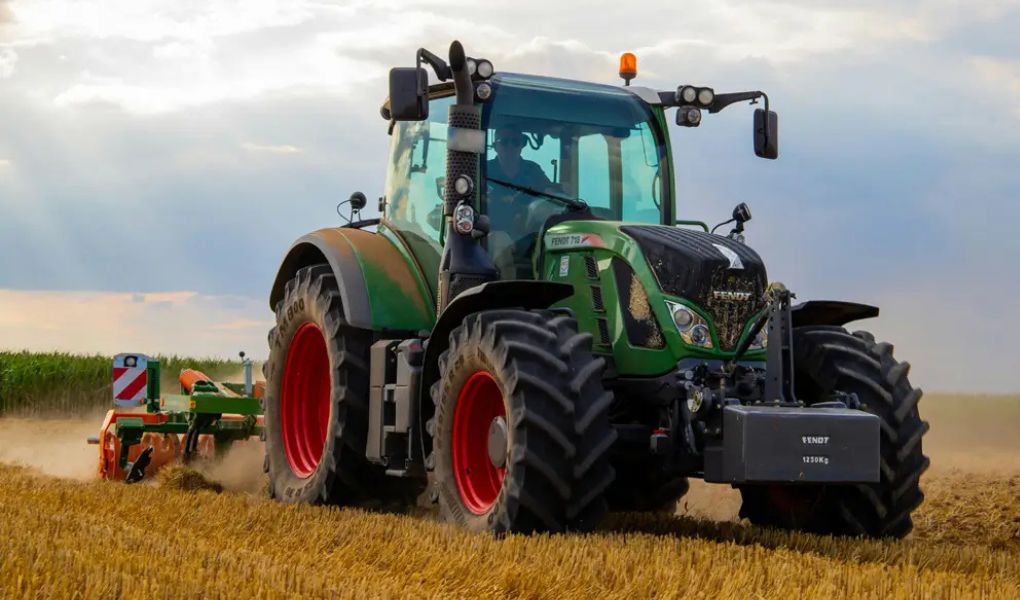
Water Usage in the UK Agricultural Industry
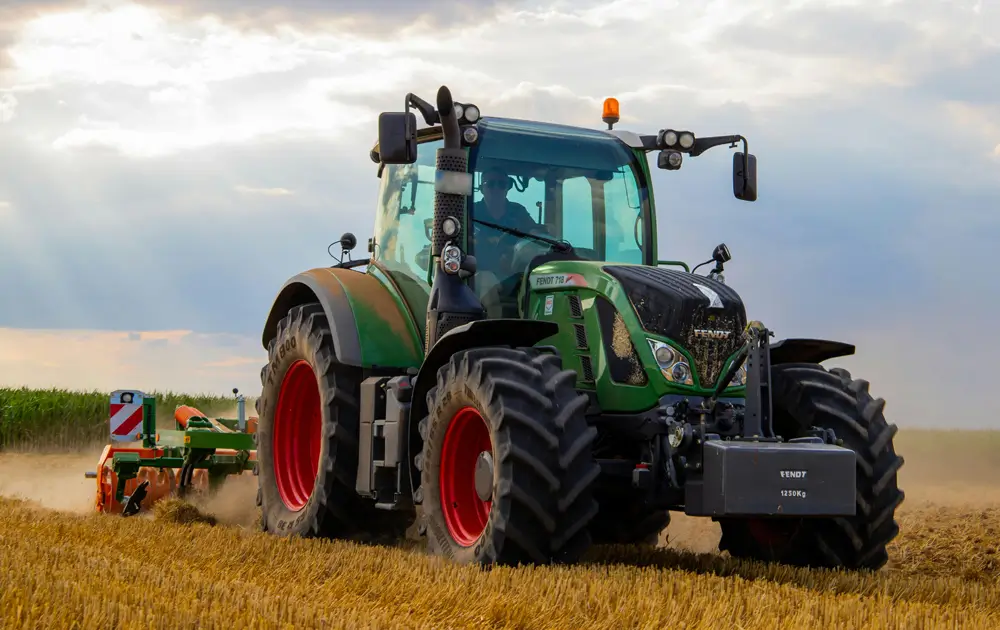
What Happened in 2023 and What’s Coming in 2024
Water is a vital resource for agriculture, and its management has become increasingly critical in the UK. As we look back at 2023, it’s clear that water usage in the agricultural sector has been significantly impacted by climate change and evolving regulations.
2023: A Year of Rising Demands and Innovative Solutions
- Climate Change Intensifies Water Scarcity: The UK experienced hotter, drier summers in 2023, leading to increased water demands for irrigation, particularly in the South East and East. The Environment Agency reported a slight uptick in agricultural water usage, reaching around 200 million cubic meters.
- Regional Disparities in Water Consumption: While some regions, like the South East and East, faced severe water shortages, others, such as the North and West, benefited from more consistent rainfall. This highlighted the uneven distribution of water resources across the UK.
- Adoption of Water-Saving Technologies: Farmers responded to the challenges by embracing innovative water-saving technologies. Drip irrigation, soil moisture sensors, and rainwater harvesting systems became more common as they sought to reduce water waste and improve efficiency. Government incentives played a crucial role in promoting sustainable farming practices.
- Stricter Water Regulations: The Environment Agency introduced tougher controls on water abstraction to address water scarcity, particularly in vulnerable areas. Farmers were required to demonstrate sustainable water use practices and invest in efficient technologies.
Looking Ahead to 2024: What’s on the Horizon?
- Continued Climate Pressure: The trend of warmer, drier summers is expected to persist, further intensifying water demand for agriculture. Farmers will need to adapt their practices and invest in advanced technologies to cope with these challenges.
- Tightening Regulations: The UK government is likely to introduce even stricter regulations to improve water efficiency in agriculture. This may include further restrictions on water abstraction and incentives for adopting innovative technologies.
- Technological Advancements: AI-driven irrigation systems and other advanced technologies are expected to become more prevalent in 2024. These innovations can optimize water usage, enhance efficiency, and improve resilience to climate change.
- Economic Pressures and Rising Costs: The rising cost of energy and the need to comply with stricter regulations may increase operational costs for farmers. However, investing in sustainable practices can help mitigate these challenges.
- Growing Consumer Demand for Sustainability: Consumers are increasingly aware of the environmental impact of their food choices. This may lead to increased demand for sustainably produced food, driving the need for water-efficient farming practices.
Conclusion
The UK’s agricultural industry faces significant challenges related to water usage. By embracing innovative technologies, complying with regulations, and meeting consumer demands for sustainability, farmers can ensure a resilient and sustainable future for the sector.
