
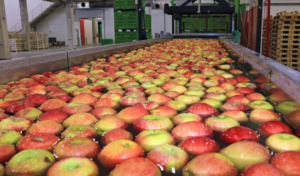
Water is one of the most essential ingredients in food and beverage manufacturing—but it’s also one of the most overlooked costs.
From washing raw ingredients to cooling machinery and maintaining hygiene standards, water touches every stage of production. Yet many businesses only see it as a basic utility bill, rather than a strategic cost driver. The reality? Water carries a range of hidden expenses that can significantly impact profitability, efficiency, and sustainability.
Let’s uncover what those hidden costs really are—and how food producers can take control.
1. Water Isn’t Just an Ingredient—It’s Everywhere.
In food production, water plays multiple roles:
- Cleaning and sanitising equipment.
- Cooking, cooling, and processing.
- Acting as a direct ingredient in products.
- Supporting steam systems and refrigeration.
Because of this, the food and beverage sector is one of the highest industrial users of water. Even more striking is the “water footprint” behind products. For example, according to Castle Water:
- Around 200 litres of water to produce a 1 chicken egg.
- Around 950 litres of water to produce a single loaf of bread.
- Around 5,500 litres of water to produce a block of butter.
That’s a lot of water for a quick breakfast (and we’ve not even included your cup of tea!).
These figures highlight how water costs extend far beyond what appears on a monthly bill.
2. The Cost of Waste and Inefficiency.
One of the biggest hidden expenses is water waste. In many facilities, large volumes of water are:
- Lost through leaks or inefficient systems.
- Discharged after single use.
- Wasted during cleaning cycles or steam loss.
Any water that isn’t reused or incorporated into the product becomes waste—often requiring treatment and disposal. This creates a double cost: paying for the water itself and paying again to dispose of it. Without proper monitoring, these losses can quietly drain thousands from operational budgets each year.
3. Rising Water Prices and Tariff Issues.
Water costs in the UK have been steadily increasing, placing additional pressure on manufacturers already dealing with tight margins.
However, a major hidden issue isn’t just rising prices—it’s incorrect tariffs and outdated contracts.
Since the deregulation of the English water market in 2017, businesses can switch suppliers. Yet many food producers:
- Remain on default tariffs.
- Haven’t reviewed contracts in years.
- Are unknowingly overpaying.
This lack of awareness means businesses could be missing out on significant savings, sometimes up to 30% on water bills through better procurement and management.
4. Compliance and Regulatory Costs.
Food production is a highly regulated industry, especially when it comes to water quality and wastewater disposal.
Manufacturers must:
- Meet strict hygiene and safety standards.
- Ensure water quality for product consistency.
- Manage wastewater discharge responsibly.
Failing to meet these requirements can result in:
- Fines and penalties.
- Production downtime.
- Reputational damage.
Water management, therefore, isn’t optional—it’s a compliance necessity that comes with both direct and indirect costs.
5. Equipment Damage and Operational Downtime.
Poor water quality can have a serious impact on equipment:
- Scale build-up in pipes and boilers.
- Corrosion of machinery.
- Reduced efficiency of heating and cooling systems.
Over time, this leads to:
- Increased maintenance costs.
- Unexpected downtime.
- Shortened equipment lifespan.
Inconsistent water quality can even affect the taste, safety, and shelf life of products, adding another layer of financial risk.
6. The Sustainability Cost.
Sustainability is no longer a “nice to have”—it’s a business requirement.
Food manufacturers are under growing pressure to:
- Reduce water consumption.
- Lower environmental impact.
- Align with sustainability targets and regulations.
Water waste and inefficient usage not only increase costs but also impact a company’s environmental footprint. This can affect:
- Brand reputation.
- Investor confidence.
- Supply chain partnerships.
Efficient water management is now directly tied to long-term business resilience.
7. The Opportunity: Turning Water into a Strategic Asset.
The good news? These hidden costs also represent a major opportunity.
By taking a proactive approach, food manufacturers can:
- Conduct water audits to identify inefficiencies.
- Install smart meters for real-time monitoring.
- Upgrade to water-efficient equipment.
- Review and switch water suppliers.
- Implement reuse and recycling systems.
Small operational changes can lead to significant savings—both financially and environmentally.
Water is no longer just a background utility in food production—it’s a critical cost centre with wide-reaching implications.
The businesses that succeed in today’s environment are those that:
Understand their true water usage, identify hidden inefficiencies and take control of procurement and management.
By treating water as a strategic resource rather than a fixed expense, food manufacturers can unlock savings, improve sustainability, and gain a competitive edge.
If you want to hear how we can turn water into a smart strategy rather than an afterthought, get in touch with our experts today.